2026 Best ASTM A106 Pipe Suppliers for Global Buyers
Choosing the right Astm A106 Pipe supplier requires more than comparing prices on a spreadsheet. This guide examines manufacturers and distributors serving global buyers in 2026. It focuses on technical compliance, production experience, inspection discipline, and export reliability. ASTM A106 covers seamless carbon steel pipe for high-temperature service. Grade B is widely requested, while Grades A and C may suit specific engineering conditions. Each supplier should be assessed against the project specification, not a general product label.
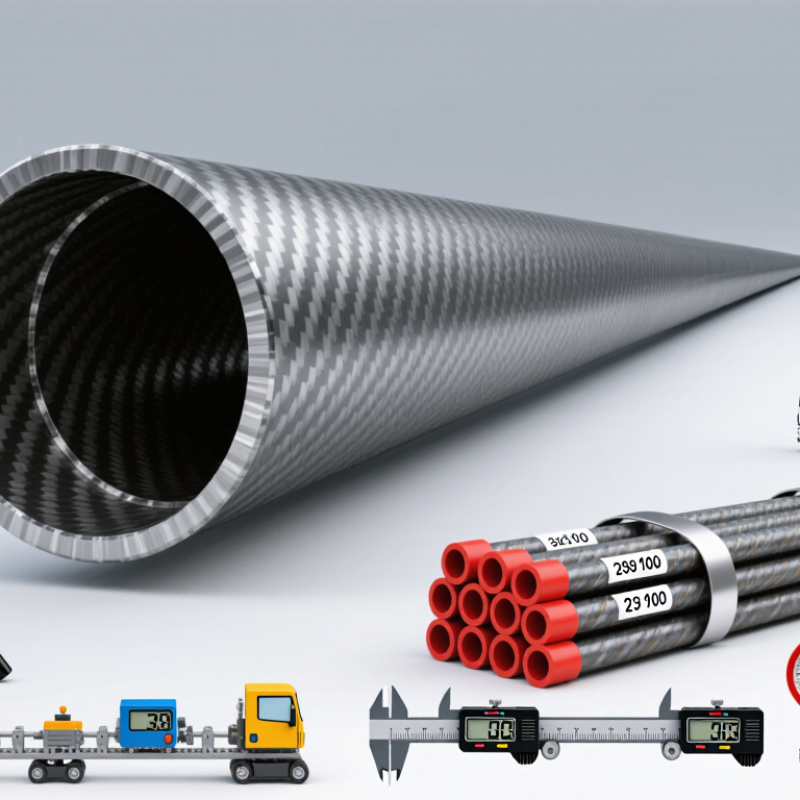
The review considers mill certificates, heat numbers, chemical analysis, tensile results, hydrostatic testing, and dimensional control. Traceability matters when pipes arrive in bundles at a busy fabrication yard. So does packaging. End caps, steel strapping, and clear marking can prevent costly confusion during unloading. Experienced suppliers should explain manufacturing limits, available sizes, schedules, coatings, and delivery terms without hiding behind vague claims. Third-party inspection can add confidence, but it does not replace careful document review.
No supplier is perfect.
A low quotation may exclude testing, export packing, or realistic freight costs. Delivery promises can also change when raw material availability shifts. This introduction therefore treats supplier selection as a risk assessment, not a popularity contest. Information should be verified against current certificates, production records, and buyer references. Some conclusions may need revision as factories expand, standards change, or shipping routes become less predictable. That honesty is useful. Global buyers need dependable evidence, practical comparisons, and enough technical detail to make a defensible purchasing decision.
What ASTM A106 Pipe Is and Where It Is Used
ASTM A106 pipe is a seamless carbon steel pipe designed for high-temperature service. It commonly carries steam, water, gas, and refined hydrocarbons. Grades A, B, and C differ mainly in strength and chemical composition. Grade B is widely selected for general process piping.
Its typical locations include power stations, refineries, boiler rooms, and petrochemical plants. A small pipe may feed a pressure-control valve, while larger lines can run beside hot process equipment.
The IEA’s Oil 2024 report projects global oil demand to reach 105.4 million barrels per day by 2030. This continued processing activity supports demand for reliable high-temperature piping. The Energy Institute Statistical Review 2024 also recorded strong global natural gas use in 2023, reinforcing the need for durable gas and steam systems.
Specification alone is not enough. Buyers should check the mill test certificate, heat number, chemical analysis, tensile results, dimensions, and hydrostatic or nondestructive testing records.
ASTM A106 does not automatically suit corrosive fluids, sour service, or every pressure class. That part is often underestimated. Design temperature, wall-thickness allowance, welding procedures, and local pressure rules still matter.
A practical mistake is treating “seamless” as proof of perfect quality. Manufacturing controls and traceability remain critical, especially when pipes arrive for projects thousands of miles away.
How to Evaluate ASTM A106 Pipe Suppliers in 2026
In 2026, evaluating ASTM A106 pipe suppliers requires more than comparing prices. A reliable supplier should explain its manufacturing route, inspection controls, and traceability system clearly. Ask whether each pipe carries a heat number linked to raw material records. Request recent material test certificates, not recycled samples. Check chemical composition, tensile strength, yield strength, elongation, and hydrostatic testing results against the specified ASTM requirements.
Production experience becomes visible in small details. Experienced suppliers can discuss wall-thickness tolerances, end preparation, straightness, and surface defects without vague promises. They should also provide dimensional inspection reports for actual production lots. For critical applications, confirm available non-destructive testing, including ultrasonic or magnetic examination where applicable. A documented quality system matters, but certificates alone are not enough. Review their latest audit findings and corrective-action records.
Delivery reliability deserves equal attention. Compare realistic lead times, packing methods, export documents, and responses to specification changes. Ask how pipes are protected from moisture, impact, and mixed heat numbers during shipment. A supplier that answers slowly before receiving an order may create larger delays afterward. I have seen buyers focus heavily on unit cost and overlook inspection coordination, which later caused expensive rework. That approach needs reconsideration. Independent inspection can add cost, but it may expose incomplete testing or inconsistent dimensions before loading. Request references for similar pipe sizes, schedules, quantities, and destinations. Specific evidence is more useful than polished claims.
Supplier Regions, Certifications, and Export Capabilities
For global buyers, ASTM A106 pipe suppliers are concentrated in East Asia, South Asia, Turkey, Europe, and the Gulf region. Each area offers different advantages. East Asian mills often provide broad size ranges and competitive production capacity. South Asian suppliers may support custom lengths, heavy-wall pipe, and smaller project lots. European and Turkish sources can offer strong traceability and convenient access to regional transport networks. Gulf-based suppliers may reduce delivery time for Middle Eastern projects.
Certification review Certification review should go beyond a logo on a website. Ask for current ISO 9001 records, material test certificates, heat numbers, and inspection reports. ASTM A106 Grade B should match the purchase specification, including chemistry, tensile strength, hydrostatic testing, and dimensional tolerances. For pressure-service projects, buyers may also require third-party inspection or EN 10204 3.1 documentation. Check the issuing body.
Export capability Export capability is equally practical. Experienced suppliers should explain port options, packing methods, customs documents, and lead times before signing. Wooden supports, end caps, and rust protection matter during long sea voyages. Suppliers with export records can usually provide bills of lading, certificates of origin, commercial invoices, and packing lists without confusion. Still, records can be incomplete. I have seen technically strong offers fail because the heat numbers did not match the final documents. Independent verification remains worthwhile, especially for large orders or unfamiliar regions.