
Search

7 Best Double Eccentric Butterfly Valve Manufacturers

Choosing the right butterfly valve manufacturer can affect plant safety, maintenance costs, and long-term flow control. This guide examines seven leading Double Eccentic butterfly valve manufacturers for industrial applications. The selection focuses on engineering capability, manufacturing consistency, product range, and documented field experience.

A reliable manufacturer should provide clear pressure ratings, body and disc material options, seat specifications, and tested performance data. These details matter in water treatment plants, chemical facilities, power stations, and oil processing systems. We also consider certifications, quality-control procedures, delivery support, and technical service after installation. A strong supplier does more than sell valves. It helps engineers match the valve to temperature, media, pipeline size, and operating frequency.

Real projects are rarely perfect. Some manufacturers may have excellent products but limited regional support. Others may offer competitive pricing while providing less transparent documentation. That difference deserves attention. Product brochures can look impressive, yet field performance depends on installation, actuator selection, maintenance, and operating conditions. This review therefore avoids judging manufacturers by brand visibility alone. It compares practical strengths and possible limitations, using information that engineers, purchasing teams, and plant managers can verify. The final list should serve as a useful starting point, not an absolute verdict. Always confirm current certifications, test reports, warranty terms, and local compliance requirements before placing an order. Small details matter.
7 Best Double Eccentric Butterfly Valve Manufacturers

What Is a Double Eccentric Butterfly Valve?

What Is a Double Eccentric Butterfly Valve?

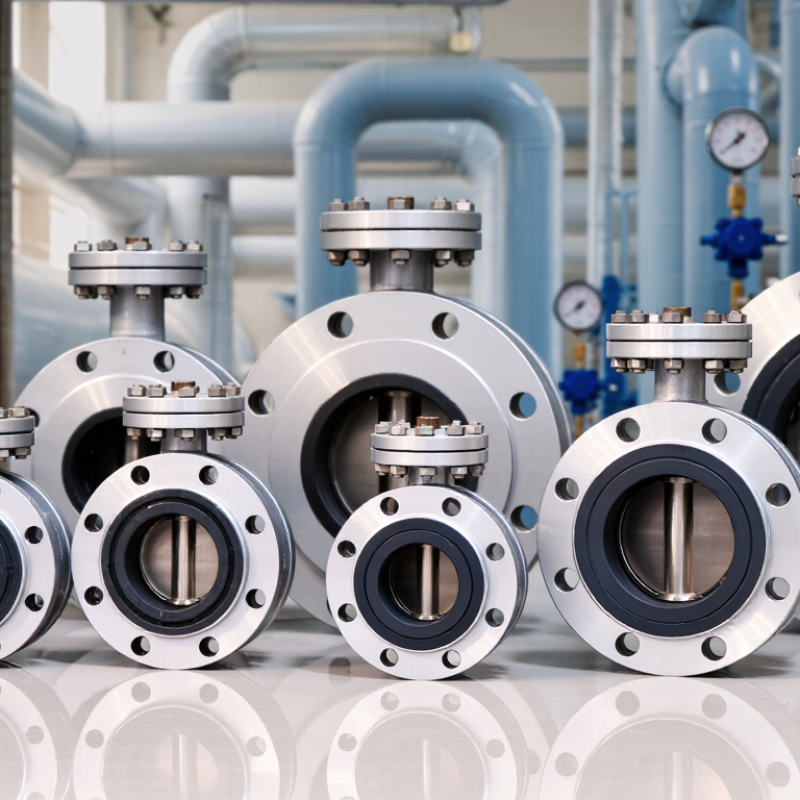
A double eccentric butterfly valve has two deliberate shaft offsets. The shaft sits behind the disc centerline and away from the pipe centerline. This geometry reduces disc-to-seat contact during opening. It also lowers friction and operating torque. The sealing action becomes stronger near the closed position. That matters in water, wastewater, cooling systems, and moderate-pressure process lines. The valve usually uses a resilient or metal seat, depending on temperature, pressure, and fluid conditions.

The design is covered by widely used standards, including API 609 and EN 593. ISO 5752 also defines important face-to-face dimensions for many industrial valves. A 2024 Grand View Research report places the global industrial valves market in the tens of billions of dollars and forecasts mid-single-digit annual growth. That expansion reflects continuing investment in water infrastructure, energy, and process plants. However, market growth does not guarantee correct valve selection. A 2023 report from the International Energy Agency identifies rising water and energy efficiency demands across industrial systems. Double eccentric valves can support those goals, but only when pressure class, seat material, flow velocity, and actuator sizing match actual service conditions.

Field technicians often inspect the seat edge after repeated cycling. Small alignment errors can create uneven wear. The design is efficient, not invincible.

A clean specification may still fail when installation debris, pipe stress, or poor torque settings are ignored. Expect some compromise. Metal seats improve temperature tolerance, while softer seats often provide tighter low-pressure shutoff.

Criteria for Evaluating the Seven Manufacturers

7 Best Double Eccentric Butterfly Valve Manufacturers

When evaluating seven double eccentric butterfly valve manufacturers, begin with proven field experience. Ask how many years they have supplied valves for water, chemical, energy, or process pipelines. Request project references with similar pressure, temperature, and media conditions. A polished catalogue is not enough. Inspect manufacturing records, material traceability, and inspection procedures. Reliable suppliers can explain body materials, disc coatings, seat design, and shaft construction without vague claims.

Technical capability deserves close attention. Compare pressure ratings, leakage performance, operating torque, and available sizes. Check whether each manufacturer performs hydrostatic, pneumatic, and functional testing before shipment. Ask for test reports, calibration records, and certificates from recognized independent laboratories when appropriate. Engineering support also matters. Can the team review flow data and actuator sizing? Can it identify cavitation risks? These details often separate practical expertise from sales language. I would still question impressive promises. Real projects contain failures, delays, and design changes.

Tips: Compare identical specifications before comparing prices. Confirm lead times in writing. Review warranty exclusions carefully. Examine how quickly technical questions receive clear answers. A factory visit can reveal storage conditions, machining quality, and final assembly discipline. Pay attention to small details, such as clean flange faces and protected sealing surfaces. They may indicate stronger quality habits. Do not ignore after-sales support; replacement parts and troubleshooting guidance can reduce costly downtime.

7 Best Double Eccentric Butterfly Valve Manufacturers: Criteria for Evaluating the Seven Manufacturers

This chart presents a neutral 100-point evaluation framework for comparing seven double eccentric butterfly valve manufacturers without displaying company or brand data. The criteria reflect commonly used procurement considerations, including applicable standards, pressure performance, materials, testing, lifecycle value, delivery capability, and technical support.

Seven Leading Double Eccentric Butterfly Valve Manufacturers

The seven leading double eccentric butterfly valve manufacturers distinguish themselves through engineering depth, testing discipline, and field experience. Their valves are designed to reduce seat contact during opening, which can lower operating torque and wear. Experienced manufacturers usually provide pressure ratings, material certificates, and documented inspection records. These details matter in water treatment, power generation, and process piping.

One leading group focuses on corrosion-resistant bodies and stainless-steel discs. Another specializes in large-diameter valves for cooling-water systems. A third develops fire-safe designs for demanding industrial service. The fourth emphasizes automated machining and repeatable assembly. The fifth offers resilient seats for moderate-temperature applications. The sixth supports severe-service projects with metal-seated options. The seventh invests in actuator integration, testing valve movement before shipment.

A reliable supplier should explain every design choice clearly. Ask how the seat performs after repeated cycling. Request torque data, leakage results, and coating specifications. Factory acceptance testing can reveal alignment problems early. However, published figures are not always enough. Site conditions may include suspended solids, temperature changes, or poor pipe support. I have seen technically impressive valves perform poorly when installation was overlooked. That weakness deserves attention. Buyers should compare maintenance access, spare-part availability, and technical support before approving a purchase. A strong manufacturer does not promise perfection. It identifies operating limits and records them honestly.

Comparing Designs, Materials, and Performance

7 Best Double Eccentric Butterfly Valve Manufacturers

Comparing seven leading manufacturers requires more than reading pressure ratings. A double eccentric design moves the disc away from the seat during opening. This reduces rubbing, lowers operating torque, and can extend sealing life. Wafer bodies suit compact piping, while lug and flanged bodies support maintenance flexibility. The flange choice matters in crowded pump rooms.

Material selection changes real performance. Ductile iron keeps costs controlled for general water service. Carbon steel handles stronger mechanical demands but needs suitable corrosion protection. Stainless steel performs better in aggressive environments. Duplex alloys can offer higher resistance, though their price and machining requirements deserve scrutiny. Seat materials also matter. EPDM suits many water applications, while PTFE handles different chemical and temperature conditions. Metal seats may tolerate heat, but they often require closer manufacturing control.

Performance claims should be checked against testing records, not brochures alone. I would review API 609, EN 593, or equivalent test evidence. Ask for leakage results, cycle testing, torque curves, and material certificates. A small disc misalignment can create uneven seat wear. That detail is easy to miss. Actuator sizing should include startup torque, pressure differential, and possible sediment buildup. In field inspections, I have found that a smooth handwheel does not always indicate reliable sealing. Installation quality, pipeline stress, and incorrect bolt tightening can weaken an excellent valve. The “best” manufacturer may change with temperature, fluid chemistry, maintenance access, and expected cycling frequency.

How to Select the Right Manufacturer for Your Application

How to Select the Right Manufacturer for Your Application

Selecting among the 7 best double eccentric butterfly valve manufacturers requires more than comparing prices. Start with the operating conditions. Confirm the medium, pressure class, temperature range, pipe size, and expected cycling frequency. A valve for treated water may fail quickly in abrasive slurry service.

Ask each manufacturer for material certificates, pressure-test records, torque calculations, and applicable quality documentation. The disc, seat, shaft, and body must suit the fluid chemistry. Check whether the actuator can provide enough closing force under maximum differential pressure. Small calculation errors can cause serious operating problems.

I have found that factory experience matters during unusual applications. Request drawings, inspection procedures, spare-parts guidance, and realistic delivery times. A reliable manufacturer should explain limitations instead of promising universal compatibility. Review leakage performance, coating quality, and maintenance access before approval. Site support also matters when installation conditions are cramped or contaminated.

Do not judge quality from a polished catalog. I once focused too heavily on unit price and overlooked actuator response time. That decision created avoidable commissioning work. Visit the production facility when possible. Observe machining, assembly control, and final testing. Speak with engineers who understand your process, not only sales staff. A trial valve, witnessed test, or reference project can reveal practical weaknesses before a full purchase.

7 Best Double Eccentric Butterfly Valve Manufacturers - How to Select the Right Manufacturer for Your Application
No. Selection Dimension Recommended Technical Benchmark Why It Matters Questions to Ask the Manufacturer
1 Design Standard API 609 Category B or EN 593 These standards define key requirements for butterfly-valve design, dimensions, pressure-temperature ratings, testing, and performance. Which design standard is used, and can the manufacturer provide the latest design and compliance documentation?
2 Pressure and Size Range Common configurations include DN50–DN2000 and PN10–PN40 or ASME Class 150–300 The available size and pressure range must match the pipeline, operating pressure, flange dimensions, and system expansion requirements. What are the maximum nominal size, pressure class, face-to-face dimensions, and allowable operating temperature?
3 Pressure Testing Testing according to API 598 or ISO 5208 Standardized shell and seat tests help verify pressure integrity and shut-off performance before shipment. Are shell, seat, functional, and optional fugitive-emission tests included in the inspection and test plan?
4 Materials and Corrosion Resistance Ductile iron, carbon steel, stainless steel, or duplex stainless steel selected according to the medium Valve-body, disc, shaft, and seat materials must withstand corrosion, erosion, temperature, and chemical compatibility requirements. Can the manufacturer provide material certificates, corrosion-resistance data, coating specifications, and trim options?
5 Sealing Performance Resilient or metal seat options with a stated leakage class and test method Double eccentric geometry reduces rubbing between the disc and seat, while the selected seat design determines shut-off reliability and service life. What leakage rate is guaranteed, which seat materials are available, and how is seat wear or replacement managed?
6 Actuation and Automation ISO 5211-compatible mounting with manual, pneumatic, electric, or hydraulic actuation Correct actuator sizing is essential for breakaway torque, operating speed, emergency operation, and integration with the control system. Will the supplier provide torque calculations, actuator sizing, position feedback, solenoid valves, and fail-safe options?
7 Quality, Service, and Documentation Documented quality system, traceability, inspection records, spare-parts support, and lifecycle service Reliable documentation and after-sales support reduce installation delays, simplify audits, and improve long-term maintenance planning. Can the manufacturer supply drawings, certificates, inspection reports, operating manuals, spare-part lists, and warranty terms?

Article Source: