China Top Above Ground Water Storage Tanks Advantages and Applications?
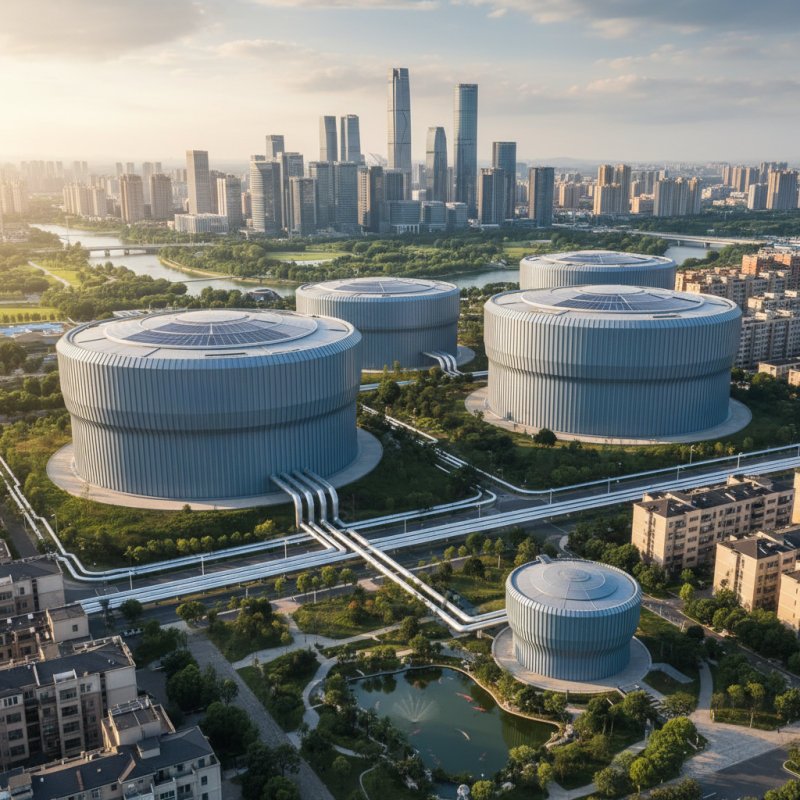
Above ground water storage tanks play a crucial role in modern water management. They offer numerous advantages for various applications, particularly in urban areas. These tanks provide reliable storage solutions for drinking water, irrigation, and fire protection. Their elevation simplifies access, allowing for gravity-fed water distribution.
Constructing above ground water storage tanks can be more efficient than underground options. They are generally easier to install and maintain. Additionally, these tanks can be moved or expanded as needed. Some may argue about their aesthetic impact on landscapes, but design advancements have mitigated these concerns. Nonetheless, effective planning is essential to maximize their potential.
Moreover, the use of above ground water storage tanks promotes sustainability. They can integrate renewable energy solutions for water treatment. As the demand for water continues to rise, these tanks remain a practical choice. However, careful consideration is necessary to ensure they meet local regulations and environmental standards.
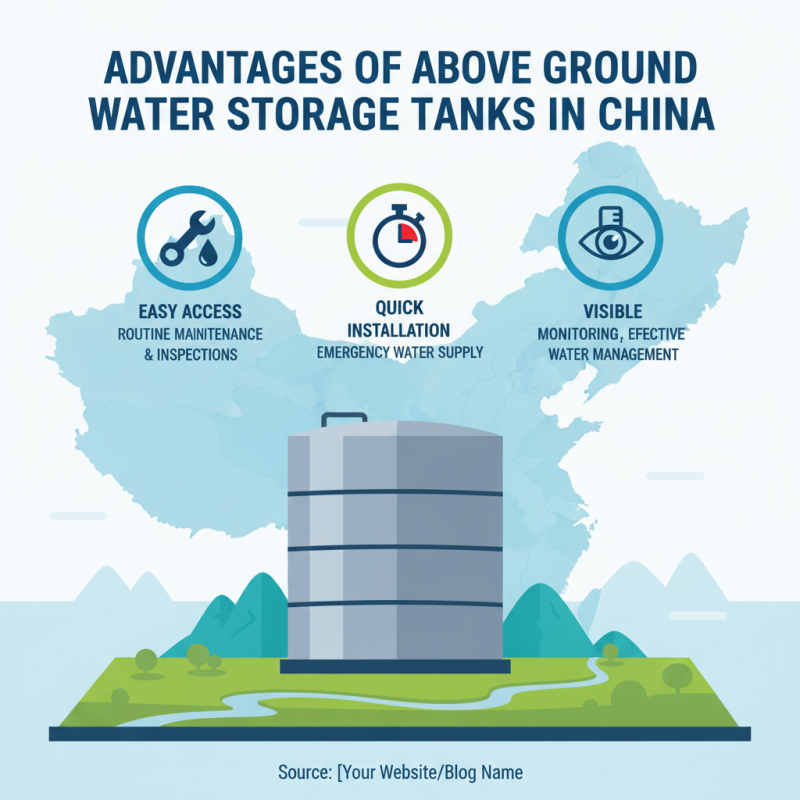
Advantages of Above Ground Water Storage Tanks in China
Above ground water storage tanks offer several key advantages in China's diverse landscapes. These tanks are easily accessible, facilitating routine maintenance and inspections. They can be installed quickly, making them a preferred choice for emergency water supply. Moreover, their visibility allows for better monitoring of water levels, ensuring that resources are managed effectively.
In urban areas, above ground tanks simplify the distribution of water to high-rise buildings. This is crucial in cities where underground solutions may be impractical. Additionally, they can be constructed from various materials, allowing for flexibility in design and functionality. However, one needs to consider aesthetic aspects, as poorly designed tanks may disrupt local scenery.
Despite their advantages, challenges exist. The need for regular upkeep is essential to prevent contamination. Weather conditions can also impact tank integrity, necessitating robust design strategies. Awareness of these intricacies is crucial for effective implementation.
Key Features of Above Ground Water Storage Tanks
Above ground water storage tanks offer several key features that enhance their utility. These tanks are designed to withstand environmental elements. Their materials are corrosion-resistant, which extends their lifespan. Users can find tanks in various sizes to meet different needs. This versatility makes them suitable for both residential and commercial applications.
The installation of these tanks is straightforward. They often do not require extensive groundwork. This minimizes disruption to the surrounding area. Many tanks also come with built-in inspection ports. These ports facilitate easy maintenance and monitoring. Regular checks can prevent issues from escalating. It is advisable to establish a routine for these inspections.
*Tips: Always choose a tank that fits your site conditions. Consider potential weather impacts when selecting a location. Regularly check for any visible signs of wear or damage.* Keeping the tank clean is essential. Debris accumulation can lead to contamination. Ensure you have a proper filtration system in place.
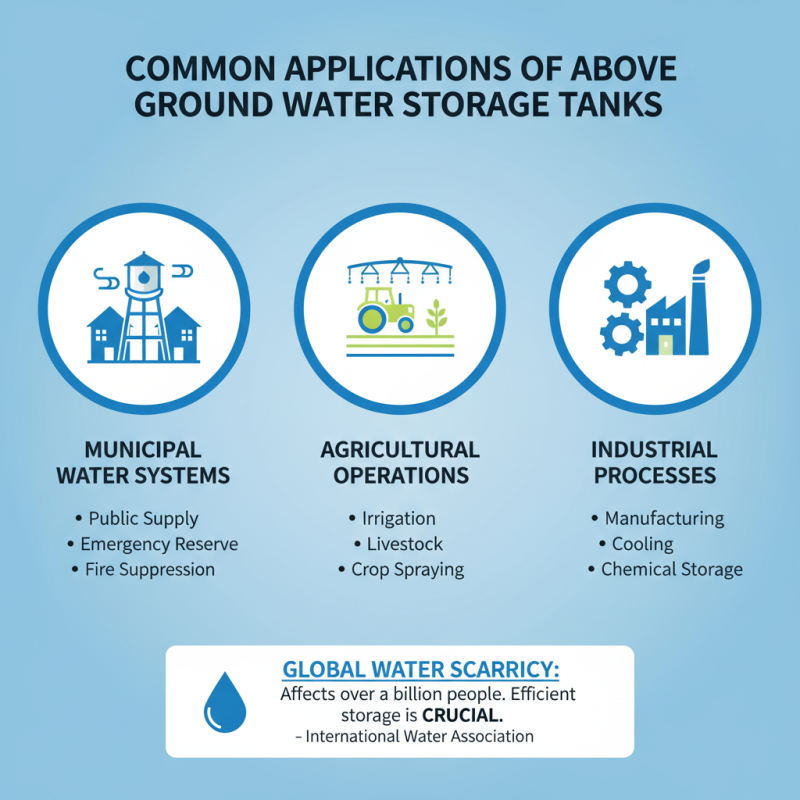
Common Applications of Above Ground Water Storage Tanks
Above ground water storage tanks serve various essential functions across multiple sectors. These tanks are crucial for municipal water systems, agricultural operations, and industrial processes. According to a report by the International Water Association, water scarcity affects over one billion people globally. As a result, efficient water storage solutions have gained prominence.
In agriculture, these tanks provide a reliable water supply for irrigation. This irrigation method can improve crop yield by up to 20%, as reported by the Food and Agriculture Organization. Moreover, above ground water storage tanks offer flexibility in placement. They can be easily installed in varied terrains, making them a popular choice for farmers and land developers.
For industrial applications, above ground tanks facilitate easy access to water. Facilities can respond swiftly to operational demands. However, their maintenance remains a challenge. Issues such as algae growth or sediment accumulation can compromise water quality. Regular monitoring and cleaning are essential but can be overlooked. Striking a balance between accessibility and upkeep is critical for long-term effectiveness.
Materials and Technologies Used in Construction
When discussing the materials and technologies used in the construction of above-ground water storage tanks in China, several key factors emerge.
Steel, concrete, and plastic are the predominant materials.
Steel tanks provide strength and durability. According to a recent industry report, these tanks can last over 30 years if properly maintained.
Concrete tanks, often used for larger projects, offer excellent waterproofing properties. However, they can be more costly and time-consuming to install.
Plastic tanks, while lightweight and cost-effective, have limitations in high-temperature environments. They are ideal for smaller applications.
The choice of material often relies on the specific needs of the project. Advanced technologies, such as automated welding for steel tanks, enhance reliability and performance.
Installation techniques also vary. Some experts emphasize the need for rigorous inspection processes during construction.
A flawed installation can lead to significant long-term issues, such as leaks. This highlights the importance of skilled labor and
quality control measures in ensuring the tanks' longevity and reliability.
Investing in better training for workers can address this challenge. Enhancing the construction standards will improve tank performance, ultimately ensuring that water resources are stored safely and effectively for future use.
Environmental Impact and Sustainability Considerations
Above ground water storage tanks have become increasingly popular in China. They serve various purposes, from agricultural use to emergency water supply. However, their environmental impact and sustainability are crucial topics that deserve attention. The materials used in constructing these tanks can influence water quality. Selecting high-quality, non-toxic materials is essential to prevent contamination.
Another consideration is the energy used in production and installation. Assessing the carbon footprint of these tanks can provide insights into their overall environmental impact. Improperly managed tanks may lead to leaks and water loss. Regular maintenance is necessary to ensure efficiency and sustainability.
Tips: When choosing a tank, examine the manufacturing process. Opt for designs that promote rainwater harvesting. These designs support conservation efforts. Always prioritize tanks with a clear sustainability plan and responsible sourcing.