Top American Standard Sockets and Switches for Global Buyers?
In today's global market, the demand for high-quality American Standard Sockets and Switches is on the rise. Expert Robert Taylor, a recognized authority in electrical engineering, notes, “The durability and design of American Standard Sockets and Switches make them vital for modern infrastructures.” This statement highlights their significance in ensuring both safety and reliability across various applications.
American Standard Sockets and Switches are engineered to meet rigorous standards. Each product offers a blend of functionality and aesthetic appeal. With various designs, these sockets and switches cater to diverse consumer tastes while maintaining their core operational excellence.
Despite their popularity, some buyers may overlook compatibility issues in different regions. It's essential to consider specific requirements that may vary globally. Additionally, with the shift towards smart home technology, understanding the complete range of offerings becomes crucial. Evaluating these factors ensures informed choices when selecting American Standard Sockets and Switches.
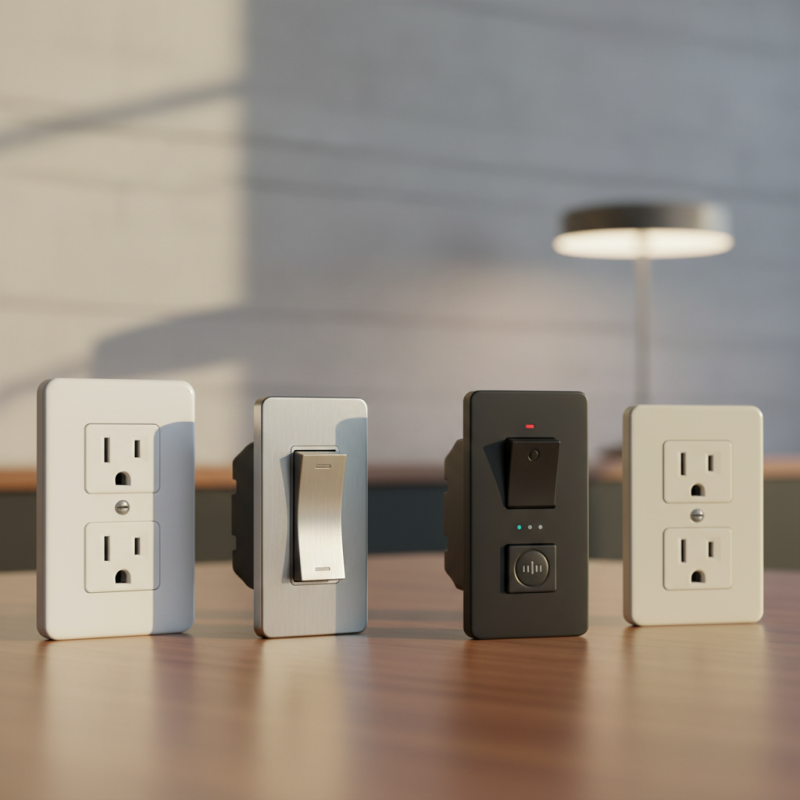
Top American Standard Sockets: Overview and Key Features
American standard sockets are designed with safety and convenience in mind. They typically feature a three-prong system, enhancing grounding and minimizing electrical hazards. These sockets often include child safety shutters, preventing accidental contact with live parts. Many models also support a variety of voltage levels, making them suitable for global use.
Switches that accompany these sockets come with different toggle designs. Some offer illuminated options for easy visibility in dark environments. Quality materials ensure durability, protecting them from wear over time. However, the aesthetics might not appeal to everyone. Choices could be limited in certain markets, prompting consideration of local designs.
Buyers should also reflect on installation practices. Improper installation can lead to malfunctions. It’s vital to consult with a qualified electrician for installation. Regular maintenance is just as crucial, ensuring continued safety and efficiency. Understanding these aspects is key to an effective electrical setup. Whether for home or office use, knowledge of these features is essential.
Comparison of Socket Types: NEMA Standards and Applications
Understanding socket types is essential for global buyers. Different regions have various standards. The National Electrical Manufacturers Association (NEMA) specifies many of these socket types. Knowing what NEMA standards mean can clarify compatibility and safety.
NEMA sockets vary in configurations. For instance, Type NEMA 5-15 is common in North America. It serves devices up to 15 amps, operating at 120 volts. In contrast, Type NEMA L5-20 can handle up to 20 amps. This higher capacity supports equipment that demands more power. Recognizing these differences is crucial for users and manufacturers alike. Incorrect configurations can lead to safety hazards.
Additionally, the application matters. For residential use, NEMA 5-15 sockets are sufficient. However, for industrial environments, heavier-duty sockets are necessary. Buyers need to assess their needs carefully. Sometimes, a mismatch can cause inconvenience. Reflecting on these factors can prevent future issues. Understanding the specific requirements can lead to better purchasing decisions.
Switches in the U.S. Market: Types and Specifications
The U.S. market for electrical switches features a variety of types. These include toggle, rocker, push-button, and dimmer switches. Many households use toggle switches for their simplicity and reliability. Reports indicate that around 35% of homes in the U.S. favor this type. Rocker switches, frequently found in modern designs, have gained about 25% market share.
In terms of specifications, electrical switches typically have a voltage rating of 120V or 240V. The National Electrical Manufacturers Association (NEMA) provides guidelines ensuring safety and performance. Recent data shows that about 70% of switches meet or exceed these standards. Durability is crucial; high-quality switches can withstand more than 10,000 cycles. However, some lower-end models may only handle half that lifecycle, raising concerns for consumers.
Users often overlook the importance of proper installation. Miswiring can lead to malfunction. Inadequate labeling can create confusion, especially in multi-switch panels. Educational resources are available but not always utilized. This gap highlights an area for improvement in consumer education about switch types and specifications.
Market Share and Trends: U.S. Sockets and Switches in Global Trade
The U.S. market for sockets and switches has shown substantial growth in recent years. According to a recent analysis, the global demand for electrical accessories is projected to increase by 4% annually through 2025. American manufacturers are responding to this trend by improving the quality and durability of their products. However, competition from international brands complicates market dynamics.
In 2022, U.S. sockets and switches represented approximately 15% of the global market share. This figure highlights the importance of American-made products in the global trade landscape. Despite this, challenges remain. Market players must navigate fluctuating raw material costs and evolving consumer preferences. Many consumers now seek energy-efficient solutions. Furthermore, innovations in smart technology demand that manufacturers adapt quickly.
While infrastructure investments are rising, not all regions in the United States benefit equally. Some areas lag behind due to economic factors. Manufacturers must be aware of these discrepancies. The need for effective marketing strategies is also more pressing. Companies often overlook the importance of connecting with local consumers. In conclusion, the U.S. sockets and switches market presents opportunities and challenges. Staying ahead requires responsiveness and an understanding of global trends.
Considerations for Global Buyers: Compliance and Safety Standards
When considering American standard sockets and switches, compliance with local regulations is crucial. Each region has its own safety standards that vary greatly. Adhering to these is not just about legality; it also ensures user safety.
Global buyers must evaluate the certifications and labels on products. Understanding which standards apply in your region is important. Generic terms can be misleading. For example, not all products labeled as "safe" meet the required national or international standards.
Additionally, buyers should consider the installation process. A well-designed product can fail if it isn't installed correctly. Manufacturers often provide guidelines, but not all professionals follow these standards. Invest time in understanding the installation requirements. This could prevent potential hazards down the line.
Top American Standard Sockets and Switches Compliance and Safety Standards