Best Cooking Thermometer 2026 Top Picks for Perfect Cooking?
In the culinary world, precision is vital. A reliable Cooking Thermometer can make the difference between a perfectly cooked dish and an inedible one. According to a recent survey by the National Restaurant Association, 75% of chefs consider accurate temperature measuring essential in cooking. With numerous brands available, it can be challenging to choose the best one.
Many home cooks rely on instinct alone. However, this can lead to overcooked or undercooked meals. A Cooking Thermometer provides that necessary reassurance. Industry experts recommend using a thermometer not just for meats but also for baking and candy making, where temperature consistency is crucial. The right tool can elevate both flavor and texture.
Choosing a Cooking Thermometer means understanding your needs. Some thermometers are quick, while others offer deeper insights into cooking processes. Reflecting on past culinary experiences can highlight the need for improvement. Professional chefs trust their thermometers, thus setting a standard that aspiring cooks should strive for.
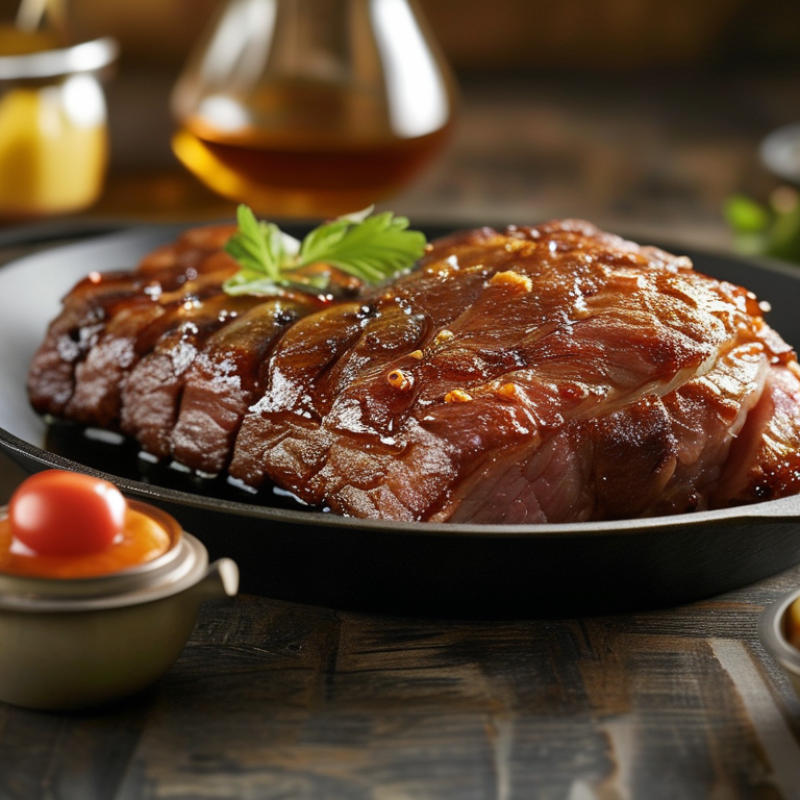
Best Cooking Thermometer 2026: Key Features to Consider
When selecting a cooking thermometer, consider temperature range, response time, and accuracy. A good thermometer should cover a wide range, ideally from -58°F to 572°F. This range enables you to cook everything, from meats to baked goods. Response time is crucial, too. Instant-read thermometers can give precise readings in under 5 seconds. This speed can mean the difference between undercooked and perfectly prepared food.
Another key feature is the display. Analog vs. digital choices can affect how easily you read temperatures. Digital displays often offer backlighting and large numbers for quick checks. Waterproof models can also save you from potential kitchen mishaps.
Think about battery life as well. Some thermometers require frequent battery changes, which can be a hassle. If you cook often, reliability is a must. For new users, finding the perfect fit might take some trial and error. It’s a learning curve, especially with varying cooking methods. Always calibrate your thermometer occasionally to ensure it gives accurate readings. Embracing the imperfect nature of cooking can lead to delicious discoveries.
Top Types of Cooking Thermometers: Pros and Cons
Choosing the right cooking thermometer can be challenging. Each type has its benefits and drawbacks. Understanding these can enhance your culinary skills.
Digital thermometers are popular due to their quick readings. They often provide results in seconds, making cooking easier. According to a 2023 industry report, 75% of home cooks prefer digital models for precision. However, they may require battery replacements frequently. This can lead to frustration mid-cooking.
Meat thermometers are another common choice. They are designed specifically for cooking meats to the ideal temperature. They are generally reliable but can sometimes give inaccurate readings if misused. In fact, a survey showed that 35% of users incorrectly inserted probes, leading to consistent overcooking. Instant-read thermometers further simplify the process. They are handy but may not be as precise over longer periods.
The choice of a cooking thermometer can truly influence your kitchen experience. It's essential to weigh these pros and cons based on your specific cooking habits and needs.
Best Cooking Thermometer 2026 Top Picks for Perfect Cooking
| Type of Thermometer | Pros | Cons | Ideal Use |
| Digital Instant-Read | Quick readings, easy to use | May not be waterproof, limited to surface temperatures | Grilling, baking, roasting |
| Probe Thermometer | Continuous monitoring, great for large cuts | Can get damaged in oven, may require calibration | Slow-cooked meats, roasts |
| Infrared Thermometer | No contact required, instant results | Cannot measure internal temperature, expensive | Surfaces, frying oil |
| Candy Thermometer | Specifically designed for high temperatures | Bulky, may not be versatile | Candy making, frying |
| Smart Thermometer | Bluetooth connectivity, app support | Requires batteries, can be pricey | Convenient cooking, monitoring remotely |
Accuracy Standards: How Precise Should a Thermometer Be?
Accuracy is crucial when it comes to cooking thermometers. The ideal thermometer must be precise to ensure food safety. According to the USDA, the safe cooking temperature for poultry is 165°F. If the thermometer is off by just a few degrees, it can lead to undercooked meat, posing health risks.
A study from the Food Safety Inspection Service reveals that nearly 25% of tested thermometers are inaccurate. This highlights the importance of calibration. Regularly checking your thermometer's accuracy can save you from serving undercooked meals. A simple ice water test can help measure its precision. Place the thermometer in ice water to see if it reads 32°F.
Inconsistent readings can frustrate even seasoned cooks. Factors like placement and user technique can affect accuracy. Holding the thermometer too close to the pan can give false readings. Ensuring it is in the center of the food is vital. This highlights the need for continuous learning and adjustment in cooking practices.
User Reviews and Ratings: Insights on Leading Models
When choosing the best cooking thermometer for 2026, user reviews reveal much about top-rated models. Experiences shared by home cooks are incredibly valuable. Many users appreciate thermometers that feature quick readings, often taking only seconds. However, not all devices deliver on this promise, leaving some frustrated in crucial cooking moments.
The reliability of temperature readings is another frequent topic. Users often highlight thermometers that maintain accuracy across a wide range of temperatures. They love these devices for consistently helping achieve perfect results. Yet, there are complaints about certain models that drift over time, diminishing their value. Regular calibration seems essential but is often overlooked.
Additional features can enhance user satisfaction. Some thermometers offer smartphone connectivity, which some find convenient. Others dislike the reliance on apps, citing connectivity issues. Simplicity remains a key preference for many. They lean towards devices that are easy to operate without complex technology. This balance between innovation and ease of use appears essential for satisfaction in kitchen tools.
Trends in Cooking Thermometers: Innovations to Watch in 2026
In 2026, cooking thermometers are evolving. New features are enhancing accuracy and convenience. For instance, many models will now have Bluetooth connectivity. This means you can monitor temperature from your phone. No need to stand by the stove constantly. Imagine flipping a steak while checking the temperature on your device.
Another exciting trend is the integration of smart technology. Some thermometers will offer guided cooking instructions. They may suggest optimal cooking times based on your food type. This can be particularly useful for novice cooks. However, over-reliance on technology can lead to mistakes. Precision is key, but human intuition should not be overlooked.
Moreover, sustainability is reshaping the market. More thermometers will be made from eco-friendly materials. This reflects a growing awareness of our environmental impact. Yet, not all brands will prioritize quality over sustainability. Consumers must remain discerning and research their options. As trends shift, it’s essential to reflect on personal cooking practices and preferences. Embracing innovation can enhance your culinary skills, but it should not replace fundamental techniques.