
Search

What Is the Best Pouch Machinery from China?

Choosing the best Pouch Machinery from China requires more than comparing advertised speed or purchase price. The right machine must match the product, pouch format, film structure, and production volume. A stand-up pouch line may need zipper insertion, corner shaping, and reliable bottom sealing. A three-side-seal machine may require a simpler configuration, but its film tension control still matters.

Packaging machinery specialist Dr. Rainer Kuhn offers a useful principle: “The best machine is the one that delivers repeatable quality under real production conditions.” That standard changes the evaluation. Buyers should inspect servo-driven film feeding, sealing temperature stability, registration accuracy, and rejection control. Ask for recorded factory tests using your actual laminate. Watch the seal area closely. Wrinkles often reveal more than a brochure.

Supplier experience also deserves careful attention. Review installation records, spare-parts availability, remote support, and operator training. Request references from companies producing similar pouch sizes and materials. A trustworthy manufacturer should explain limitations clearly. It should not promise maximum speed without discussing film, product, or seal conditions.

No supplier is perfect.

Even a strong Chinese Pouch Machinery manufacturer may need adjustments after installation. Dust, humidity, inconsistent film thickness, and operator habits can affect performance. This is where practical experience becomes valuable. A reliable selection combines machine design, documented testing, service responsiveness, and realistic production targets. The lowest quotation may become expensive when downtime, wasted film, and weak seals appear. The best choice is usually the machine that remains stable when the factory floor becomes busy.
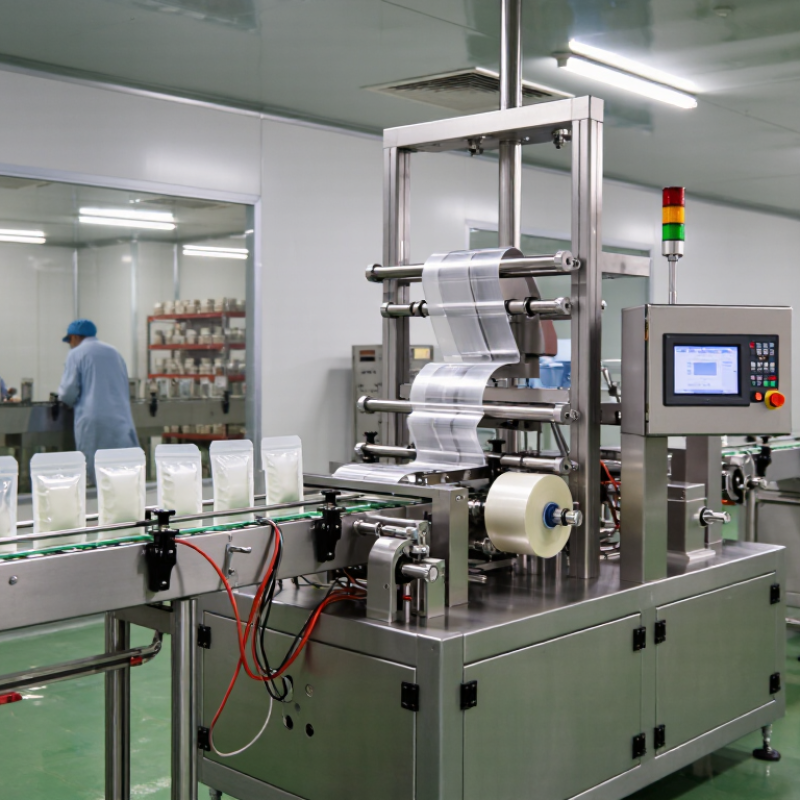
What Is the Best Pouch Machinery from China?

What Is Pouch Machinery and How Does It Work?

What Is Pouch Machinery and How Does It Work?

Pouch machinery converts flexible film into sealed packages through a controlled sequence of mechanical steps. A typical line unwinds film, corrects its alignment, forms the pouch, and creates heat seals. It may also add zippers, spouts, rounded corners, or tear notches. Filling systems measure the product before sealing the final opening. Sensors then check seal position, film movement, and package length.

The process looks simple, but small errors matter. Uneven tension can wrinkle the film. Excessive heat can weaken a seal. Poor calibration may create leaking pouches. Operators usually adjust temperature, pressure, dwell time, and filling speed during trials. A practical test should examine real film, actual product weight, and different production speeds. Paper specifications alone are not enough.

Market data explains this demand. Smithers’ report, The Future of Flexible Packaging to 2028, forecasts continued growth for flexible packaging, supported by lightweight designs and material efficiency. Grand View Research estimates the global pouch packaging market could expand at about 5.5% annually from 2023 to 2030. These figures support wider machinery adoption, but they do not identify one universally best machine. The right choice depends on pouch style, material structure, output targets, cleaning needs, and local technical support. Chinese pouch machinery often offers broad configuration options and competitive engineering costs. Still, buyers should request factory trials, seal-strength records, changeover times, and spare-part details. A cheaper purchase can become expensive when downtime is ignored.

Which Types of Pouch Machines Are Made in China?

Chinese pouch machinery covers several practical formats for different packaging tasks. Premade pouch packing machines fill and seal bags that are already formed. They suit powders, granules, snacks, and small household products. Their changeover is usually simple, but pouch dimensions must match the grippers.

Form-fill-seal machines create pouches from a continuous film roll. They can produce three-side seal, center-seal, and stand-up pouch designs. Doypack machines add bottom gussets for better shelf stability.

Vacuum pouch machines remove air before sealing, which helps protect suitable food products. Spout pouch machines handle liquids such as sauces, detergents, and personal-care formulas. Multi-lane machines increase output, although cleaning and adjustment become more demanding.

Choose by product behavior, not appearance alone. Powder may drift into the seal area. Sticky liquid can slow the filling valve. A small test run can reveal problems that a brochure will not show. Check sealing temperature control, filling accuracy, film compatibility, and cleaning access. Operators should inspect sensors, jaws, pumps, and emergency stops during acceptance testing. Technical documents should include electrical specifications, spare parts, operating limits, and maintenance schedules.

No machine is perfect. A faster model may waste more film during setup. An inexpensive system may require more manual adjustment. Factory experience matters here. Ask for sample pouches made with your actual product and film. Then measure seal strength, weight variation, leakage, and changeover time before making a purchasing decision.

How to Compare Chinese Pouch Machinery by Production Needs

What Is the Best Pouch Machinery from China?

How to Compare Chinese Pouch Machinery by Production Needs

Choosing the best pouch machinery from China starts with your production needs, not a catalog headline. A small food producer may need 40–80 pouches per minute, while a large plant may prioritize continuous high-speed output. Define pouch width, fill volume, material structure, seal type, and changeover frequency before comparing machines. Speed is not everything. A machine running quickly may waste film during setup.

Compare machines through a real production trial. Send representative film and product samples, then check sealing strength, filling accuracy, wrinkle control, and reject rates. Ask for output data at your target settings, not only maximum speed. Review the dosing system carefully. Powder, liquid, and granular products require different controls. Inspect frame access, cleaning time, sensor quality, and spare-part availability. Small details matter. In practice, one trial is not enough.

Total cost should include operators, electricity, film loss, maintenance, training, and technical response time. A low quotation can become expensive when changeovers take an hour. Request videos, references from similar applications, electrical documentation, and a written acceptance test. Confirm safety guarding and applicable standards for your destination market. Do not trust polished claims alone. A spreadsheet can miss noise, awkward access, or an unclear fault alarm. Leave room for doubt, because early assumptions are often wrong. Record results across three shifts, including actual waste and downtime.

What Features Define High-Quality Pouch Machinery?

What Is the Best Pouch Machinery from China?

High-quality pouch machinery starts with stable control, not impressive speed. Servo-driven feeding should maintain accurate film movement during long production runs. A reliable registration system keeps printed patterns aligned, even when film tension changes. Operators should see this accuracy on the pouch surface, not only on a technical sheet.

Temperature control matters greatly. Independent sealing zones should hold stable heat across the sealing jaw. Uneven seals can create leaks, wrinkles, and expensive waste. Smithers’ The Future of Flexible Packaging to 2028 valued the global market at about US$291 billion in 2023. That scale increases pressure for consistent output. The Flexible Packaging Association reported U.S. flexible packaging sales of approximately US$39.8 billion in 2023, showing why dependable machinery matters.

Good equipment also supports quick changeovers, simple cleaning, and clear fault records. Tool-free adjustments can reduce downtime between pouch sizes. Remote diagnostics may help, but they cannot replace skilled technicians. A machine should also measure film tension, seal pressure, and production rejects. Data without useful action is just decoration.

Energy use deserves closer attention. Efficient motors and controlled heating can reduce operating costs, although claimed savings need factory testing. Stainless steel contact areas simplify cleaning. Safety guarding must be practical, not merely attractive. No machine is perfect. Buyers should inspect sample pouches, test difficult films, and review spare-part response before choosing Chinese pouch machinery.

How to Select a Reliable Chinese Pouch Machine Manufacturer

Selecting a reliable Chinese pouch machine manufacturer requires more than comparing online prices. Begin with the machine’s actual application. Check pouch size, filling range, film structure, sealing method, and required production speed. A machine designed for small sachets may struggle with wide bags or heavy products.

Request a live factory demonstration using your material and packaging film. Watch the complete cycle, including feeding, forming, sealing, cutting, and date coding. Measure seal strength and inspect pouch alignment. Ask for test records, electrical diagrams, maintenance schedules, and a clear list of replaceable parts. Useful evidence matters more than polished showroom videos.

Speak with recent customers in similar industries. Ask how quickly technical support responds when sensors fail or sealing temperature drifts. Confirm installation training, remote troubleshooting, warranty limits, and spare-part availability. A dependable manufacturer should explain tolerances honestly, not promise perfect results in every condition. That matters.

Review the factory’s quality controls, operator training, and export experience. Check whether each machine receives documented testing before shipment. A lower quote may hide weaker components, limited support, or difficult software updates. I have seen buyers focus on speed while overlooking cleaning access and changeover time. That mistake becomes expensive during daily production. The best supplier may not offer the cheapest machine. It should provide stable performance, transparent communication, and practical support after delivery.

What Is the Best Pouch Machinery from China? - How to Select a Reliable Chinese Pouch Machine Manufacturer

Evaluation Dimension Typical Industry Benchmark What to Verify with the Manufacturer Importance
Pouch Format Compatibility Flat pouches, stand-up pouches, three-side-seal bags, four-side-seal bags, and zipper pouches are common formats. Confirm the machine configuration, tooling, sealing stations, and changeover parts for every required pouch style. High
Pouch Size Range Many horizontal premade-pouch machines handle approximate pouch widths of 80–300 mm, depending on the model and tooling. Compare the manufacturer’s usable pouch dimensions with the smallest and largest bags in your product range. High
Production Speed Premade-pouch filling and sealing equipment commonly operates at approximately 20–80 pouches per minute, depending on product, pouch size, and configuration. Request a factory acceptance test using your actual pouch material, product, fill weight, and target speed. High
Filling Accuracy Accuracy varies by filler type: auger fillers suit powders, volumetric or multihead weighers suit many solids, and piston or pump fillers suit liquids and pastes. Check test results, allowable weight deviation, calibration procedures, and compliance with local legal metrology requirements. High
Sealing Quality Reliable sealing depends on temperature control, dwell time, pressure, film structure, and product contamination at the seal area. Request seal-strength testing, leak testing, temperature uniformity data, and samples produced with the intended laminate. High
Supported Packaging Materials Common flexible laminates include PET/PE, PET/CPP, OPP/CPP, nylon-based laminates, aluminum-foil laminates, and recyclable mono-material structures. Confirm film thickness, coefficient of friction, sealant layer, stiffness, print registration, and allowable material tolerances. High
Product Compatibility Different fillers are required for powders, granules, snacks, liquids, sauces, viscous products, and products containing particulates. Run a product trial and assess dust control, dripping, foaming, segregation, bridging, and cleaning requirements. High
Automation and Controls Modern machines commonly use PLC control, touchscreen operation, servo-driven motion, photoelectric sensors, and recipe storage. Check alarm history, password levels, recipe management, remote diagnostics, language options, and data-export capability. Medium
Changeover and Cleaning Tool-free or low-tool changeover, quick-release contact parts, and accessible product zones reduce downtime. Measure changeover time with your formats and inspect whether product-contact components can be removed and cleaned safely. Medium
Hygienic Design Food-packaging equipment should minimize product traps, use suitable product-contact materials, and provide cleanable surfaces. Request material certificates, cleaning instructions, surface-finish information, and documentation for food-contact components. High
Safety and Compliance A complete machine should include guarding, emergency stops, interlocks, electrical documentation, and risk-control measures appropriate to the destination market. Confirm applicable CE, electrical, EMC, and local workplace-safety requirements; review the technical file and conformity documentation. High
Compressed-Air Requirements Many automatic pouch machines require clean, dry compressed air; pressure requirements are often around 0.6–0.8 MPa, but vary by design. Verify air pressure, air consumption, filtration grade, compressor capacity, and whether an air dryer is required. Medium
Electrical Requirements Industrial pouch machines are commonly supplied for three-phase power, such as 380–400 V at 50 Hz, subject to the destination country. Confirm voltage, frequency, phase configuration, connected load, plug type, and electrical-panel standards before ordering. High
Quality Management An ISO 9001-certified quality management system can indicate documented quality processes, although certification alone does not guarantee machine performance. Check the certificate scope, validity, production records, inspection procedures, and corrective-action process. Medium
Testing and Acceptance Performance should be evaluated under agreed conditions rather than only by the machine’s nominal speed. Include output rate, fill-weight tolerance, seal quality, waste rate, uptime, and acceptable defect limits in the factory and site acceptance tests. High
Spare Parts Availability Wear parts commonly include sealing elements, belts, sensors, heating components, pneumatic fittings, cutting parts, and vacuum components. Request a recommended spare-parts list, part numbers, prices, stock policy, lead times, and interchangeability information. High
Technical Support Effective support normally includes installation guidance, operator training, troubleshooting documents, and access to service technicians. Define response times, remote-support procedures, engineer availability, training scope, and travel-cost responsibility in the contract. High
Documentation Professional documentation should include manuals, electrical drawings, pneumatic diagrams, parts lists, software backups, and maintenance schedules. Require English documentation and confirm that final documents match the delivered machine configuration. High
Total Cost of Ownership The purchase price is only one component; installation, utilities, tooling, spare parts, labor, waste, maintenance, and downtime also affect total cost. Compare a five-year cost model using energy consumption, expected production, maintenance intervals, spare parts, warranty terms, and service costs. High

Note: Performance ranges are indicative industry benchmarks. Actual results depend on pouch dimensions, packaging material, product characteristics, filling system, operator skill, and machine configuration.