Best Vacuum Insulated Pipe Series for Global Buyers Guide
In today's rapidly evolving industrial landscape, the demand for efficient thermal management solutions is paramount. This is where the Vacuum Insulated Pipe Series comes into play. These pipes offer superior insulation, minimizing heat loss and maintaining optimal temperatures in various applications. Their innovative design and material composition ensure durability and reliability, making them a top choice for global buyers.
Understanding the intricacies of the Vacuum Insulated Pipe Series is essential. These pipes are not just ordinary conduits; they represent a fusion of technology and engineering expertise aimed at enhancing energy efficiency. Buyers should consider aspects such as temperature ranges, pressure ratings, and installation requirements. However, navigating the market can be challenging. Misinformation and varying quality standards often cloud decision-making.
As a prospective buyer, one must evaluate options critically. Not every product marketed as "vacuum insulated" meets the expected standards. It's vital to scrutinize manufacturers, seeking established entities with a proven track record. Ultimately, the right choice in the Vacuum Insulated Pipe Series can lead to significant benefits, though the decision-making process warrants careful thought and reflection.
Overview of Vacuum Insulated Pipe Technology
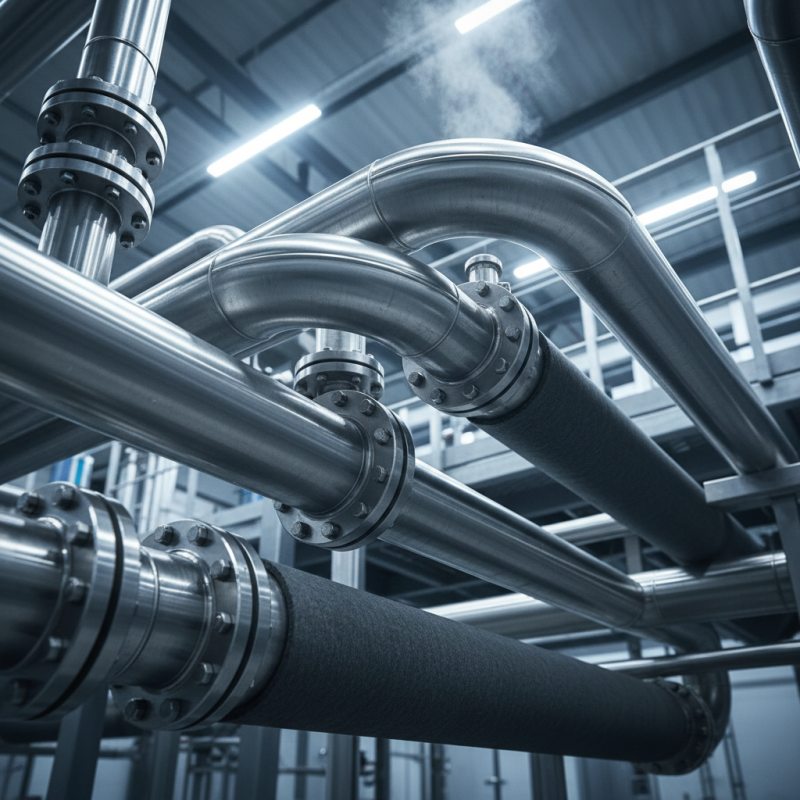
Vacuum insulated pipes (VIPs) represent an advanced solution for thermal energy transfer. These pipes utilize a vacuum layer to minimize heat loss. This technology is essential in various industries, including oil and gas, chemical processing, and even food transportation. Recent industry reports indicate that vacuum insulation technology can reduce energy loss by up to 95%, which is critical for efficiency.
The design of VIPs often involves complex engineering. A typical VIP features an inner pipe, an outer pipe, and a vacuum layer between them. This vacuum not only provides excellent thermal performance but also limits the weight of the piping system. It's important to note that while VIPs offer significant advantages, installation and maintenance can be challenging and costly. Without proper handling, there is a risk of damaging the vacuum layer, which compromises insulation efficiency.
Industry studies show a growing demand for VIPs in sustainable energy applications. By implementing these pipes, companies can substantially enhance their energy efficiency. However, the initial investment can be a barrier for many. Stakeholders must weigh the long-term benefits against upfront costs. Insights from engineers suggest that proper training is vital to maximize the advantages of vacuum insulated pipe technology.
Key Benefits of Vacuum Insulated Pipes for Global Markets
Vacuum insulated pipes offer significant advantages in various industries, including energy and construction. These pipes effectively minimize heat loss, making them ideal for transporting hot or cold fluids. By reducing energy consumption, businesses can lower operational costs. Enhanced thermal efficiency can lead to a substantial decrease in greenhouse gas emissions. This aspect attracts environmentally conscious global markets.
Reliability is another key benefit. Vacuum insulation prevents condensation, which can cause corrosion over time. This durability can extend the lifespan of the infrastructure where these pipes are used. However, it's essential to consider the installation process. Specialized techniques are required to maintain the vacuum, which can be complex and may require skilled labor. This is an area where companies should invest in training and resources to ensure quality.
Moreover, the initial investment may be higher than traditional options. Businesses may hesitate due to upfront costs. However, they should evaluate the long-term savings and benefits. As energy prices continue to rise, adopting efficient solutions like vacuum insulated pipes seems more sensible. Regular maintenance and monitoring are crucial to maximize performance.
Types of Vacuum Insulated Pipes and Their Applications
Vacuum insulated pipes (VIPs) are vital for numerous industries. These pipes effectively minimize heat loss. They serve various applications, including cryogenics, HVAC systems, and food transport. For instance, in the cryogenic sector, VIPs can maintain extremely low temperatures for liquefied gases, which is crucial for aerospace projects. In 2022, the global vacuum insulated pipe market was valued at approximately $2 billion, showcasing its significance in modern engineering.
Different types of VIPs exist. These include single-layer, multi-layer, and composite structures. Single-layer VIPs offer simplicity and cost-effectiveness. Multi-layer pipes enhance thermal performance, while composites provide additional mechanical strength. Each type has unique benefits. For example, multi-layer pipes are more energy-efficient but can be more complex to install. Data indicates that VIPs reduce heat transfer by over 90% in optimal conditions.
Tip: When selecting VIPs, consider insulation effectiveness and installation conditions. Assess the surrounding environment for potential degradation. Additionally, always consult with industry experts to ensure optimal performance. It's essential to reflect on previous installations. Lessons learned can guide future choices and improve results. Regular audits are beneficial for maintaining system efficiency.
Best Vacuum Insulated Pipe Series for Global Buyers Guide - Types of Vacuum Insulated Pipes and Their Applications
| Type of Pipe | Material | Insulation Method | Temperature Range (°C) | Common Applications |
| Standard Vacuum Insulated Pipe | Stainless Steel | Vacuum Layer | -196 to 300 | Cryogenic Systems, Thermal Imaging |
| High-Pressure Vacuum Insulated Pipe | Carbon Steel | Multi-layer Insulation | -196 to 120 | Industrial Gas Delivery |
| Cryogenic Vacuum Insulated Pipe | Aluminum | Expanded Polystyrene | -200 to 60 | Cryogenic Liquid Storage |
| Composite Vacuum Insulated Pipe | Plastic and Steel | Ceramic Fiber | -50 to 150 | Food and Beverage Transport |
| Flexible Vacuum Insulated Pipe | Metal alloy | High-Density Foam | -200 to 100 | Research Laboratories, Aerospace |
Factors to Consider When Choosing a Vacuum Insulated Pipe
When selecting a vacuum insulated pipe, several factors should be evaluated. First, consider the temperature range the pipe will endure. Some applications require extreme temperatures, which necessitate specialized materials. Ensure that the selected pipe can handle both high and low temperatures effectively.
Next, focus on the pipe's insulation efficiency. The thermal performance influences energy conservation and operational costs. Look into the thermal conductivity ratings. A lower value indicates better insulation. Pay attention to the durability of the materials used as well. Long-lasting materials can significantly reduce replacement needs over time.
Additionally, examine the pipe's pressure ratings. High-pressure applications demand pipes designed to withstand substantial stress. Check certification and compliance with industry standards. Many manufacturers offer performance guarantees, which can lend credibility to their products. Selecting the right vacuum insulated pipe involves balancing efficiency, durability, and cost. Each decision can profoundly impact your project's success.
Vacuum Insulated Pipe Types Comparison
This chart compares the thermal efficiency of different types of vacuum insulated pipes commonly available in the market. Understanding these differences helps global buyers make informed decisions based on their insulation needs.
Top Manufacturers of Vacuum Insulated Pipes Worldwide
When exploring the best vacuum insulated pipes available globally, it's essential to recognize key manufacturers that have made significant contributions. These companies employ advanced technologies to enhance insulation efficiency. Their expertise spans various industries, including food processing, chemical manufacturing, and cryogenic applications.
Notably, several manufacturers prioritize quality and innovation. They invest in research to improve product performance. However, some businesses still face challenges in scaling production and maintaining consistency. A focus on quality control can lead to better outcomes.
Global buyers often seek reliable suppliers with a proven track record. Evaluating their reputation and product reviews is crucial. Some manufacturers may fall short in customer service, leading to potential dissatisfaction. Addressing these issues can help them gain a competitive edge. Effectiveness and dependability remain key factors in this ever-evolving market.