China Best 3 Phase To Single Phase Inverter Guide for Buyers?
In the realm of energy conversion, understanding the "3 Phase To Single Phase Inverter" is crucial for buyers. Renowned industry expert Dr. Emily Chen, a leading figure in renewable energy technologies, emphasizes, "A good inverter can define the efficiency of your energy system." Her insights resonate with many who seek to maximize their energy potential.
Investing in a 3 Phase To Single Phase Inverter requires careful consideration. These devices are not merely technical components; they are vital to efficient energy management in homes and businesses. The best inverters can seamlessly convert three phases of power into a single phase, ensuring reliability and performance. Each inverter varies in features, efficiency, and price. Knowing what suits your needs can be overwhelming.
Many buyers often overlook critical details. Focusing solely on price might lead to poor decisions. It’s essential to assess not just the cost but also the inverter’s reliability and support from the manufacturer. Buyers should seek products that come with clear warranties and endorsements. In this evolving market, making informed choices is key to achieving energy efficiency.
Overview of 3 Phase and Single Phase Inverters in China
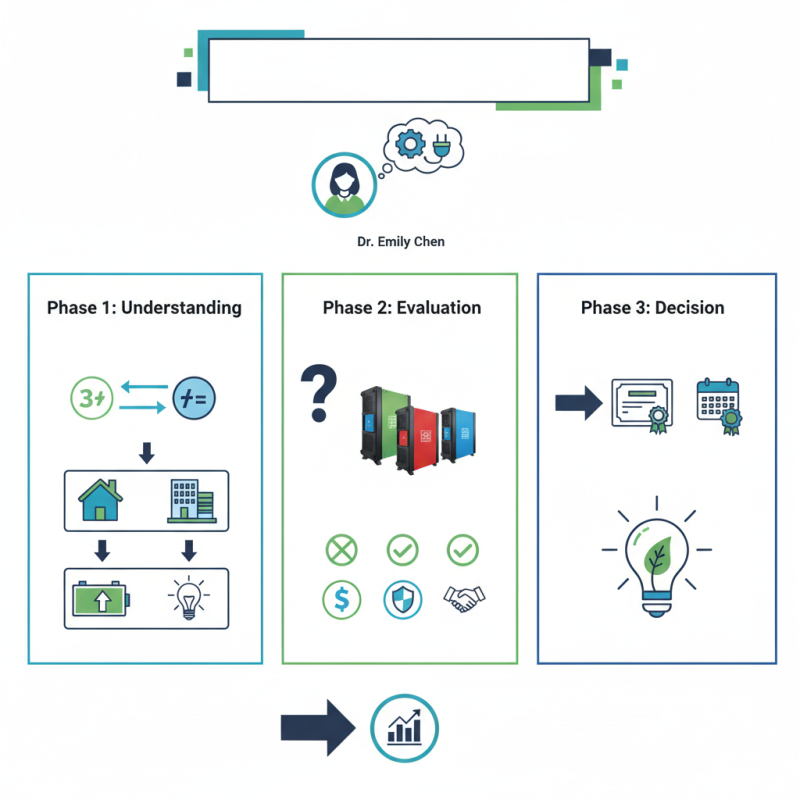
In China, understanding the distinction between 3-phase and single-phase inverters is vital for buyers. Three-phase inverters use three separate currents, allowing for greater efficiency and power. They are ideal for large industrial applications, where energy demand is high. Conversely, single-phase inverters operate using only one current, which suits residential settings and small businesses.
When considering an inverter, assess your energy needs carefully. A 3-phase inverter can handle larger loads but might be excessive for small applications. It's essential to match the inverter type with your requirements to avoid overspending or underutilizing equipment.
Tips for selection: evaluate your current usage and growth potential. Installation complexities vary. Make sure to factor in installation costs and potential upgrades. Consulting with professionals can save time and money in the long run. It's crucial to understand warranty options and customer support availability as well. Invest time in research. Your choice impacts efficiency and cost savings for years to come.
China Best 3 Phase To Single Phase Inverter Guide for Buyers
| Inverter Type | Input Voltage (V) | Output Power Rating (kW) | Efficiency (%) | Weight (kg) | Price Range (USD) |
| 3 Phase Inverter | 380V | 10 | 95 | 30 | 2000 - 3000 |
| Single Phase Inverter | 220V | 5 | 92 | 12 | 800 - 1200 |
| Hybrid Inverter | 230V / 400V | 8 | 96 | 20 | 1500 - 2500 |
| Grid Tie Inverter | 220V | 6 | 93 | 15 | 600 - 1000 |
| Off-Grid Inverter | 12V / 24V | 3 | 90 | 8 | 300 - 500 |
Key Features to Consider When Buying a Phase Inverter
When selecting a three-phase to single-phase inverter, it’s essential to consider several key features. Start with the inverter’s efficiency rating. A higher efficiency ensures more power conversion from DC to AC, which translates into lower energy losses. Look for models boasting over 90% efficiency. This not only saves energy but also enhances the lifespan of your devices.
Another crucial factor is the inverter's capacity. Ensure it matches the maximum load you intend to connect. It's important to calculate both continuous and peak loads. Oversizing can lead to inefficiencies, while undersizing might overload the system. Understand the scale of your application before deciding.
**Tips**: Always check for the warranty period. A reputable manufacturer typically offers a longer warranty, indicating trust in their product. Consider the installation process as well. A model that is easy to set up can save you time and frustration. Read user reviews to gather insights about real-world performance. This can reveal potential issues that specs alone might not show.
Comparison of Key Features in 3 Phase to Single Phase Inverters
Comparison of Leading Brands and Models of Inverters
When choosing a three-phase to single-phase inverter, understanding the leading brands is crucial. Recent industry reports indicate that the demand for inverters is projected to grow by 15% annually. This growth is tied to renewable energy integration and efficient power management systems. Buyers should consider factors like efficiency ratings, surge capacity, and warranty terms when comparing models.
Efficiency is a key aspect. Leading inverters typically boast efficiency ratings between 95% and 98%. This means less wasted energy and lower electricity bills. Similarly, surge capacity plays a significant role. Inverters with higher surge capacity can support more demanding appliances without tripping.
Tip: Always check customer reviews and reliability ratings. They often reveal insights that technical specifications may overlook. Look for models with robust customer support.
Another element to weigh is the installation ease. Some models may require professional setup, while others cater to DIY enthusiasts. While a high-efficiency inverter might seem ideal, its complexity may lead to improper installation. This can negate its benefits.
Tip: Prioritize purchasing from manufacturers known for their technical assistance. That support can save time during installation. And ensure long-term functionality.
Installation and Maintenance Tips for Phase Inverters
Installing a three-phase to single-phase inverter requires careful attention. Begin by choosing a suitable location. Ensure the area is dry and well-ventilated. Avoid placing the inverter near any flammable materials. The mounting surface should be sturdy to prevent vibrations. Notice how connections are made. Any loose wires can lead to failure or hazards.
Once installed, regular maintenance is crucial. Inspect the inverter for dust accumulation. A clean inverter operates more efficiently. Check for any signs of wear. Cables should be intact and tightly secured. Periodically test the inverter’s output. This will help you identify issues early. Don't neglect the user manual. It offers specific guidance unique to your inverter model.
Be aware of potential problems. Inverters can overheat if not ventilated properly. An overheated unit may cause unplanned downtime. Listen for unusual sounds. Whining or buzzing may indicate electrical issues. Reflect on your installation process. Are there ways to improve? Assess your work and seek feedback from professionals whenever possible. This helps enhance future installations.
Understanding Energy Efficiency and Performance Ratings for Inverters
When considering a three-phase to single-phase inverter, energy efficiency and performance ratings are crucial factors. Efficiency measures how much of the input energy is converted to output energy. A higher efficiency means more utility and savings over time. Look for inverters with efficiency ratings above 90%. They are generally more reliable and offer better performance.
Understanding performance ratings is also essential. The Continuous Power Rating tells you how much power the inverter can handle continuously. Peak Power Rating indicates the maximum load it can support for short bursts. Both metrics inform you of the inverter's capability and suitability for your needs.
**Tips:** Always check the manufacturer's specifications. A lack of transparency could indicate hidden issues. Research user reviews to uncover potential concerns. Consider power requirements and future scalability. Not all inverters meet every user's needs.