How to Choose the Right Mini Excavator Hydraulic Boom Cylinder?
Choosing the right Mini Excavator Hydraulic Boom Cylinder can significantly enhance your machine's performance. A suitable hydraulic boom cylinder ensures optimal lifting capacity and stability. If the cylinder isn't compatible, it may lead to inefficiencies and safety risks.
Understanding the specifications of the Mini Excavator Hydraulic Boom Cylinder is crucial. Factors such as bore size, stroke length, and pressure ratings directly impact performance. Ideally, you want a cylinder that matches the operational requirements of your excavator. A mismatch could result in mechanical issues or limits in functionality.
Consider the environment in which you’ll operate the excavator. Different terrains may exert varied pressures on the boom cylinder. Reflecting on your past experiences can also provide insight. Ask yourself: Is the current setup working effectively? Making informed choices now can prevent costly mistakes later.
Understanding the Importance of Hydraulic Boom Cylinders in Mini Excavators
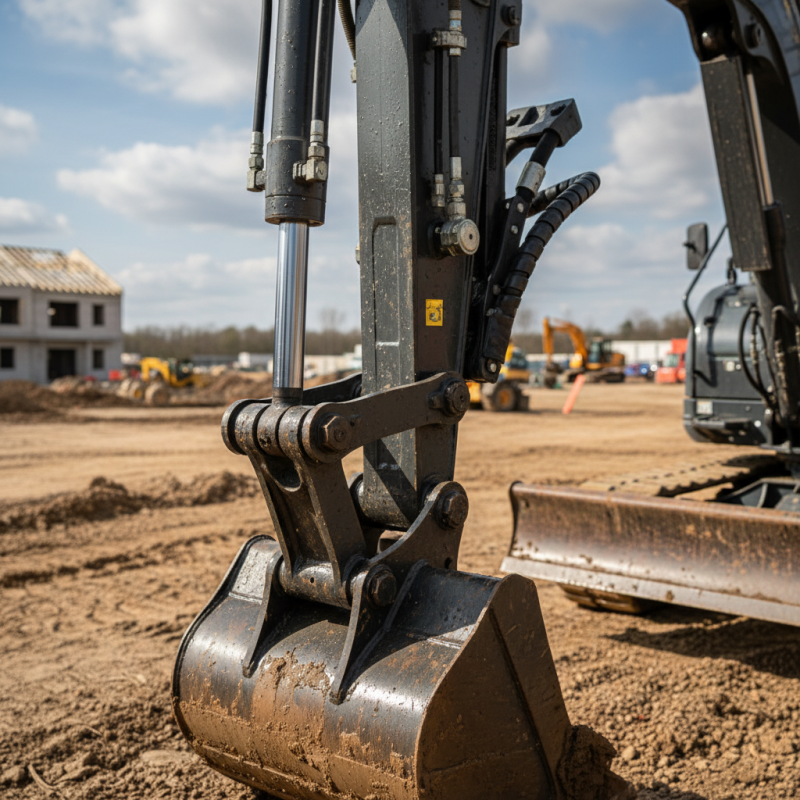
The hydraulic boom cylinder is a critical component in a mini excavator. It controls the lifting and lowering of the boom, powering the machine's ability to dig and lift. Without a reliable hydraulic boom cylinder, the excavator's performance suffers significantly. A malfunction can result in reduced efficiency and increased wear on other parts. Operators often overlook this vital component, leading to costly repairs and downtime.
Selecting the right hydraulic boom cylinder is essential. Each mini excavator has unique specifications. The type of work you plan to do also influences your choice. For instance, heavy-duty tasks require cylinders that can handle greater pressures. Many operators may not realize the importance of matching the cylinder's capacity with the excavator's requirements. A mismatch can lead to safety risks and operational failures.
Regular maintenance is also crucial for the hydraulic system. Checking for leaks and ensuring proper fluid levels can extend the lifespan of the boom cylinder. Many users neglect these basic checks, which can lead to larger issues down the line. While it may seem tedious, investing time in maintenance promotes efficiency and reliability for your mini excavator. This attention to detail can make a real difference in your machine’s overall performance.
Key Factors to Consider When Selecting a Hydraulic Boom Cylinder
Selecting the right hydraulic boom cylinder for a mini excavator is crucial for operational efficiency. Key factors include the cylinder's lift capacity, stroke length, and compatibility with your excavator model. According to industry reports, an optimal cylinder can enhance lifting performance by about 15%. Size and specifications should align with your specific tasks, ensuring that the cylinder can handle the intended load without excessive strain.
When assessing options, consider the material strength and construction of the cylinder. High tensile strength steel is often recommended for its durability. Additionally, the bore size and rod diameter affect both strength and responsiveness. Regular maintenance can influence longevity, so choosing cylinders designed for easy servicing can save costs over time.
Tip: Always consult the excavation's operating manual. Dimensions and specifications are crucial for a proper fit. Another tip involves checking pressure ratings. Ensure the cylinder's pressure ratings match the demands of your projects. Investing time in research leads to better performance and reliability. A thoughtful selection process protects your machinery and enhances your workflow.
Assessing Compatibility with Mini Excavator Models and Specifications
When choosing a hydraulic boom cylinder for a mini excavator, compatibility is critical. Each model has specific specifications regarding size and pressure limits. Verify the excavator’s manual for recommended cylinder dimensions and pressure ratings. This ensures that the components will function effectively together.
Take into account the hydraulic system’s capacity. Some systems may have lower pressure specifications, limiting options for cylinder upgrades. Additionally, assess the mounting style and connections. Different models might use varying bolt patterns or pin diameters. Misalignment can lead to installation difficulties and inefficiencies.
Be wary of generic solutions that claim universal fit. While some may work across multiple brands, they often compromise performance. Incompatibility can lead to premature wear or failure. A thorough understanding of your mini excavator’s specs and operational needs is essential. It can save time and costs in the long run.
Evaluating Cylinder Performance: Pressure, Stroke, and Load Capacity
When selecting a mini excavator hydraulic boom cylinder, evaluating performance is crucial. Pressure is one of the key factors. Hydraulic systems rely on specific pressures to lift and manipulate loads effectively. Understanding the maximum pressure your equipment can handle is essential. Too much pressure can lead to component failure.
Stroke length also significantly impacts functionality. It determines how far the boom can extend. A longer stroke allows for more reach but may compromise control at times. Pay attention to both the extension and retraction speeds. They can affect efficiency on the job site. If a cylinder extends too quickly, it might be challenging to control.
Load capacity is another vital consideration. Every job has different requirements. Ensure the chosen cylinder can lift the anticipated weights without straining the system. Exceeding load limits can cause serious damage. Reflect on the potential for wear over time. Regular assessments of hydraulic performance can prevent unforeseen breakdowns. A solid understanding of these aspects can enhance overall productivity and safety.
How to Choose the Right Mini Excavator Hydraulic Boom Cylinder?
| Cylinder Model | Max Pressure (psi) | Stroke Length (inches) | Load Capacity (lbs) | Weight (lbs) |
| Model A | 3000 | 18 | 2500 | 150 |
| Model B | 3500 | 20 | 3000 | 160 |
| Model C | 4000 | 22 | 3500 | 180 |
| Model D | 3800 | 19 | 3200 | 175 |
| Model E | 4200 | 24 | 4000 | 190 |
Maintenance Tips for Prolonging the Life of Hydraulic Boom Cylinders
Hydraulic boom cylinders are essential components in mini excavators. Regular maintenance can significantly prolong their lifespan. First, inspect the cylinder for any signs of wear or damage. Check the seals carefully. Even small leaks can lead to bigger problems. Clean the exterior to prevent dirt buildup, which can cause corrosion.
Lubricating the moving parts is crucial. Use the manufacturer-recommended lubricant. This reduces friction and enhances performance. Remember, over-lubricating is just as harmful as under-lubricating. Pay attention to the hydraulic fluid levels regularly. Insufficient fluid can lead to overheating and failure. It's also wise to operate the equipment within its limits. Pushing it too hard can stress the hydraulic components.
Moreover, every operator should keep a log of maintenance activities. This practice helps identify patterns and potential issues. If issues arise, don't ignore them. Timely repairs can prevent costly replacements. Reflecting on past maintenance routines can offer valuable insights. Learning from experiences ensures better performance in the future.