
Search

7 Tips for Choosing a Drilling Rig API 6A Check Valve

Selecting a Drilling Rig API 6A Check Valve is a pressure-control decision, not a simple catalog purchase. The valve may sit quietly for months, then face sudden flow reversal, vibration, sand, and extreme pressure. A small mismatch can become a serious maintenance problem.

Wellhead engineer John C. Bell offers a practical warning: “A check valve must protect the well when nobody is watching.” That principle guides this article’s seven selection tips. The discussion covers pressure ratings, bore size, temperature limits, body materials, sealing performance, connection design, and inspection support. Each detail matters in the field.

Start with the actual drilling conditions. API 6A compliance is essential, but it does not automatically guarantee the best operational fit. Check the PSL and PR levels carefully. Confirm the working pressure against the complete wellhead system, not one isolated component. Examine whether the valve can tolerate sour service, abrasive particles, and repeated cycling. Ask for traceable test records and clear maintenance instructions.

Look closely at the hinge, spring, seat, and closure speed. A valve that closes too slowly may allow damaging backflow. One that slams shut may create pressure spikes. The choice is not always neat. Field experience often exposes weaknesses that brochures omit.

Reliable suppliers should provide material certificates, dimensional drawings, inspection data, and responsive technical support. Compare lifecycle cost, not only the purchase price. A cheaper valve may demand more downtime later. These seven tips help drilling teams make a safer, more informed selection, while leaving room for one honest conclusion: every well presents conditions worth rechecking.
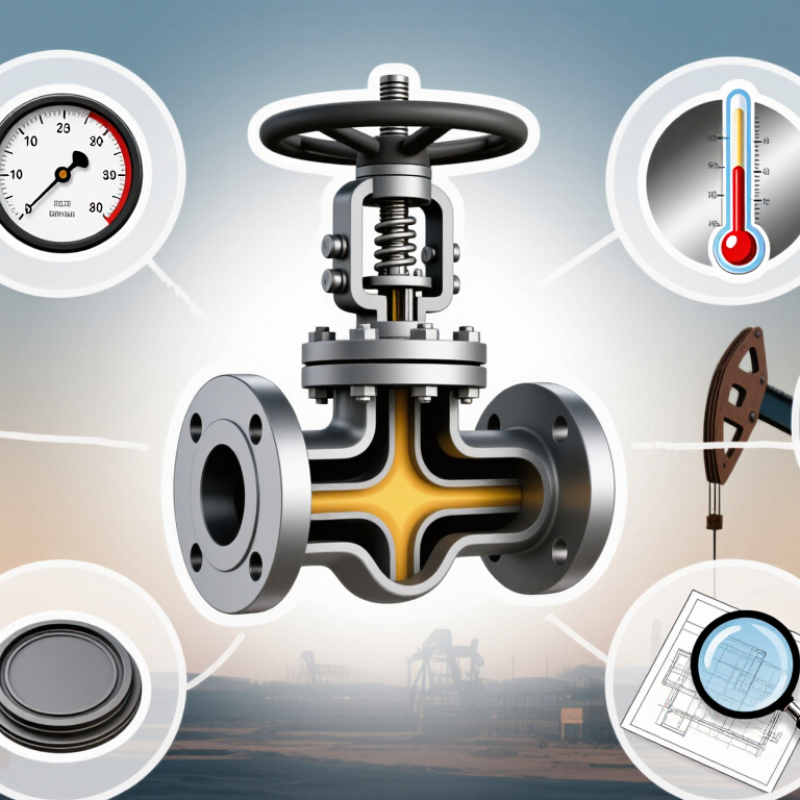
7 Tips for Choosing a Drilling Rig API 6A Check Valve

Understand the Role of an API 6A Check Valve in Drilling Operations

An API 6A check valve controls flow direction in drilling operations. It allows pressure to move toward the well while limiting reverse flow. This function supports well control, protects surface equipment, and reduces pressure shocks in connected lines. It is a passive component, but its failure can have serious consequences.

Seven checks guide a practical selection. Confirm the pressure class and bore size first. Match the valve connection with the wellhead or manifold flange. Review the temperature range and fluid conditions. Check material compatibility with drilling mud, produced fluids, and corrosive gases. Examine the sealing design and expected leakage limits. Verify installation direction and available space around the valve. Finally, request pressure-test records, material certificates, and inspection documents with clear traceability.

During operation, the valve may face vibration, abrasive solids, and rapid pressure changes. A clean hinge or piston path matters. Even a small particle can delay closure. Field teams should inspect external damage, monitor pressure behavior, and follow the maintenance interval set by the equipment specification. Do not assume a higher pressure rating solves every problem. A valve can meet the rating and still perform poorly with the wrong trim or connection. That detail is easy to miss. A careful review of drawings, operating data, and test results gives the selection greater reliability.

Verify Pressure Ratings and API 6A Compliance

Choosing a drilling rig API 6A check valve starts with pressure verification. API Specification 6A lists rated working pressures from 2,000 to 20,000 psi. Match the valve rating to the wellhead pressure, not the pump’s normal reading. Leave a safe margin for pressure spikes.

Check the nameplate, certificate, and test record together. The pressure class must match the purchase specification. API 6A also uses Product Specification Levels, or PSLs, from PSL 1 to PSL 4. Higher PSL requirements demand stronger inspection, testing, and traceability. Do not accept a certificate with missing heat numbers or unclear revision details.

Small details matter. Very much.

Confirm the valve’s temperature rating and material class before selection. Sour-service conditions require suitable materials and documented resistance to hydrogen sulfide exposure. API 6A and ISO 10423 provide the technical framework, while IOGP equipment specifications commonly add project-specific inspection controls. These documents should agree.

A pressure test is not just paperwork. Review test duration, medium, recorded pressure, leakage limits, and calibration dates. A gauge reading without calibration evidence is weak evidence. I have seen tidy documents hide unclear assumptions. That deserves a second review. Ask whether the stated rating covers the complete valve assembly, including seals, bonnet connections, and end fittings. The weakest component controls the real limit.

7 Tips for Choosing a Drilling Rig API 6A Check Valve - Verify Pressure Ratings and API 6A Compliance

Tip Selection Dimension Verified Technical Data What to Confirm Before Purchase Risk if Mismatched
1 Match the pressure rating API 6A nominal working pressure classes include 2,000, 3,000, 5,000, 10,000, 15,000, and 20,000 psi, where applicable to the selected equipment configuration. Compare the valve’s rated working pressure with the maximum anticipated wellhead, choke-manifold, kill-line, or standpipe pressure. Do not select a valve based only on normal operating pressure. Pressure containment failure, leakage, equipment damage, or serious personnel exposure.
2 Verify API 6A compliance API Specification 6A addresses wellhead and Christmas-tree equipment, including design, materials, pressure testing, documentation, and product identification requirements. Request a current certificate or declaration of conformity, product datasheet, applicable API 6A edition, manufacturing records, pressure-test reports, and traceable identification markings. Unverified equipment may not meet the required design, testing, or traceability controls.
3 Select the correct PSL and PR level API 6A uses Product Specification Levels (PSL) to define quality and verification requirements, while Performance Requirement Levels (PR) address functional and environmental performance. Confirm the required PSL and PR in the project specification. Check whether the valve is qualified for the expected pressure, temperature, cycling, and service conditions. A valve can have the correct pressure rating but still lack the required quality or performance qualification.
4 Check temperature and material class API 6A defines temperature classes and material classes for equipment exposed to different operating environments. The applicable range depends on the specific class and design. Match the valve’s temperature class and material class to ambient temperature, fluid temperature, sour-service requirements, corrosion risk, and any applicable project material specification. Seal degradation, brittle fracture, corrosion, or loss of pressure integrity.
5 Confirm connection and bore dimensions Common connection details include nominal size, flange or threaded end type, pressure class, bore configuration, and applicable dimensional standards. Verify nominal size, end connection, flange dimensions, bore size, bolt pattern, face-to-face length, flow direction, and compatibility with the existing drilling-fluid line. Installation delays, forced modifications, misalignment, restricted flow, or connection leakage.
6 Evaluate flow and backflow control Check-valve performance depends on flow direction, cracking pressure, pressure drop, closing response, fluid density, solids content, and the selected disc or piston design. Request flow-capacity data for the actual drilling-fluid or well-control service. Confirm allowable pressure drop, minimum flow for stable opening, reverse-flow tightness, and resistance to erosion. Unstable operation, excessive pump load, water hammer, premature wear, or inadequate backflow prevention.
7 Review testing, documentation, and maintenance access Pressure tests should be performed using documented procedures, suitable test fluids, calibrated instruments, and acceptance criteria defined by the applicable specification and purchase requirements. Confirm hydrostatic and functional test records, material certificates, seal information, spare-part availability, inspection intervals, repair instructions, and a clear maintenance procedure. Difficult troubleshooting, extended downtime, undocumented integrity, or unsafe field repairs.

Note: Always compare the valve documentation with the current project specification, applicable API 6A edition, operating envelope, and local regulatory requirements. Pressure and performance values must be confirmed for the exact valve configuration.

Select the Suitable Valve Design and Connection Type

7 Tips for Choosing a Drilling Rig API 6A Check Valve

Select the valve design according to flow direction, pressure, and maintenance conditions. A swing check valve may suit steady flow with limited space concerns. A piston or axial design can reduce reverse-flow impact and closing shock. For high-cycle drilling service, inspect the hinge, spring, and sealing surfaces carefully. Small weaknesses become expensive failures.

Tip 1: Match the valve pressure rating to the complete wellhead system, not only the normal working pressure. Include pressure spikes, temperature changes, and possible erosion from drilling fluids.
Tip 2: Confirm the bore size and flow path. A restrictive valve can increase turbulence, noise, and wear.
Tip 3: Choose materials and trim for the actual fluid chemistry. Sour or abrasive service needs documented material compatibility and qualified testing.

Connection type deserves equal attention. Flanged connections are familiar and easier to inspect, while hub or clamp connections can reduce installation time and equipment height. Verify flange size, pressure class, face type, bolt dimensions, and gasket requirements. The connection must align with existing equipment without forced adjustment.

Tip 4: Check interchangeability before ordering.
Tip 5: Review installation access around the valve.
Tip 6: Consider removal space for seals and internal parts.
Tip 7: Request traceable inspection records and pressure-test documentation.

Field experience shows that connection details are often underestimated. I have seen a suitable valve delayed by one mismatched flange detail. That mistake is avoidable, but not always obvious.

Evaluate Materials for Pressure, Temperature, and Fluid Conditions

A drilling rig API 6A check valve must match the pressure, temperature, and fluid conditions at the wellsite. Material selection is not a catalog exercise. It affects sealing reliability, maintenance intervals, and operational safety. Start with the valve body, trim, stem, and seat materials. Each component faces different stress.

Tip 1: Confirm pressure ratings first. Compare the valve’s working pressure with the highest expected well pressure, including surge conditions. A small safety margin matters. Do not rely only on normal readings. Temperature also changes material behavior. Low temperatures can reduce toughness, while high temperatures may harden seals or weaken elastomers. Verify the complete temperature range, not just the average operating point.

Tip 2: Study the fluid chemistry. Sour gas, chlorides, abrasive sand, and produced water can attack poorly selected materials. For hydrogen sulfide service, confirm compliance with applicable sour-service requirements, such as NACE MR0175/ISO 15156. Stainless alloys may resist corrosion, but resistance depends on concentration, temperature, and stress. This is where assumptions fail. I have seen “corrosion-resistant” descriptions hide important limits.

Tip 3: Check compatibility between seals and fluids. Oil-based fluids, completion chemicals, and cleaning agents can swell or crack unsuitable elastomers. Request test data for the actual fluid mixture and temperature. If the field conditions are uncertain, record that uncertainty and choose a verification test before purchase. A perfect material choice on paper can still perform poorly in real service.

Compare Maintenance Needs, Suppliers, and Total Operating Costs

Choosing an API 6A check valve requires more than comparing purchase prices. Review the valve’s pressure rating, temperature range, bore size, material grade, and actual wellsite conditions. Confirm compatibility with drilling fluids, gases, and corrosive service. Small mismatches create expensive failures.

Maintenance demands deserve close attention. Ask how quickly technicians can inspect the closure element, replace seals, and access the bonnet. Clear service instructions matter. They reduce errors during a night shift. Check whether the supplier provides material certificates, pressure-test records, dimensional drawings, and traceable spare parts. Also examine lead times and technical support. A reliable supplier should explain inspection intervals without hiding behind vague promises. That is a useful test.

Total operating cost includes much more than the invoice. Add installation labor, lifting equipment, scheduled testing, spare seals, storage, transport, and potential production delays. A valve that costs less may require frequent removal or specialized tooling. I have seen maintenance teams overlook downtime because it appears in another budget. That mistake is common. Compare expected service life under your real operating cycle, not a perfect laboratory schedule. Request evidence from similar pressure environments, while remembering that field records can still be incomplete. The best choice balances documented performance, practical maintenance, dependable supply, and realistic replacement planning.