Search

How to Choose the Best Weatherproof Tape?

Choosing the best Weatherproof Tape begins with the surface, not the label. A roll marked “all-weather” may still fail on dusty concrete, rough timber, or damp metal. The right choice depends on exposure, temperature, movement, and the time required for bonding.

Adhesive researcher Dr. David A. Dillard offers a useful principle: “Adhesive performance depends on the whole system, not one impressive specification.” That idea matters when comparing acrylic, butyl, rubber, and silicone-based tapes. Each adhesive behaves differently under sunlight, rain, freezing conditions, and repeated expansion. A tape that grips strongly indoors may peel outdoors after several hot afternoons.

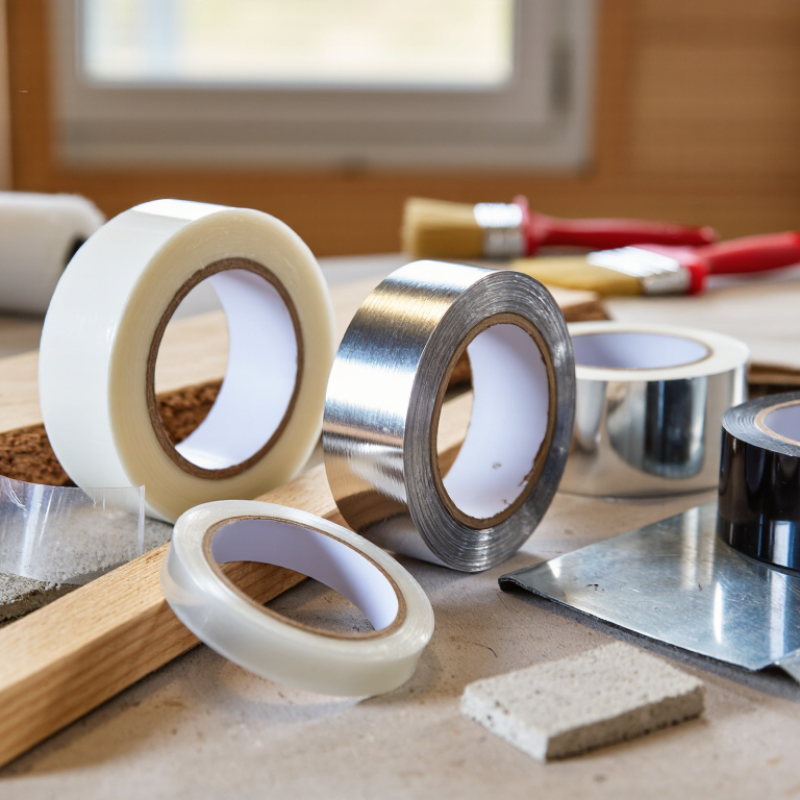
Look closely at the backing material. Polyethylene-coated cloth can handle uneven surfaces and quick repairs. Aluminum foil tape reflects heat and resists moisture around ducts. Clear film tape suits visible seams, but it may expose dust and poor alignment. Small details matter.

Preparation matters more than many buyers expect. Remove oil, loose paint, and standing water. Press the tape firmly across the full width. A roller often works better than fingertips.

Check the service temperature range. Check UV resistance. Check the surface compatibility.

There is no perfect roll.

A practical choice also considers removal. Some tapes leave adhesive stains after months of exposure. Others lose their bond before the repair is complete. That uncertainty deserves attention. Testing a short strip for twenty-four hours can reveal more than a polished product description.

The best Weatherproof Tape is the one matched to the real environment, installed carefully, and judged by evidence rather than marketing language.

How to Choose the Best Weatherproof Tape?

Weatherproof Tape Types and Their Core Differences

Choosing weatherproof tape starts with identifying the exposure, not the color or thickness. Butyl tape forms a flexible, water-resistant seal around joints, vents, and uneven surfaces. Acrylic adhesive usually offers stronger ultraviolet and temperature resistance. Rubber-based tape grips quickly, even on dusty materials, but may age faster outdoors. Foil-faced tape adds a reflective moisture and vapor barrier. Each type solves a different failure.

Industry reports show why selection matters. Grand View Research’s 2024 pressure-sensitive tapes analysis estimated the global market at over 80 billion dollars in 2023, with construction among its major applications. However, market growth does not prove equal field performance. A tape passing ASTM D3330 peel testing may still fail when water, sunlight, and surface movement act together. That is an easy mistake.

For exposed seams, check the adhesive’s service temperature, UV rating, elongation, and backing strength. Butyl works well on masonry and metal because it remains conformable. Acrylic performs better where long-term sunlight exposure is expected. Rubber can be practical for short repairs and rough surfaces. Foil tape suits ductwork and insulation, but it needs firm pressure and clean, dry surfaces. The U.S. Department of Energy’s building-envelope guidance repeatedly identifies uncontrolled air and moisture movement as major sources of energy loss and durability problems. Test a small section first. Real surfaces are rarely perfect.

How to Choose the Best Weatherproof Tape? - Weatherproof Tape Types and Their Core Differences

Weatherproof Tape Type Typical Construction Water Resistance UV Resistance Typical Service Temperature Best-Suited Applications Key Advantages Main Limitations
Butyl Rubber Sealing Tape Highly conformable butyl rubber adhesive, commonly supplied on a polyethylene, foil, or nonwoven carrier Excellent Medium to high, depending on the facing Approximately −40°C to 90°C Roofing joints, flashing, window and door frames, gutters, ducts, and sealed overlaps Creates a flexible, pressure-sensitive moisture seal; adheres well to many smooth and slightly irregular surfaces Can soften in high heat, collect dust on exposed edges, and require protection from direct sunlight when not UV-stabilized
Acrylic Adhesive Tape Acrylic adhesive on a polyester, polyethylene, polypropylene, or foam carrier Excellent when the bond is fully developed Excellent Approximately −40°C to 150°C, depending on formulation Exterior mounting, solar and outdoor equipment, façade components, signs, trim, and long-term bonding Strong aging resistance, good resistance to sunlight and oxidation, and reliable performance over a broad temperature range Usually needs clean, dry surfaces and sufficient dwell time; initial adhesion may be lower than rubber-based adhesives
Silicone Self-Fusing Tape Unvulcanized silicone rubber tape that fuses to itself when stretched and wrapped with overlap Excellent after proper wrapping Excellent Approximately −50°C to 200°C Electrical cable repair, hose and pipe protection, emergency sealing, and irregular or damp surfaces Forms a resilient, insulating, and seamless rubber-like layer; performs well in moisture, heat, and outdoor exposure Does not normally adhere permanently to most substrates; requires tension and overlap during installation
PVC Utility or Electrical Tape Flexible PVC backing with pressure-sensitive rubber or acrylic adhesive Good when wrapped correctly Medium to high, depending on UV stabilization Approximately −18°C to 105°C Wire insulation, color coding, bundling, light-duty outdoor repairs, and temporary protection Flexible, easy to tear or cut, conformable, and available in multiple thicknesses and colors May shrink, harden, or lose adhesion with prolonged exposure; not ideal for permanent structural sealing
Polyethylene-Coated Cloth Tape Woven or scrim-reinforced cloth backing with a polyethylene coating and rubber-based adhesive Good for short- to medium-term exposure Low to medium Approximately −20°C to 60°C Temporary repairs, bundling, outdoor maintenance, packaging, and surface protection High tear strength, quick application, conformability, and good handling in maintenance work Adhesive residue, edge lifting, and backing degradation may occur during prolonged sun, heat, or moisture exposure
Aluminum Foil Tape Aluminum foil backing with acrylic or rubber-based adhesive; may include a reinforced or laminated structure Excellent when edges are fully sealed Excellent Approximately −40°C to 150°C, depending on adhesive system HVAC ductwork, insulation joints, radiant barriers, flashing, and outdoor thermal protection Reflects radiant heat and light, resists moisture, and provides a durable vapor barrier Can wrinkle or tear during installation; metal surfaces may require careful cleaning and firm pressure for bonding
Bituminous Flashing Tape Rubberized asphalt or bitumen adhesive with an aluminum, polyethylene, or mineral-coated backing Excellent Medium to high when faced or coated Approximately −20°C to 80°C Roof flashing, foundation joints, skylights, pipe penetrations, and construction waterproofing Thick, flexible, and effective for sealing overlaps and penetrations against bulk water May soften in high temperatures; exposed asphalt products can degrade under sunlight and may stain porous materials
Polyurethane or Foam Sealing Tape Open-cell or closed-cell foam carrier with acrylic, rubber, or modified adhesive Good with closed-cell foam and sealed edges Medium; exposed foam may need protection Approximately −30°C to 90°C Gasket replacement, vibration damping, weather-stripping, enclosure sealing, and gap filling Compressible, useful for uneven surfaces, and effective for reducing air leakage and vibration Open-cell versions can absorb water; compression set and exposed-edge aging can reduce long-term performance

Note: Temperature ranges and outdoor durability vary with adhesive chemistry, backing material, thickness, substrate, surface preparation, installation pressure, and exposure conditions. Always confirm the technical data sheet for the intended application.

Key Factors for Assessing Weather Resistance

How to Choose the Best Weatherproof Tape?

Key Factors for Assessing Weather Resistance

Weather resistance begins with the environment, not the tape label. Record expected rain, sunlight, temperature swings, and installation conditions. A roof exposed to strong midday UV needs different protection from a shaded indoor vent. Check the backing material, adhesive chemistry, and stated service temperature. These details show whether the tape stays flexible or becomes brittle.

Water resistance has several meanings. A tape may repel splashes but fail under standing water or wind-driven rain. Look for test data on water immersion, peel strength, and aging after UV exposure. Reliable technical sheets should identify test methods, sample surfaces, and measurement conditions. Without that information, impressive claims are difficult to compare fairly. Inspect the edges after installation. Small lifting often starts there.

Surface preparation strongly affects real-world performance. Remove dust, oil, and loose paint, then apply firm, even pressure across the tape. Concrete, metal, plastic, and painted wood can produce different results. Test a small section for 24 to 72 hours before sealing a critical joint. Review it after heat, rain, and cold. I have learned that tape can pass a laboratory test yet disappoint on a dirty surface. That limitation matters. Choose documented resistance and suitable adhesion for the actual exposure, not simply the strongest claim.

How to Match Tape Materials to Outdoor Surfaces

How to Choose the Best Weatherproof Tape?

Outdoor tape should match the surface before it matches the forecast. Acrylic adhesive usually performs well on painted metal, glass, and stable plastics. It tolerates ultraviolet exposure and temperature changes better than many rubber adhesives. Rubber-based tape can bond quickly to smooth, clean surfaces, but sunlight may weaken it sooner. Butyl tape suits uneven masonry, roofing edges, and damp-prone joints because it remains flexible. Silicone adhesive handles difficult surfaces and high heat, though it may need more curing time.

The U.S. Department of Energy reports that air leakage can account for up to 30% of heating and cooling energy in homes. A poorly matched tape can undermine an otherwise careful seal. Porous wood needs a dry, sealed surface first. Brick and concrete need dust removal and, often, a compatible primer. On polyethylene or polypropylene, adhesion is commonly difficult because these plastics have low surface energy. ASTM D3330 peel testing can compare adhesion, while ASTM D3654 evaluates holding power under load. These tests matter more than a strong first touch.

Tips: Clean, dry, and lightly abrade glossy surfaces. Press the tape firmly, especially along edges. Leave a small test patch for 24 to 72 hours. I used to trust “all-weather” labels too quickly. That assumption can fail after one cold night. Check the surface temperature, expected movement, and UV exposure before choosing the backing and adhesive. Even good tape needs a clean foundation.

Steps for Choosing the Right Tape Strength and Size

How to Choose the Best Weatherproof Tape?

Steps for Choosing the Right Tape Strength and Size

Choosing weatherproof tape starts with the surface, not the package label. Clean metal, glass, painted wood, and plastic can require different adhesion levels. Remove dust, oil, and loose paint. Let the surface dry completely. Even light moisture can weaken the bond.

Measure the damaged area and add at least two inches on each side. The tape should cover the opening without stretching. For narrow cracks, a one-inch width may provide better control. Wider gaps often need two-inch or wider tape. Check thickness as well. Thin tape suits smooth surfaces, while thicker tape can bridge small uneven areas.

Strength must match the job. A tape for sealing a window joint may not support a loose outdoor panel. Consider tension, peeling force, temperature changes, and direct sunlight. Press the tape firmly with a roller or clean cloth. Avoid touching the adhesive. I once used a strong tape on dusty siding, and it lifted within days. The tape was not the only problem; preparation failed.

Test a small section for 24 hours when the surface is unfamiliar. Watch for lifting corners, bubbling, or softened adhesive. Some tapes remain flexible in cold weather, while others become stiff. Read the technical data for service temperature and outdoor exposure. Real conditions can be harsher than a short store test.

How to Choose the Best Weatherproof Tape?

Use the joint gap and exposure level to select a practical tape width. Wider tape provides more bonding area and greater tolerance for uneven surfaces.

Selection Guide

For narrow seams up to 5 mm, a 25 mm tape can provide sufficient coverage when the surface is clean and stable. For gaps from 6–10 mm, choose at least 50 mm tape. Use 75 mm tape for wider or irregular joints, and 100 mm tape where maximum coverage and higher tolerance to surface movement are needed. Always check the tape’s tensile strength, elongation, temperature range, UV resistance, and water-resistance rating before installation.

Width recommendations are practical installation thresholds; actual performance depends on substrate condition, joint movement, temperature, moisture, and application technique.

Application Conditions, Testing, and Long-Term Maintenance

How to Choose the Best Weatherproof Tape?

Application Conditions, Testing, and Long-Term Maintenance

A weatherproof tape should match the surface, temperature, moisture, and movement at the job site. Clean metal, painted panels, glass, and textured plastics can require different adhesive systems. Before application, remove dust, oil, and loose coatings. The surface should feel dry, not merely look dry. Press the tape firmly with a roller, especially along edges and seams. I once trusted a warm indoor sample, but the same tape lifted outdoors after a cold night. That mistake changed how I test products.

Small tests reveal more than packaging claims. Apply a sample to the actual substrate, then expose it to rain, sunlight, and temperature changes. Check the edges after 24 hours, one week, and several weeks. Test peeling by lifting one corner slowly, not suddenly. Observe bubbles, shrinking, cracking, and adhesive transfer. No test is perfect. Still, repeated field checks provide useful evidence. For critical work, record surface temperature, humidity, batch details, and application pressure.

Long-term maintenance begins with inspection. Look for lifted corners, brittle backing, water trails, and dirt collecting along seams. Check after storms, heat waves, and freeze-thaw cycles. Pressing a loose edge back down may hide a deeper failure. Replace damaged sections with clean overlaps, rather than adding random patches. Some sites need seasonal inspections; exposed roofs may need closer attention. A practical maintenance record should note what failed, where it failed, and why. My records are not always complete, which makes later decisions harder. That is a weakness worth correcting.