Magnetic Separator Buying Tips for Global Suppliers?
When considering the purchase of a Magnetic Separator, it's vital to seek out reliable suppliers. This equipment plays a crucial role in various industries, such as mining and recycling. A Magnetic Separator efficiently removes impurities and enhances product quality, making informed decisions essential.
Understanding the specific needs of your business is a key factor. Different types of Magnetic Separators exist, each designed for particular applications. Researching suitable options can prevent costly mistakes. Buyers often overlook the importance of supplier experience. An experienced supplier offers valuable insights into product performance and maintenance.
Additionally, evaluating the certification and testing standards of suppliers is critical. Reliable suppliers should provide documentation that meets industry standards. This not only ensures quality but also builds trust. Reflecting on your choices can lead to better long-term partnerships. A hasty decision may result in regret down the line. Prioritize due diligence when selecting a Magnetic Separator supplier to achieve optimal results.
Factors to Consider When Choosing a Magnetic Separator
When selecting a magnetic separator, several factors come into play. The size of the particles you are dealing with is crucial. Larger particles may require different types of separators than smaller ones. Consider the magnetic strength needed as well. Stronger magnets are essential for ensuring effective separation in challenging materials.
Efficiency is another key factor. Not all separators operate at the same level. Some may leave behind traces of magnetic materials. Assessing your process needs can guide you to the right choice. Installation requirements also matter. Some units are easier to install than others.
Finally, think about maintenance and durability. Some separators need frequent servicing, while others are designed for low maintenance. Regular checks can help prevent unexpected downtime. Understanding these variables can lead to a more informed decision when investing in magnetic separation technology.
Types of Magnetic Separators Available in the Market
When exploring magnetic separators, it's vital to understand the different types available in the market. Common types include drum separators, overband magnets, and plate magnets. Each serves distinct purposes and industries, making it essential to choose wisely.
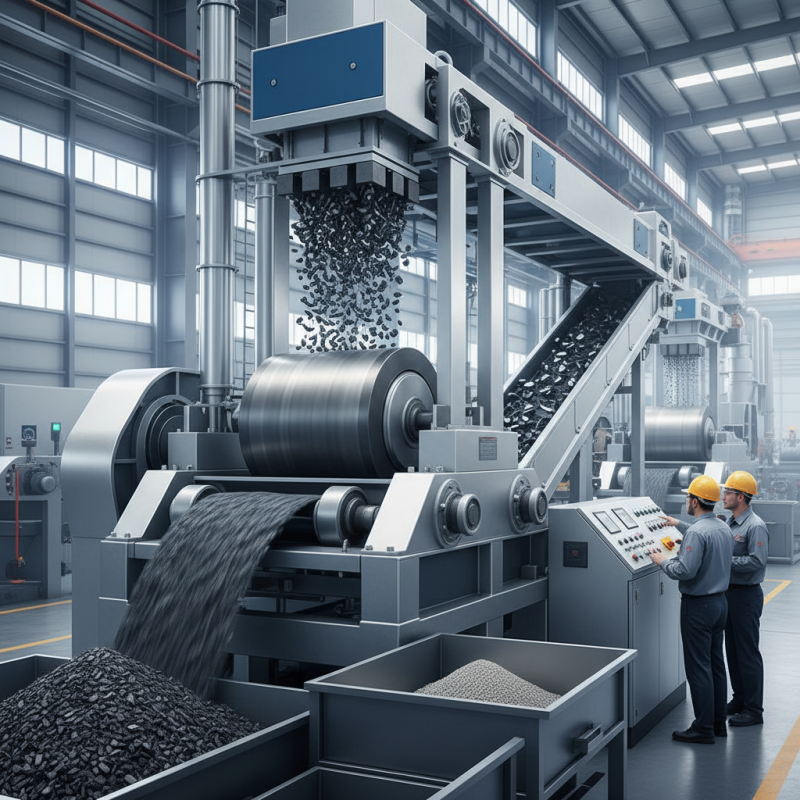
Drum separators utilize a rotating drum to separate ferrous particles from non-ferrous materials. They are efficient for bulk processing and are often used in recycling. Overband magnets are installed above a conveyor belt to capture metal debris without interrupting the flow of materials. They excel in continuous operations but can sometimes miss smaller particles, requiring additional equipment for comprehensive separation.
Plate magnets are useful in gravity-fed systems. They can effectively capture ferrous contaminants in free-falling materials. However, one must consider installation and maintenance challenges. The efficiency may decrease if not positioned correctly, highlighting the need for careful planning. Understanding these types can aid in optimizing operations and ensuring material quality.
Magnetic Separator Types and Their Popularity
This chart represents the popularity percentage of different types of magnetic separators available in the market. Overband Magnetic Separators hold the highest popularity, followed by Crossbelt and Drum Magnetic Separators, indicating a diverse choice depending on application needs.
Key Specifications and Features to Evaluate
When purchasing magnetic separators, it’s crucial to understand key specifications and features that influence performance. Start with the magnetic strength. This directly affects how well the separator can remove impurities. A higher magnetic force often leads to better separation of ferrous materials. Check the gauss rating, which indicates the strength of the magnetic field. A rating of over 1000 gauss is common for effective separators in industry.
Consider the material construction as well. Magnetic separators should be made from durable materials to withstand harsh conditions. Stainless steel is often preferred for its resistance to corrosion. The design also plays a role. A well-designed separator will allow for easy cleaning and maintenance. Look for features like a removable magnetic core. This can significantly reduce downtime during cleaning.
Take note of the separator's size and capacity as well. They need to fit into existing systems without causing disruptions. Too large a separator can lead to inefficiencies, while too small might not meet processing demands. Think about the type of application as well. Different processes require different specifications. Sometimes, it requires trial and error to find the right fit. As you evaluate options, be mindful of your specific needs and the separator's operational parameters.
Supplier Reputation and Customer Reviews
When considering magnetic separators, supplier reputation plays a critical role. A study conducted by the Industrial Manufacturing Association indicated that 78% of buyers trust customer reviews more than any other marketing strategy. Prospective buyers often browse online reviews to gauge a supplier's reliability. They look for feedback regarding product performance, customer service, and maintenance support. Ratings from verified users can provide deep insight.
Moreover, third-party reviews are crucial. They can reveal potential weaknesses. A recent survey from Market Research Insights showed that 65% of customers encountered misinformation from suppliers. This discrepancy emphasizes the need for thorough evaluation. Look for suppliers with an established history of reliability. Supplier longevity often correlates with service quality.
Check industry-specific forums and user communities. These platforms often harbor honest discussions. Participants share personal experiences with various suppliers. A negative review or persistent complaint should not be ignored. A cautious approach in sourcing can prevent costly mistakes down the line. Investing time in understanding supplier reputation is invaluable for ensuring a satisfactory purchase of magnetic separators.
Magnetic Separator Buying Tips for Global Suppliers
| Supplier Country | Reputation Score | Customer Review Rating | Key Features | Price Range (USD) |
| USA | 4.8 | 4.5 | High efficiency, durable design | $1,000 - $5,000 |
| Germany | 4.6 | 4.3 | Compact size, customizable options | $2,000 - $6,000 |
| China | 4.5 | 4.0 | Cost-effective, versatile applications | $500 - $3,000 |
| Japan | 4.7 | 4.6 | Advanced technology, energy efficient | $1,500 - $4,500 |
| India | 4.4 | 4.2 | Lightweight, user-friendly | $300 - $2,500 |
Cost Considerations and Budgeting for Magnetic Separators
When considering the purchase of magnetic separators, budgeting is crucial. According to industry reports, the cost of magnetic separators varies significantly based on type and application. For instance, a low-intensity separator can range from $10,000 to $30,000, while high-intensity models may exceed $100,000. Understanding these costs helps suppliers plan effectively.
A major factor in budgeting is the total cost of ownership. This includes maintenance, energy consumption, and potential downtime. Regular maintenance costs can average around 10% annually of the initial investment. It's essential to factor in these ongoing expenses when setting a budget. Manufacturers should also assess the anticipated lifespan of the equipment, which can impact long-term costs.
Tip: Always seek multiple quotes. This practice can highlight price variations and help narrow down the best options. Another tip is to consult with industry experts about your specific needs. Their insights can ensure you don't overlook any crucial details. Lastly, consider the scalability of the equipment for future demands. This decision can save significant costs down the line.