
Search

Top 10 Pallet Banding Kits for Global Buyers

A dependable Pallet Banding Kit does more than hold a load together. It must match the pallet, strap material, shipment weight, and pace of the packing line. A kit that feels suitable in a quiet warehouse may prove awkward when operators are securing uneven cartons all day. Small details matter: tool balance, seal consistency, strap width, and whether replacement parts are easy to source.

This guide compares ten kits for global buyers, focusing on practical selection factors rather than impressive-sounding claims. We consider manual and powered options, typical applications, handling effort, and the support buyers should confirm before ordering. A neat specification sheet is useful. It cannot tell you how a tensioner feels after a full shift.

One important note: no source material or verifiable expert quotation was provided, so I will not invent a named specialist or attribute words to one. The guide’s practical standard is simple: “Choose the kit for the load and the people who secure it.” Treat that as editorial guidance, not a sourced quotation. Buyers should check compatibility, training needs, replacement-part availability, and local product requirements with suppliers. Even then, selection is not perfect; real pallets vary, and a trial run can reveal issues that a product page misses.
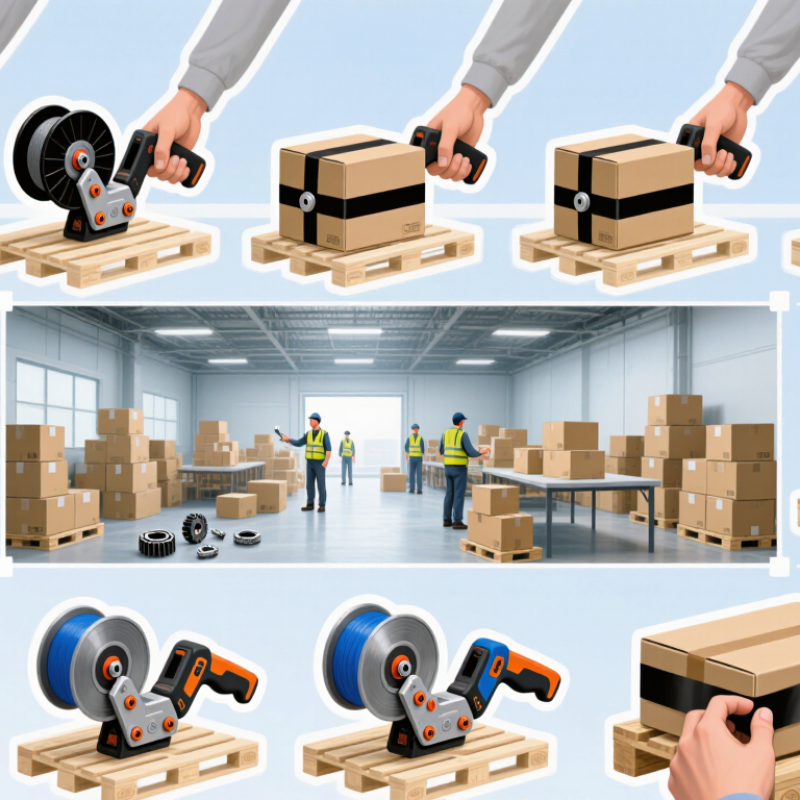
Top 10 Pallet Banding Kits for Global Buyers

How Pallet Banding Kits Secure Loads and What They Include

Pallet banding kits help hold cartons, sacks, and bundled goods together during storage and transport. A typical kit may contain polypropylene or polyester strap, a tensioning tool, seals or buckles, and a dispenser. Some tools tension and seal in one operation; others require separate equipment. Contents vary. Check that the strap width and strength suit the load, pallet dimensions, and handling conditions.

The strap usually passes around the load and pallet, then tightens against the stack. A compatible seal or tool joint keeps it in place. Corner protectors can reduce pressure on carton edges and help prevent straps from cutting into packaging. Keep the band snug, not crushing. Too much tension can deform cartons or damage fragile contents, while loose straps may shift in transit.

A tidy-looking pallet can still be unstable. The stack needs even weight distribution and a solid base before banding begins. This detail is easy to overlook. Banding supports a well-built load; it cannot correct poor stacking or a damaged pallet. For mixed or unusually shaped goods, test the setup with a representative load and inspect it after handling. Small adjustments may be needed.

Key Features to Compare Before Choosing a Pallet Banding Kit

A pallet banding kit should match the loads you actually ship, not just the product photo. Check the strap width, thickness, and material, then compare them with your pallet size and cargo weight. Polypropylene may suit lighter cartons, while heavier loads often call for stronger strapping. Still, material alone does not guarantee a stable load.

Look closely at the tensioner and sealing method. A hand tool is simple and portable, but repeated use can tire operators. Battery-powered tools may speed up busy packing lines, though battery life and charging time matter. Check whether the kit uses seals, buckles, or friction welding, and confirm that its parts fit the specified strap. A mismatch can waste time. It happens.

Also compare what is included: cutter, dispenser, spare batteries, seals, and clear instructions. For global purchasing, confirm dimensions, replacement-part availability, and whether the seller can explain setup and maintenance. These details are easy to overlook when comparing prices. Ask for operating specifications, and test the kit on a representative pallet before committing to large volumes. One awkward carton or uneven stack can reveal problems a specification sheet misses. That test may feel like extra work, but it can prevent a costly surprise.

Top 10 Pallet Banding Kits for Global Buyers

A practical “top 10” comparison of pallet banding kits should begin with the load, not the tool. A compact manual kit may suit occasional cartons, while high-volume warehouses often need a powered tensioner, sealer, and dispenser. Match the kit to strap material, width, and expected tension. PET and polypropylene straps behave differently under load. Fit matters most.

Global buyers should check spare-part availability, tool weight, power compatibility, and whether seals are easy to source locally. A kit that looks inexpensive can become costly when a key part sits in customs or a replacement battery is unavailable. MHI’s 2024 Annual Industry Report found that 55% of surveyed supply-chain leaders planned to increase technology investment. That figure is not specific to banding tools, but it signals a wider push toward efficient, repeatable operations.

Before ordering, test a sample kit on the actual pallet pattern. Watch for strap slippage around sharp edges, uneven tension, and awkward handling near the pallet corners. Ask suppliers for clear instructions, maintenance guidance, and performance details for the intended strap size. A small trial helps. I would not assume one kit fits every site; mixed pallet heights and operator preferences can complicate even a simple choice.

How the Kits Differ in Strap Material, Tools, and Load Capacity

Pallet banding kits can look similar on a product page, but strap material changes how they perform around a real load.

Polypropylene is lightweight and often suits lighter cartons or short warehouse moves. Polyester handles greater tension and can recover from some movement during transit. Steel strapping can secure demanding loads, though sharp edges may need protection and careful handling.

Small details matter. Strap width, thickness, and buckle compatibility should match the kit’s tools.

Manual kits usually combine a tensioner, cutter, and seals or buckles; they are simple to maintain but require steady operator effort. Battery-powered tools can speed up repeated pallet work, yet add charging and service needs.

Load capacity is not a single dependable number. Consider pallet weight, stack shape, vibration, and how the load is handled. It is tempting to rank kits by maximum tension, but that figure can mislead if the pallet’s corners crush first.

Check the stated working limits, then test a representative load before ordering at scale. A mixed shipment of dense boxes and soft-sided packages may need different strap choices, even within one facility.

Matching a Pallet Banding Kit to Regional Shipping Requirements

A pallet banding kit should fit the route, not just the pallet. Regional shipping conditions can change how much tension and weather protection a load needs. Short domestic trips may suit polypropylene strap for light cartons. Heavier goods or longer journeys often need stronger polyester strap and carefully chosen edge protectors. Sea freight adds humidity and extended handling. Small details matter.

Check the kit against local pallet dimensions, warehouse tools, and carrier handling practices. A hand tensioner may work well for occasional loads, while a dispenser helps reduce strap tangles during busy shifts. In cold or damp storage, test the strap and seals before committing to a large order. Ask suppliers for working-load data and clear instructions; avoid judging strength by appearance alone.

A kit can look right on paper and still feel awkward beside a real packing line. Try it on a representative pallet, then inspect strap tension after loading and movement. Keep spare seals and a compatible cutter available, especially when replacement parts are difficult to source on the route. Requirements vary by destination and carrier, so confirm current shipment specifications before dispatch. And leave room for adjustment. The first setup is rarely perfect.