Top Tips for Choosing the Best Wall mounted AC Charger?
Choosing the right Wall-mounted AC charger is crucial for efficient energy use. According to a report from the International Energy Agency (IEA), improper charger selection can lead to 30% energy wastage. A well-selected charger not only optimizes power consumption but also enhances device longevity.
When considering a Wall-mounted AC charger, users often overlook compatibility. Many chargers on the market may not suit specific devices. This can result in damaged equipment or reduced charging efficiency. Moreover, safety features in chargers are vital. Reports indicate that over 20% of electrical fires result from faulty chargers. Ensuring that your chosen charger meets safety standards is non-negotiable.
While numerous options exist, distinguishing between high and low-quality chargers remains challenging. Many consumers rely on branded names, but this may not guarantee performance. User reviews can provide valuable insight, yet they often reflect personal experiences. Thus, thorough research is essential before making a choice. Investing time in understanding your options can prevent costly mistakes and enhance overall satisfaction.
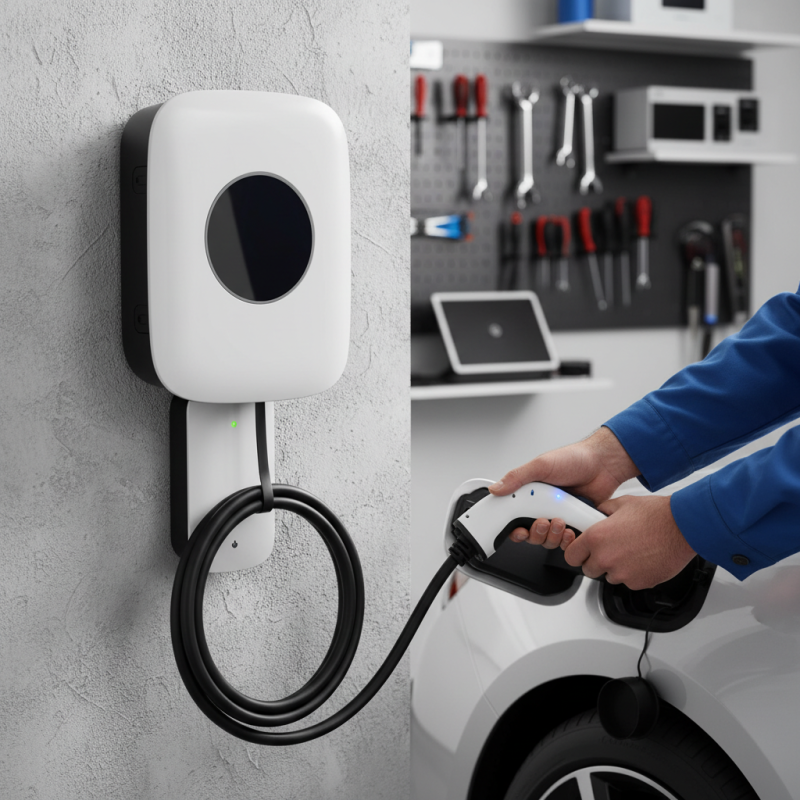
Understanding the Importance of Wall Mounted AC Chargers
Choosing the right wall-mounted AC charger is crucial. These devices ensure efficient energy usage and safety while charging. According to the International Energy Agency, inefficient chargers can waste up to 20% of energy consumed. This data highlights the importance of selecting a quality charger that meets both performance and energy standards.
When considering your options, look for chargers that comply with relevant safety regulations. A charger should meet certifications such as UL and CE. These ensure a level of reliability and safety. Research shows that poorly designed chargers can overheat or even cause damage to devices. Such failures often stem from inadequate testing and design flaws. It’s essential to weigh the potential risks against the benefits of a high-quality product.
Additionally, think about the environment. The Sustainable Energy Authority states that the right charger can significantly reduce the carbon footprint of electronic devices. Many consumers overlook the long-term impact of their charging choices. A wall-mounted option that is energy-efficient makes a substantial difference. It contributes to lower electricity bills and can help reduce overall energy consumption.
Remember, the choice of charger is not just about convenience. It's about ensuring safety and making a positive impact.
Key Features to Look for in Wall Mounted AC Chargers
When selecting the best wall-mounted AC charger, certain key features should guide your decision. Power output is critical. Most modern devices require chargers with at least 18W for fast charging. According to industry reports, wall chargers with USB-C ports can deliver up to 100W, thus providing flexibility for various devices.
Compatibility is another vital factor. Many homes have multiple devices, from smartphones to tablets and laptops. A universal wall charger can eliminate clutter and keep everything charged efficiently. Look for chargers that support multiple protocols like USB Power Delivery and Quick Charge, ensuring versatility across your tech ecosystem.
Finally, pay attention to safety features. Overheating and short-circuit protection should be standard. Statistics show that devices with built-in safety mechanisms reduce fire hazards by 70%. Always prioritize quality in safety, as this is a reflection of the product's reliability. Investing in a reputable charger is essential, even if it requires more upfront costs.
Evaluating Compatibility with Your Devices
When selecting a wall-mounted AC charger, compatibility with devices is critical. You must consider the voltage and current requirements of your devices. Many chargers now support multiple voltages, making them versatile. However, ensure they align with the specifications of your devices to avoid damage or inefficient charging.
Confirm that the charger has the right connector type for your devices. Common types include USB-C and Micro-USB. Using an incompatible connector can lead to frustration and additional costs. Consider an adapter only as a last resort. Some users find that adapters can introduce issues, such as slower charging speeds.
Check for safety certifications when evaluating options. Charging can pose safety risks if the charger is of low quality. Look for chargers with built-in protections against overheating and overcurrent. Understanding these features is essential for long-term use. Remember, not all chargers are created equal. Reflecting on your charging needs will guide you in making an informed choice.
Top Tips for Choosing the Best Wall Mounted AC Charger
| Feature | Importance | Considerations |
| Power Output | High | Ensure it matches your device's requirements |
| Compatibility | High | Check for device brand and model compatibility |
| Port Type | Medium | Consider USB-C vs USB-A based on your devices |
| Safety Features | High | Look for overcurrent and overvoltage protection |
| Energy Efficiency | Medium | Choose chargers with certifications |
| Design | Low | Consider aesthetics and portability |
Assessing Safety Standards and Certifications
When selecting a wall-mounted AC charger, safety is paramount. Prioritizing devices with recognized safety standards is essential. Look for products that are certified by international organizations. This includes UL, CE, or FCC markings. These labels indicate that the charger has undergone rigorous testing for safety and efficiency.
Consider the quality of materials used in the charger. Cheaper plastic may not withstand heat, raising fire risks. Metal casing often provides better protection. Remember that not all chargers with flashy designs are safe. Sometimes, aesthetics can hide subpar engineering. Researching the manufacturer's track record can be helpful. A company with a history of recalls or safety issues may not be trustworthy.
Always examine user reviews focusing on safety concerns. Did users report overheating? Were there issues with short circuits? Engaging with reviews can reveal patterns that might raise red flags. Sometimes, even highly rated products may have flaws. Stay vigilant for signs of potentially dangerous chargers. This insight can guide you toward a safer choice.
Comparing Price vs. Quality in Wall Mounted AC Chargers
When selecting a wall-mounted AC charger, balancing price and quality is crucial. Many buyers often focus on price alone. A cheaper charger may save money upfront, but it can lead to issues later. Low-quality materials can wear out quickly. This can result in additional costs for replacements.
Quality chargers often feature better construction. They can handle daily usage without malfunctioning. However, they might carry a higher price tag. The investment is worthwhile if it ensures safety and efficiency. Additionally, durable chargers can withstand environmental factors like heat and humidity, which prolongs their lifespan.
It's also important to read reviews. User feedback can reveal hidden issues. A higher price does not always guarantee superior quality. Sometimes, a mid-range charger excels in performance while being affordable. Weighing both aspects thoughtfully leads to a more informed choice, ultimately meeting both your budget needs and performance expectations.
Comparison of Features and Prices for Wall Mounted AC Chargers