Top Industrial Energy Storage Systems Exporter for Global Buyers?
In the evolving landscape of energy solutions, the role of an Industrial Energy Storage Systems Exporter is crucial. Experts like Dr. Emily Chen, a leading figure in energy storage technology, emphasize, "Reliable energy storage is key to a sustainable industrial future." This statement underscores the significance of robust storage systems in meeting industrial demands.
Industrial energy storage systems facilitate the efficient use of energy, especially in sectors experiencing fluctuating power needs. They help industries mitigate energy costs while enhancing reliability. However, not all exporters offer the same level of quality or innovation. Buyers must be discerning. Not every system on the market may meet the rigorous standards of today's energy demands.
As global buyers seek top exporters, understanding the industry landscape becomes vital. Key metrics to consider include technology, efficiency, and sustainability. Buyers should critically assess exporters to ensure alignment with evolving energy needs. While there is a wealth of options, careful consideration is essential to avoid subpar solutions that could impede operational efficiency.
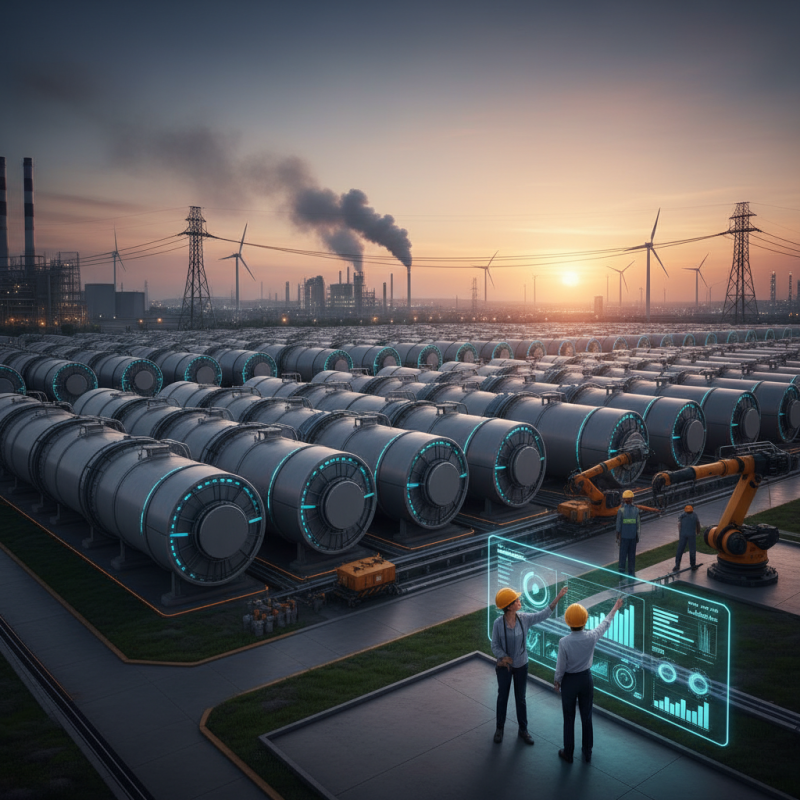
Overview of Industrial Energy Storage Systems
Industrial energy storage systems play a crucial role in today’s energy landscape. These systems store excess energy generated from renewable sources, enabling a balance between supply and demand. The technology can vary, but it often includes batteries, flywheels, and pumped hydro storage. Each method has its own advantages and challenges. Batteries, for example, are versatile but may face issues with lifespan and recycling.
Manufacturers focus on optimizing these systems for efficiency and reliability. The need for scalable storage solutions is growing, driven by the increase in renewable energy projects. Industrial users seek systems that not only store energy effectively but are also cost-efficient. This creates a boom in innovation. However, many current solutions still need improvements in integration and sustainability.
Investing in research and development is essential for overcoming these barriers. There's a demand for better materials and technologies to enhance storage capabilities. Energy professionals must remain vigilant and adaptable. While there is progress, the journey toward optimal energy storage solutions remains ongoing. The future of energy storage holds promise, but careful planning and execution are necessary.
Key Players in the Global Energy Storage Market
The global energy storage market is expanding rapidly. In 2022, it was valued at approximately $28 billion. Projections suggest it will reach $193 billion by 2030. This growth reflects a demand for reliable energy sources, driven by the rise of renewable energy technologies. Industry leaders and key players are innovating to meet this demand.
Battery storage systems are increasingly popular. They help balance supply and demand effectively. According to recent industry analysis, lithium-ion batteries dominate market share, representing around 68% of energy storage systems. However, alternatives like solid-state batteries are gaining traction, showing potential for higher energy densities and improved safety. Proper selection of energy storage systems is critical for efficiency.
Tips: When evaluating storage solutions, consider factors like lifecycle, efficiency, and cost. Focus on long-term benefits over initial expenses. Understanding your specific energy needs will guide you in making informed decisions. Some companies may face challenges in scaling production. Identifying these hurdles can lead to better strategies and improvements. Continuous market monitoring is essential to stay ahead in this dynamic industry.
Factors Driving Export Demand for Energy Storage Solutions
The demand for energy storage solutions is surging, driven by several key factors. According to a recent report by the International Energy Agency, the global energy storage market is expected to reach 158 gigawatt-hours (GWh) in capacity by 2024. This growth is largely fueled by the increasing integration of renewable energy sources. Solar and wind power are variable and require storage systems to balance the supply with demand.
Governments worldwide are enforcing stricter carbon emission regulations. These policies create an environment ripe for investment in clean energy technologies. In 2022, around 80% of new energy storage installations were linked to renewable projects, reflecting this trend. Additionally, businesses are looking to enhance their energy resilience. As grid instability grows due to climate change and geopolitical tensions, companies seek reliable backup power solutions.
Despite this growth, challenges remain. The initial costs of high-capacity storage systems can be prohibitive for smaller enterprises. Moreover, the technology is evolving rapidly, often making newer models more efficient. Manufacturers face pressure to innovate while keeping prices competitive. The pace of change can be daunting, creating a need for ongoing research and adaptation. Engaging in this market requires a balance between embracing innovation and acknowledging potential risks.
Technological Innovations in Energy Storage Systems
The global market for energy storage systems is evolving rapidly. Technological innovations play a crucial role in this transformation. Recent reports indicate that the energy storage system market is expected to reach $500 billion by 2030, with a compound annual growth rate (CAGR) of over 29%. This growth is driven by advancements in battery technology, particularly lithium-ion and solid-state designs.
Innovations are not just improving efficiency; they also enhance safety and longevity. For instance, solid-state batteries offer greater energy density and reduced risks of fires. Meanwhile, artificial intelligence optimizes battery management systems, enhancing performance monitoring and predictive maintenance. However, challenges remain. The recycling of used batteries is still not efficient, leading to environmental concerns. Furthermore, scaling up production capacities to meet demand can be daunting.
Data suggests that about 70% of global energy storage projects are tied to renewable energy sources. This intertwining of technologies signifies a shift towards more sustainable solutions. Yet, industry players must wrestle with integration issues and grid compatibility. The path to widespread adoption is paved with hurdles that require ongoing innovation and strategic investment.
Top Industrial Energy Storage Systems Exporter for Global Buyers
| System Type | Capacity (MWh) | Technology Type | Application | Region |
| Lithium-Ion Battery | 30 | Chemical | Grid Support | North America |
| Flow Battery | 20 | Chemical | Renewable Integration | Europe |
| Lead-Acid Battery | 10 | Chemical | Backup Power | Asia |
| Supercapacitor | 15 | Electrical | Frequency Regulation | Global |
| Flywheel Energy Storage | 25 | Mechanical | Peak Shaving | North America |
Challenges and Opportunities for Exporting Energy Storage Systems
The global energy storage market is booming, projected to reach $546 billion by 2035, according to a recent report from the International Energy Agency. This reflects a significant shift towards sustainable energy solutions. However, exporting energy storage systems presents both challenges and opportunities for manufacturers.
One major challenge is the variability in regulations across different countries. Compliance with local standards can slow down the export process. Additionally, tariffs can increase costs. Yet, countries are beginning to invest in renewable energy. This offers a growing market for exporters, especially in regions looking to enhance their grid stability.
The demand for energy storage systems is rising, with a 30% annual growth rate expected in the next five years. Companies need to adapt quickly. Customizing products to meet local needs can provide a competitive edge. However, finding reliable supply chains remains a hurdle. Manufacturers must ensure that components can be delivered on time. Addressing these challenges will be essential for success in the export market.