
Search

Top 10 Types of Parchment Paper for Global Buyers

Choosing the right Parchment Paper can influence product quality, packaging efficiency, and customer trust. Global buyers often compare more than price. They examine coating, temperature resistance, sheet size, roll length, grease protection, and supply consistency.

No single type is best.

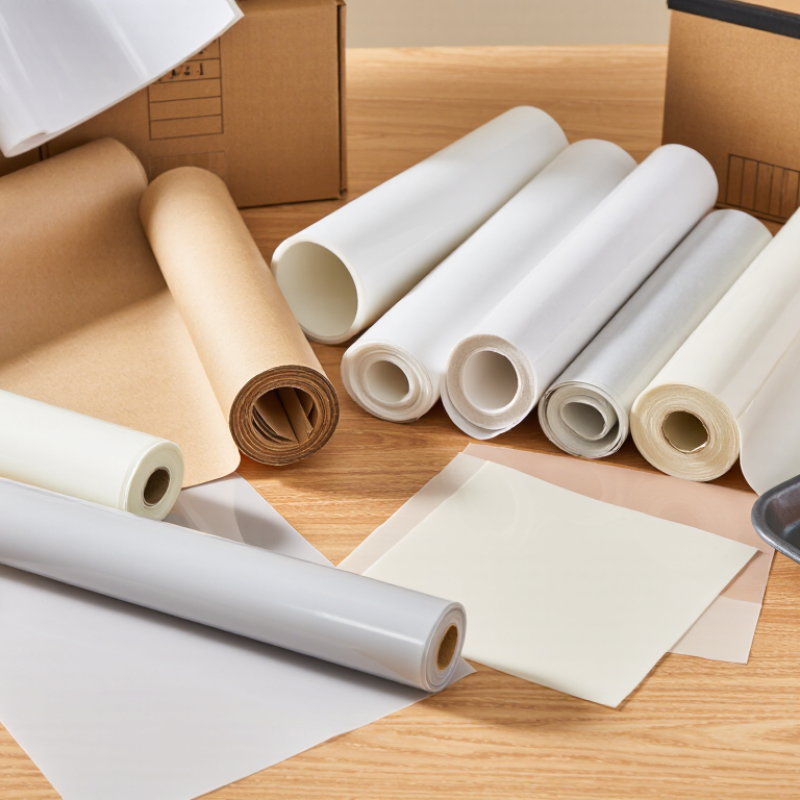
This guide introduces ten practical types for bakeries, food manufacturers, retailers, caterers, and packaging distributors. Each option serves a different working condition. Natural unbleached parchment may suit buyers seeking a simpler appearance. Bleached varieties offer a cleaner white surface for branded presentation. Silicone-coated sheets can release baked goods smoothly, while pre-cut liners may reduce labor during busy production hours.

Details matter. A commercial bakery may need strong sheets that survive handling beside hot trays. A restaurant may prefer small pre-cut pieces for sandwiches or pastry baskets. Industrial users may prioritize roll width, coating uniformity, carton protection, and repeatable delivery. Buyers should also confirm food-contact documentation, intended temperature limits, and regional compliance before placing orders.

Supplier experience helps reveal problems that product photos hide. Curling edges, uneven silicone coverage, weak packaging, and inconsistent sizing can increase waste. Samples should be tested with the buyer’s actual dough, oil level, oven process, and storage conditions. Some recommendations may need adjustment after testing. That is normal.

The following overview compares ten parchment paper types by performance, application, purchasing considerations, and practical limitations. It aims to support careful sourcing decisions, not replace technical verification.
Top 10 Types of Parchment Paper for Global Buyers

What Parchment Paper Is and How It Is Classified

Parchment paper is a cellulose sheet designed to resist sticking, grease, and moderate heat. Modern parchment is not animal skin. It is usually produced from purified wood pulp. A silicone coating creates its nonstick surface. Some sheets are uncoated, but they behave differently in food preparation. The paper may look delicate. It can still support oily pastries and roasted vegetables.

For global buyers, classification begins with the coating. Single-sided sheets suit trays when only one surface touches food. Double-sided sheets offer easier release during repeated handling. Buyers also compare natural brown and bleached white grades. Brown paper has a more fibrous appearance. White paper creates a cleaner visual presentation. Rolls, precut sheets, baking cups, and narrow industrial strips form another practical category. Thickness, width, and roll length affect packing efficiency and labor. Looks can mislead.

Heat rating is essential, but it should not be treated as a universal promise. A supplier’s technical sheet should state temperature limits, food-contact status, basis weight, and coating type. Local rules may require different declarations for importing or selling the same material. In purchasing work, I compare these documents with the intended oven, freezer, or packaging process. A common mistake is assuming thicker paper is always safer. It may only improve strength, not heat performance. Supplier claims still need careful checking.

Top 10 Types of Parchment Paper for Global Buyers

What parchment paper is and how it is commonly classified by coating, material, format, and application.

The chart compares indicative typical basis-weight midpoints in grams per square metre (gsm). Baking and food-contact parchment commonly falls within approximately 35–80 gsm, depending on the paper base, coating, strength, format, and intended use. Actual specifications vary by supplier and market standard.

Ten Major Parchment Paper Types for Different Applications

Top 10 Types of Parchment Paper for Global Buyers

Parchment paper types differ by coating, fiber, format, and heat performance. Grand View Research estimates the global baking paper market will grow steadily through 2030, driven by home baking and foodservice demand.

The ten major types serve distinct applications: bleached parchment for clean presentation; unbleached parchment for rustic packaging; silicone-coated paper for easy release; double-sided coated paper for delicate pastries; pre-cut sheets for bakeries; parchment rolls for flexible sizing; perforated sheets for air circulation; freezer-safe parchment for chilled products; compostable parchment for sustainability goals; and industrial-grade parchment for repeated high-heat use. These categories can overlap. That matters.

Professional buyers should check basis weight, coating uniformity, release strength, and temperature ratings. Smithers’ sustainable packaging research highlights fiber-based materials as a growing replacement for difficult-to-recycle formats.

However, “compostable” does not always mean home-compostable. Certification, local facilities, and disposal instructions require careful verification. For pizza production, perforated sheets can reduce sticking and improve airflow. For confectionery, a smoother silicone surface may protect thin chocolate pieces. Industrial users should request migration and food-contact documentation before approval.

A beautiful sheet is not automatically a safe sheet.

Tips:

Test the paper with your actual dough, oven cycle, and storage conditions. Compare performance after freezing. Some low-cost rolls curl, tear, or leave uneven release. Ask suppliers for batch samples, coating details, and independent test reports. Do not rely on temperature claims alone. Experiences from production lines often reveal weaknesses that laboratory samples miss.

Key Performance Differences Among Parchment Paper Types

Top 10 Types of Parchment Paper for Global Buyers

Parchment paper differs mainly in coating, strength, heat tolerance, and release performance. Natural unbleached, bleached, silicone-coated, and Quilon-coated grades suit different production needs. Silicone-coated paper usually releases sticky foods more reliably, while uncoated grades offer a simpler fiber surface. Pre-cut sheets improve packing speed. Rolls reduce storage waste. Wet-strength, grease-resistant, freezer-safe, and oven-safe varieties add further options. These labels can overlap, so buyers should check technical sheets carefully.

Performance changes at the cooking line. A 40–60 gsm sheet feels light, but a heavier 70–90 gsm grade resists tearing under moist dough. Silicone coating can support cleaner release at high temperatures, yet excessive coating may affect recyclability. TAPPI T559 testing measures grease resistance through a standardized kit rating. Higher ratings generally indicate stronger oil protection, but they do not guarantee perfect release. Small details matter.

FAO’s 2023 forest-products data recorded about 419 million tonnes of global paper and paperboard production, showing the scale of this supply chain. Industry outlooks from Smithers also identify food-contact and packaging performance as major growth drivers. However, broad market data cannot replace factory trials. Humidity, oven airflow, dough sugar, and contact time change results. I have seen a paper pass a dry test and fail with caramelized filling. That is the uncomfortable part. Buyers should request basis weight, coating chemistry, temperature limits, grease-test results, and food-contact compliance documents before selecting a grade.

Top 10 Types of Parchment Paper for Global Buyers - Key Performance Differences Among Parchment Paper Types

No. Parchment Paper Type Basic Construction Release Performance Typical Heat Guidance Grease & Moisture Resistance Main Advantages Typical Applications Key Buying Considerations
1 Bleached Silicone-Coated Parchment White, sulfurized cellulose paper with a food-contact silicone coating. Very high; reliable non-stick performance for most baking products. Commonly rated around 220–230°C; follow the specific product specification. High resistance to fats and moderate resistance to moisture. Clean appearance, easy release, good consumer acceptance. Cookies, pastries, roasting, confectionery and food separation. Check basis weight, silicone coverage, whiteness, roll width and food-contact compliance.
2 Unbleached Silicone-Coated Parchment Natural brown sulfurized cellulose paper with a silicone coating. Very high when coating coverage is uniform. Commonly rated around 220–230°C; actual limits depend on the construction. High grease resistance and good performance with baked foods. Natural appearance, reduced bleaching requirements and strong shelf appeal for eco-focused markets. Baking, roasting, food wrapping and bakery packaging. Verify recycled-content claims, compostability claims and coating chemistry separately.
3 Single-Sided Silicone Parchment Parchment base with silicone applied to one surface only. High on the coated side; limited release on the uncoated side. Often suitable for approximately 220–230°C, subject to product testing. High on the coated side; lower barrier performance on the reverse side. Lower coating consumption and potentially lower cost. Tray lining, interleaving and applications where only one release surface is required. Specify the coated side clearly and use directional packing to prevent installation errors.
4 Double-Sided Silicone Parchment Parchment base coated with silicone on both surfaces. Very high on both sides; excellent for sticky or delicate products. Commonly rated around 220–230°C; confirm the supplier's tested limit. High grease resistance on both sides with improved handling protection. No orientation concern, dependable release and easier converting. Professional baking, confectionery interleaving and high-volume food processing. Usually costs more than single-sided grades; compare coating weight and release test results.
5 Uncoated Vegetable Parchment Sulfurized cellulose paper without an added silicone release layer. Moderate; release depends strongly on the food, moisture and process conditions. Heat suitability varies by grade; obtain a technical data sheet before oven use. Good grease resistance; moisture barrier is generally lower than coated grades. Simple fiber construction and no silicone coating. Wrapping, interleaving, food processing and selected baking uses. Request release trials with the target recipe; do not assume silicone-like performance.
6 Quilon-Coated Parchment Parchment paper treated with a chromium-complex release coating. Good release, although performance may be less forgiving than premium silicone grades. Often used within approximately 200–220°C, but the tested limit must be confirmed. Good grease resistance; moisture performance depends on the base paper. Can provide effective release at a competitive coating cost. Legacy bakery applications and selected food-processing uses. Confirm destination-market restrictions, heavy-metal testing and current food-contact requirements.
7 Pre-Cut Parchment Sheets Bleached or unbleached parchment supplied as ready-to-use flat sheets. Depends on whether the sheet is silicone-coated and whether coating is one- or two-sided. Usually follows the underlying grade, commonly about 220–230°C for silicone grades. Consistent sheet coverage reduces exposed tray areas and leakage risk. Fast setup, consistent dimensions and reduced cutting waste in production. Bakeries, food-service kitchens, retail packs and meal preparation. Specify sheet size, stack count, curl control, packaging format and carton protection.
8 Parchment Paper Rolls Continuous parchment web supplied in rolls for manual or automated cutting. Depends on base grade and silicone coating; generally high for silicone-coated rolls. Common silicone grades are often used around 220–230°C. Good grease resistance; roll edges require protection from humidity and contamination. Flexible sizing, lower packaging per usable area and suitability for automated lines. Industrial baking, food wrapping, die cutting and high-volume converting. Evaluate roll diameter, core size, winding tension, splice policy and machine compatibility.
9 Perforated Parchment Parchment sheets or rolls with regularly spaced holes or perforation patterns. High on solid contact areas; perforations improve airflow but reduce continuous coverage. Follows the base paper and coating; confirm temperature suitability before use. Good grease resistance, with drainage and airflow through the openings. Improves air circulation and can support crisping in suitable baking or air-frying processes. Air-fryer liners, perforated baking sheets and selected food-processing operations. Match hole size, open area, sheet stability and pan dimensions to the equipment.
10 Wet-Strength Parchment Parchment engineered with increased resistance to wet handling, often with specialized fiber or sizing treatment. Varies from moderate to high; release coating may be added when non-stick performance is needed. Temperature rating is grade-specific; obtain validated oven and process data. Better wet handling than standard grades; liquid barrier still depends on coating and grammage. Improved dimensional stability and tear resistance in damp or chilled processes. Meat and seafood interleaving, chilled foods, moist bakery products and food processing. Check wet tensile strength, absorbency, freezer performance and regulatory suitability for the intended food.

Note: Temperature ranges and performance descriptions are general industry guidance. Actual results depend on basis weight, fiber composition, silicone or release-coating coverage, oven conditions, food formulation and contact time. Always confirm the supplier's technical data sheet, food-contact documentation and destination-market requirements.

How Global Buyers Can Select the Right Parchment Paper

Global buyers should select parchment paper by application, not appearance alone. A bakery lining croissants needs different performance from a confectionery wrapping small pieces. Start with the coating type. Silicone-coated paper releases food cleanly and resists grease. Single-sided grades can reduce costs when one surface contacts food. Double-sided grades suit sticky dough and repeated handling. Uncoated cellulose paper may fit dry products, but it absorbs oil quickly.

Check heat resistance against the actual oven process, including short temperature spikes. Ask suppliers for technical data, food-contact declarations, basis weight, and size tolerances. A 40–60 gsm sheet feels different from a heavier industrial grade. Test tear strength with wet hands, not only in laboratory conditions. In practical trials, attractive sheets may wrinkle around chilled butter. That small failure can slow packing lines.

Moisture resistance matters during sea transport. Use sealed packaging and inspect inner cores for humidity damage. For compostable or recyclable claims, verify the coating and destination-market rules. These claims are not interchangeable. Request migration testing and batch consistency records. Recheck samples after storage, because paper can change slightly with humidity. Buyers should challenge their own assumptions. Lowest price is rarely the lowest operating cost.

International Standards, Packaging, and Sourcing Considerations

Top 10 Types of Parchment Paper for Global Buyers

International buyers may encounter bleached, unbleached, silicone-coated, grease-resistant, wet-strength, baking, wrapping, sheet, roll, and compostable parchment paper. Each type needs a different purchasing checklist. Food-contact compliance is not optional. In the European Union, suppliers should provide evidence under Regulation (EC) No 1935/2004 and Good Manufacturing Practice Regulation (EC) No 2023/2006. In the United States, applicable food-contact requirements may include 21 CFR 176.170. Requirements can vary by food, temperature, and contact duration. That detail is often underestimated.

The Food and Agriculture Organization recorded approximately 417 million tonnes of global paper and paperboard production in 2022. This scale makes fiber origin and recycled content important sourcing questions. Ask for chain-of-custody records, migration testing, silicone specifications, basis weight, and moisture-barrier data. Packaging should protect rolls from humidity, crushing, dust, and odor transfer. Export cartons need stable pallets and clear lot identification. International packaging certification, such as BRCGS Packaging Materials or ISO 22000-linked controls, can strengthen supplier evaluation. Certification alone is not proof of performance, however.

Tips: Request a recent certificate of analysis and food-contact declaration. Test the actual paper with your recipes and oven conditions. A cheaper grade may curl, tear, or release poorly. I would not accept “compostable” claims without checking the destination market’s testing rules. Small gaps remain. Humidity, coating weight, and transport time can change results more than expected.