Top 10 Wear Resistant Solid Wheels for Global Buyers?
Wear resistant solid wheels play a crucial role in various industrial applications. Their durability and strength make them essential for transportation, logistics, and manufacturing. Choosing the right wheel can significantly enhance efficiency and reduce maintenance costs. However, not all products in this category are created equal.
When evaluating wear resistant solid wheels, buyers must consider several factors. These include material composition, wheel design, and load capacity. Brands that offer high-quality wheels often have established reputations in the industry. It’s essential to do thorough research to identify the best options available.
In the market, there are numerous styles and manufacturers to explore. Each option comes with specific advantages and disadvantages. This landscape can be overwhelming for global buyers. By focusing on the top 10 wear resistant solid wheels, we aim to simplify the decision-making process. This guide will highlight leading selections based on performance, user feedback, and proven reliability.
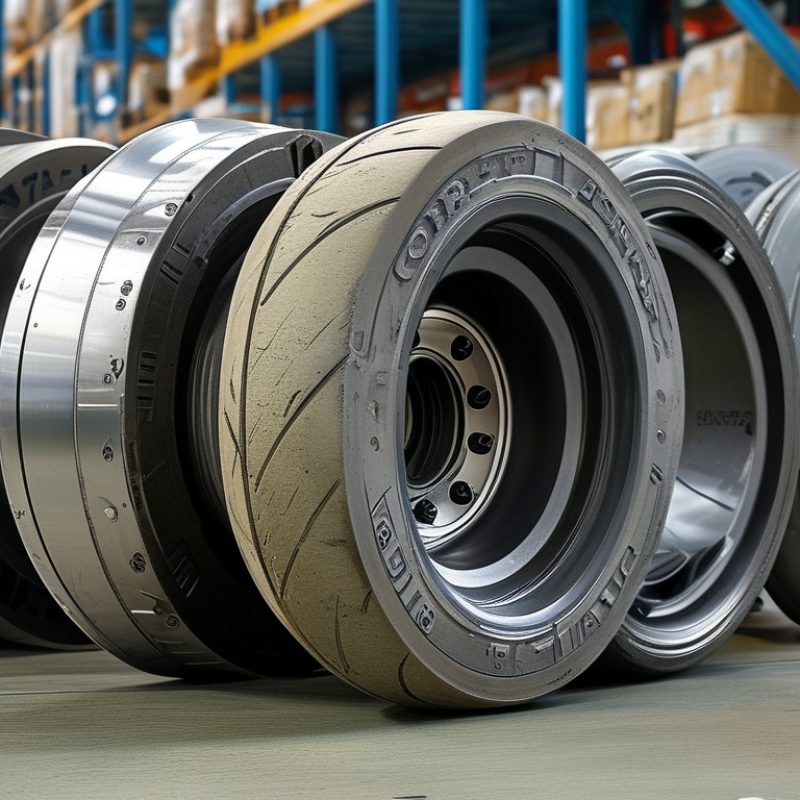
Overview of Wear Resistant Solid Wheels and Their Importance
Wear-Resistant Solid Wheels play a crucial role in various industrial applications. These wheels contribute to smoother operations and increased safety in environments where heavy loads are common. Reports indicate that equipment failures due to wheel wear can lead to significant downtime. Industry statistics highlight that companies lose approximately 5% of their operational efficiency to equipment-related issues. Thus, investing in high-quality solid wheels is essential.
The choice of material affects the durability and performance of these wheels. Common materials include polyurethane, which offers resilience against abrasions, and rubber, known for its shock-absorption qualities. Research shows that wheels made from advanced composites can last up to 30% longer than traditional options. However, some users overlook the importance of wheel selection based on specific operational demands. Inadequate attention to load type and environmental conditions can lead to premature wear and costly replacements.
Understanding the specifics of wear-resistant solid wheels is integral to maximizing efficiency. Accurate load ratings can prevent mishaps. Studies suggest that proper wheel sizes can improve maneuverability. Yet, many companies fail to regularly assess their equipment, leading to inefficiencies. Investing in the right wheels can enhance performance and significantly reduce maintenance costs over time.
Key Features to Look for in Wear Resistant Solid Wheels
When selecting wear-resistant solid wheels, key features are essential for optimal performance. Material quality significantly affects durability. Look for materials such as rubber, polyurethane, or specially formulated plastics. These materials should resist cuts, abrasions, and deformation. Different environments might require different material types. Ensure you consider your specific application.
Load capacity is another crucial feature. Knowing the maximum weight your wheels can handle prevents excessive wear and tear. Underestimating this can lead to premature wheel failure. It's important to choose wheels that exceed your expected load requirements for safety and longevity.
Tread design also plays a role in performance. Wheels with patterns can provide better traction and maneuverability. A smoother tread may suit flat surfaces, while rugged designs benefit uneven terrains. Evaluate your surface and movement needs carefully.
When choosing wheels, check reviews and seek advice from industry experts. Real-world feedback often highlights hidden issues or confirms performance claims. This practice can save time and money. Aim for wheels that fit your needs while being aware of limitations.
Top Brands and Manufacturers of Solid Wheels Worldwide
When considering wear-resistant solid wheels, it's essential to explore the leading brands and manufacturers globally. These companies stand out for their robust engineering and innovation. They create wheels designed to endure heavy use. Many utilize advanced materials that resist wear and tear effectively. This attention to detail ensures longevity and optimal performance.
The market is filled with choices, yet not all manufacturers meet high standards. Buyers must seek out companies with a proven track record. Some brands excel in producing wheels for specific applications, such as warehouses or industrial settings. Their expertise allows them to cater to diverse needs, emphasizing efficiency and safety in demanding environments.
While many brands boast quality, the challenge is to distinguish those that truly deliver. Some manufacturers may cut corners to reduce costs. This can lead to subpar products that don’t hold up over time. Research is crucial in finding reliable options, as is reading customer reviews. Insights from real-world users often highlight both strengths and weaknesses in solid wheels.
Comparative Analysis of the Top 10 Wear Resistant Solid Wheels
Wear-resistant solid wheels are essential components in various industries. Their durability impacts efficiency significantly. In this comparative analysis, we explore the leading options available globally. Each wheel has distinct features tailored to specific applications. Understanding these differences can help make informed decisions.
One crucial factor to consider is the material composition of these wheels. Some are made from advanced rubber blends, offering excellent grip. Others utilize high-density plastics, ensuring lightweight and lasting performance. However, the choice isn't always clear-cut. For instance, some rubber wheels may wear faster on abrasive surfaces, while rigid options can lead to vibration issues on uneven terrain.
Another aspect to note is the weight and load capacity. Heavier wheels can handle more robust operations, but they may not be ideal for all tasks. Balancing weight with functionality often requires careful evaluation. Many users report mixed experiences due to overestimating these factors. The importance of thorough testing cannot be overstated. Identifying the right wheel involves navigating these nuances and recognizing potential limitations. Buyers should approach the selection process with a critical eye.
Top 10 Wear Resistant Solid Wheels - Comparative Analysis
| Rank | Wheel Diameter (inches) | Load Capacity (lbs) | Material | Hardness (Shore A) | Price Range (USD) |
| 1 | 5 | 600 | Polyurethane | 95 | 50-70 |
| 2 | 6 | 800 | Rubber | 85 | 40-60 |
| 3 | 4 | 400 | Nylon | 90 | 30-50 |
| 4 | 8 | 1000 | Polyolefin | 80 | 60-80 |
| 5 | 7 | 750 | TPR | 92 | 45-65 |
| 6 | 5.5 | 500 | Vulcanized Rubber | 88 | 35-55 |
| 7 | 9 | 900 | Steel | 70 | 70-90 |
| 8 | 10 | 1200 | Cast Iron | 60 | 80-100 |
| 9 | 6.5 | 650 | Polyurethane Foam | 91 | 55-75 |
| 10 | 4.5 | 350 | PVC | 75 | 20-40 |
Applications and Uses of Wear Resistant Solid Wheels in Industries
Wear resistant solid wheels play a crucial role in various industrial applications. These wheels are essential for equipment that undergoes constant friction and pressure. They are commonly used in material handling, transportation, and precision machinery settings. In manufacturing, these wheels can enhance efficiency by reducing downtime due to wear. Their durability enables them to withstand extreme conditions without frequent replacement. This can lead to significant cost savings for industries.
Many industries rely on these wheels for automation and mobility. In warehouses, they help transport goods swiftly. In construction, they are vital for heavy machinery. Despite their advantages, choosing the right wheel requires careful consideration. Factors like load capacity and environmental conditions must be evaluated. Sometimes, buyers may overlook specific requirements. Thus, understanding the application context is necessary for optimal performance.
Wear resistant solid wheels also come with limitations. For instance, they may not be suited for all surfaces. Regular maintenance checks can help identify issues early on. Proper inspection ensures safety and longevity. These wheels can be an asset, but only when matched correctly to their intended use. Each industry has unique challenges, which need thoughtfulness in selection.
Top 10 Wear Resistant Solid Wheels - Applications and Uses in Industries