What are the Best Waste Water Tanks for Global Buyers?
In the quest for sustainable solutions, choosing the right waste water tank is essential. Experts like Dr. Emily Foster, a renowned environmental engineer, emphasize the importance of quality. She states, "The right waste water tank can significantly impact both efficiency and environmental safety."
The global market offers various options, yet each comes with its pros and cons. Buyers must evaluate materials, sizes, and intended uses carefully. A misstep in selection can lead to costly repairs or environmental concerns. Many buyers overlook these factors, prioritizing cost over quality.
Understanding your needs is crucial. Are you looking for a tank for residential or industrial use? Each scenario demands different specifications. It's wise to research extensively and consult experts to find the most suitable waste water tank. The right choice not only supports environmental standards but also enhances functionality.
Overview of Waste Water Tanks and Their Importance
Wastewater tanks play a crucial role in managing sewage and ensuring environmental safety. These tanks collect and store wastewater, allowing for proper treatment before disposal or reuse. Their importance cannot be overstated. They prevent pollution and protect water supplies, contributing to public health and ecosystem stability.
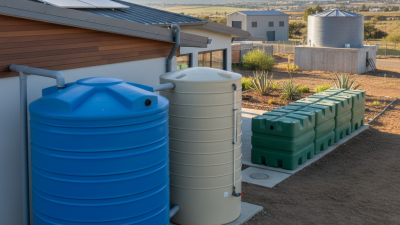
Understanding the types of wastewater tanks is essential for global buyers. Options range from fiberglass to concrete tanks. Each material has pros and cons. For example, fiberglass tanks are lightweight and resistant to corrosion. Concrete tanks, on the other hand, are durable but can cost more. Buyers must assess their specific needs.
Tips: When selecting a tank, consider the local climate. Ensure the material can withstand temperature changes. It’s also vital to evaluate the tank's size based on usage. Overestimating needs may lead to unnecessary expenses. Moreover, regular maintenance is necessary to prevent leaks and structural failures. Small inspections can save future costs and improve tank longevity.
Types of Waste Water Tanks Available for Global Buyers
Waste water tanks come in various types, each designed for specific needs. One common type is the septic tank. These tanks treat waste water on-site, separating solids from liquids. They are ideal for rural areas without centralized sewage systems. However, maintenance can be a challenge. Regular pumping is necessary to prevent overflow and costly repairs.
Another option is industrial waste water tanks. These are larger and built to handle heavy loads. They often feature advanced treatment systems, ensuring compliance with environmental regulations. However, their installation can be complex and expensive. Proper training is critical for operators to manage these systems effectively.
Transportable tanks provide flexibility for temporary solutions. They can be easily moved and set up as needed. Their versatility is a plus, but they may lack the durability of permanent installations. Choosing the right waste water tank requires careful consideration of site specifics, local regulations, and long-term maintenance needs.
Key Features to Consider When Choosing Waste Water Tanks
When selecting waste water tanks, key features play a crucial role. First, consider the tank material. Common materials include polyethylene, fiberglass, and concrete. Each material has its pros and cons. For instance, polyethylene tanks are lightweight but less durable than concrete options. Assess your specific needs carefully.
Another important factor is tank size. Sizing depends on your intended usage. A residential unit typically requires a smaller tank, while commercial needs may call for larger capacities. It’s essential to accurately estimate the volume of waste water generated to avoid overflow issues.
Don’t overlook the design features. Look for tanks that allow for easy access for cleaning and maintenance. Also, check for built-in safety mechanisms, like alarms for high levels. These features can greatly enhance reliability and prevent costly spills. Reflecting on these aspects ensures a better choice, leading to longer-lasting performance.
Waste Water Tanks Features Comparison
Top Brands and Manufacturers of Waste Water Tanks Worldwide
When choosing waste water tanks, buyers must consider several key factors. The market is filled with numerous brands claiming superiority. Evaluating performance, longevity, and material is crucial. Not every tank meets global health and safety standards. A reliable tank should resist corrosion and withstand harsh conditions. Quality issues might arise in cheaper products, leading to potential failures.
Leading manufacturers often emphasize innovation and eco-friendliness. These brands tend to invest in research and development, ensuring their tanks meet evolving industry standards. However, some consumers might overlook the importance of after-sales support. A solid warranty can be a significant indicator of quality. Buyers should ensure that the manufacturer provides adequate service and parts availability.
It's also essential to examine customer reviews and experiences. Many buyers report mixed feelings about specific products. Some tanks may perform well initially but fail later. This inconsistency can lead to operational challenges. Gaining insights from other customers can help in making informed decisions. In this complex landscape, knowledge and research are vital for selecting the right waste water tank.
Sustainability and Regulations in Waste Water Tank Selection
When selecting waste water tanks, sustainability plays a crucial role. Recent studies show that over 80% of global water sources are affected by pollution. Regulations are tightening as countries strive for cleaner water. Proper tank material is essential. Tanks made from HDPE and fiberglass have shown better resistance to corrosion and longer lifespan, according to industry reports.
Compliance with local regulations is another critical factor. Many regions enforce strict guidelines on tank design and wastewater treatment. The International Water Association indicates that non-compliance can lead to fines exceeding $100,000. Buyers should prioritize tanks that meet these standards to avoid potential risks. Flexibility in design often helps adapt to varying local conditions.
Some tanks have limited capacity or issues with installation in diverse environments. However, innovations in tank design are addressing these challenges. There are options that allow for modular installations, which can be particularly beneficial in urban settings. Gathering data on local regulations and understanding environmental impact should be integral to purchasing decisions. An informed choice in tank selection can significantly influence sustainability efforts and compliance outcomes.
What are the Best Waste Water Tanks for Global Buyers? - Sustainability and Regulations in Waste Water Tank Selection
| Tank Material |
Capacity (Liters) |
Sustainability Features |
Compliance Standards |
Average Cost (USD) |
| Polyethylene |
1,000 |
Recyclable, UV Resistant |
ISO 9001 |
$800 |
| Steel |
2,500 |
Durable, Recyclable |
UL Listed |
$1,200 |
| Fiberglass |
5,000 |
Corrosion Resistant, Light Weight |
ASTM Compliant |
$2,000 |
| Concrete |
10,000 |
Natural Insulation, Long Lifespan |
AASHTO Standards |
$3,500 |
| PVC |
750 |
Lightweight, Easy Installation |
CE Marked |
$600 |