Top Oil Tanks for Global Buyers What to Consider?
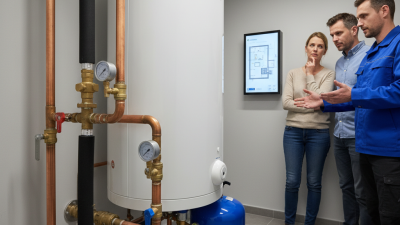
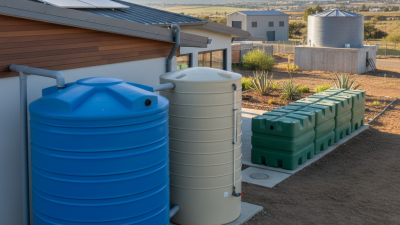
When considering the purchase of oil tanks, global buyers face many critical factors. The type of materials used in oil tanks significantly impacts durability and safety. Tanks made of steel are often favored for their strength. Yet, they can be prone to corrosion. On the other hand, composite materials offer lightweight options but may lack long-term reliability. Thus, a buyer must weigh these pros and cons.
Capacity is another key factor. Choosing the right size is crucial for meeting operational needs. An inadequately sized tank can lead to inefficiencies and cost overruns. Moreover, transportation regulations vary by region. Buyers must understand these rules to ensure compliance during transit. Knowledgeable suppliers can provide essential insights, making their expertise invaluable.
In the dynamic oil market, the right decisions are vital. Potential buyers should also pay attention to installation parameters. Improperly installed tanks can lead to leaks or spills. Hence, rigorous evaluations and certifications are essential. While the journey in selecting oil tanks can be complex, informed choices will lead to better outcomes. Understanding these nuances remains imperative for a successful investment.
Top Oil Tanks for Global Buyers: Key Features and Specifications
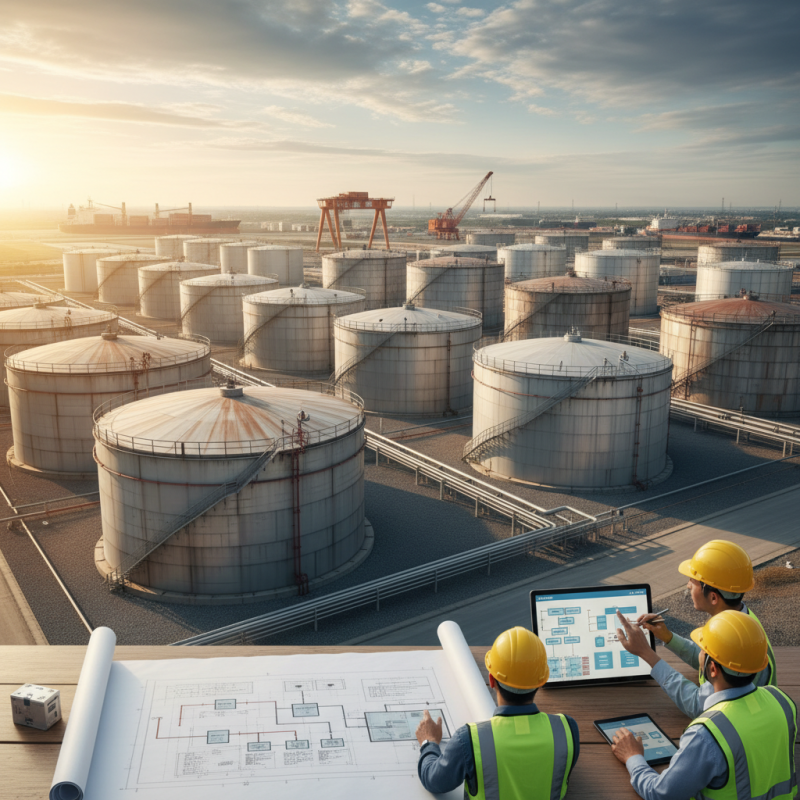
When selecting oil tanks for global use, several key features and specifications demand attention. The material of the tank is crucial. Common materials include carbon steel and fiberglass. Each offers distinct benefits in terms of durability and resistance to corrosion. Buyers should assess the long-term implications of their material choice.
Capacity is another essential factor. Tanks range vastly in size. Ensure your choice aligns with storage needs, but be mindful of local regulations regarding tank size. Overestimating your requirements might lead to unnecessary costs and compliance issues. Remember, it’s better to plan for the future rather than scramble for adjustments later.
**Tip:** Always check for certifications and safety standards. Compliance can save you from legal troubles down the line.
Moreover, ease of installation shouldn't be overlooked. Some tanks are designed for quick setup, which can reduce labor costs. However, complexity might arise with larger, more sophisticated systems. Consider your team's expertise when choosing a tank. Balancing features with user friendliness is essential.
**Tip:** Consult with industry experts. They can provide insights tailored to your specific context and minimize uncertainties in your decision-making process.
Top Oil Tanks Specifications
This chart illustrates the storage capacity and operational pressure of various types of oil tanks favored by global buyers.
Understanding Different Types of Oil Tanks and Their Uses
When considering oil tanks, it's crucial to understand their different types and uses. The three primary categories include above-ground tanks, underground tanks, and portable tanks. According to a recent report by Grand View Research, the global oil storage market is projected to grow at a CAGR of 4.23% from 2021 to 2028. This growth emphasizes the importance of selecting the right type of tank for specific needs.
Above-ground tanks are easily accessible. They generally hold larger quantities and can be monitored closely. However, they are vulnerable to environmental factors. On the other hand, underground tanks offer increased protection from weather conditions. They can help mitigate leak risks but require regular inspections to ensure integrity and compliance. Portable tanks are ideal for temporary storage, often utilized in construction or emergency situations. Proper selection depends on factors like location, storage capacity, and local regulations.
Tips: Assess the purpose of your oil storage. What will you be using it for? Ensure that your choice aligns with your operational needs. Regular maintenance is vital. Check for leaks and ensure that all components meet safety standards. Keeping records of inspections can help in audits and compliance checks. Balancing cost versus safety is often challenging but essential for long-term operations.
Factors to Consider When Selecting Oil Tanks for Your Needs
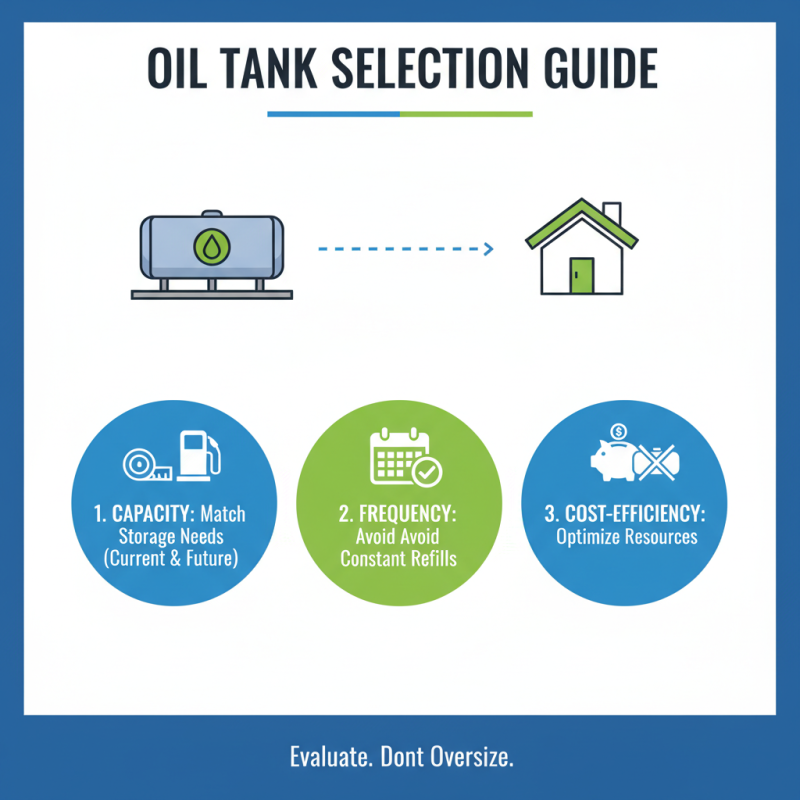
When selecting oil tanks, several factors come into play. One of the key considerations is capacity. Understanding your storage needs is crucial. A tank that is too small may lead to frequent refills, while an oversized tank can be a waste of resources. Evaluate your current and future requirements for accuracy.
The material of the tank is another essential aspect. Tanks made from different materials have distinct lifespans and durability. Steel tanks are known for their strength, but they may corrode over time. On the other hand, plastic tanks are lightweight and resistant to rust, but they might not be suitable for all environments. Consider where and how you will install the tank.
Lastly, think about regulatory compliance. Various regions have regulations regarding oil tank installations. Being unaware of these can lead to costly mistakes or legal issues. It’s advisable to consult with experts familiar with local laws. This step is often overlooked but is crucial for a successful installation and usage period.
Evaluating Supplier Credentials and Industry Standards
When purchasing oil tanks, evaluating supplier credentials is crucial. Buyers should check if suppliers adhere to industry standards. This helps ensure quality and safety. Do they have the necessary certifications? Are they compliant with regulations? These are essential questions to ask.
Tips: Always verify the background of suppliers. Look for customer reviews and industry reputation. Reliable suppliers often have a solid track record. Transparency is key. A good supplier will provide clear information on their practices and materials.
Additionally, prioritize suppliers with experience. An established supplier understands the nuances of the industry. They should provide details about their manufacturing processes and safety protocols. Ask about their approach to sustainability and innovations. This reflection on their methods can reveal their commitment to quality. Being informed can lead to better purchasing decisions.
Cost Analysis: Budgeting for Oil Tank Purchases and Maintenance
When considering the purchase of oil tanks, budgeting is a critical factor. The initial cost is just one piece of the puzzle. Buyers need to evaluate installation expenses, which can vary widely based on location and tank size. Shipping costs might add up, especially if the tank needs to come from far away. It's crucial to factor in these additional expenses early in the decision-making process.
Maintenance also plays a significant role in long-term budgeting. Regular checks are essential for safety and efficiency. Routine inspections can prevent costly repairs. Depending on the tank’s usage, maintenance costs might fluctuate. These can range from minor adjustments to major overhauls. Ignoring these can lead to unexpected expenses down the line. Moreover, researching best practices for oil tank care can save money in the long term.
Unexpected issues often arise. Factors like environmental regulations can impose extra costs as well. Being prepared for potential changes in compliance requirements is wise. Buyers should not underestimate the financial commitment that comes with owning and maintaining oil tanks. Understanding the full scope of costs will lead to more informed decisions.