Top Fuel Tanks for Efficient Storage Solutions?
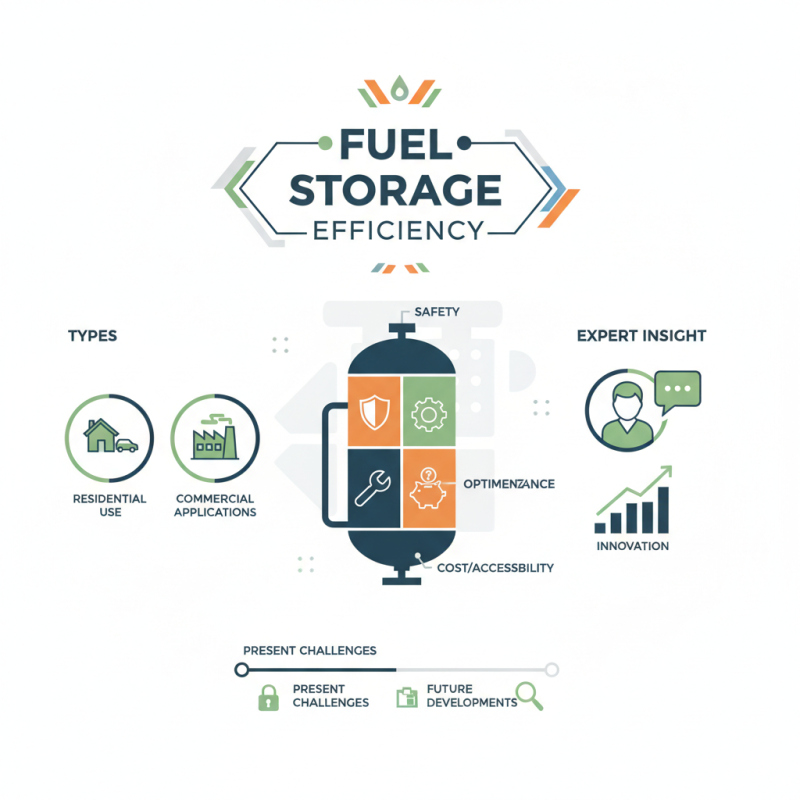
In the realm of efficient storage solutions, fuel tanks play a vital role. Experts agree on their importance. John Carter, a leading consultant in the fuel storage sector, states, "The right fuel tank can maximize both safety and efficiency." This highlights the significance of choosing the best options available.
Different fuel tanks cater to diverse needs. From residential use to commercial applications, selecting the appropriate design is crucial. Quality tanks ensure longevity and secure storage. However, consumers often overlook maintenance. Regular inspections are necessary to prevent leaks and other hazards.
While there are many innovations in the fuel tanks industry, challenges remain. Accessibility and affordability are two pressing issues. Some customers struggle to find tanks that meet their budget without sacrificing quality. As the market evolves, addressing these concerns will be key to improving storage solutions.
Top Fuel Tank Types: An Overview of Storage Solutions
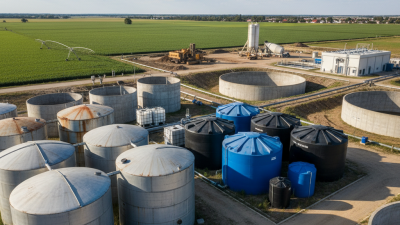
When considering fuel tank types, it’s crucial to recognize the diverse options available. Aboveground tanks are a common choice due to their accessibility for inspections. These tanks can be easily monitored for leaks and damage. They often come in different sizes, accommodating both residential and commercial needs. However, exposure to the elements can lead to rust or corrosion, requiring regular maintenance.
Underground tanks present another solution. They provide discreet storage and reduce safety risks related to spills. Installation can be complex, involving excavation and regulatory permits. While they save space, they can be challenging to monitor for leaks. Regular checks are essential to ensure safety and compliance. Each type has benefits and drawbacks that users must consider carefully.
Additionally, portable tanks offer flexibility for temporary storage. These tanks can be easily moved based on project needs. Yet, portability can mean less stability compared to fixed options. Users should ponder the trade-offs before deciding. Understanding these nuances is key to making informed choices that best fit specific storage requirements.
Key Factors in Choosing Efficient Fuel Tanks for Your Needs
Choosing the right fuel tank requires careful consideration. The efficiency of storage solutions depends on various factors. First, assess the tank’s material.
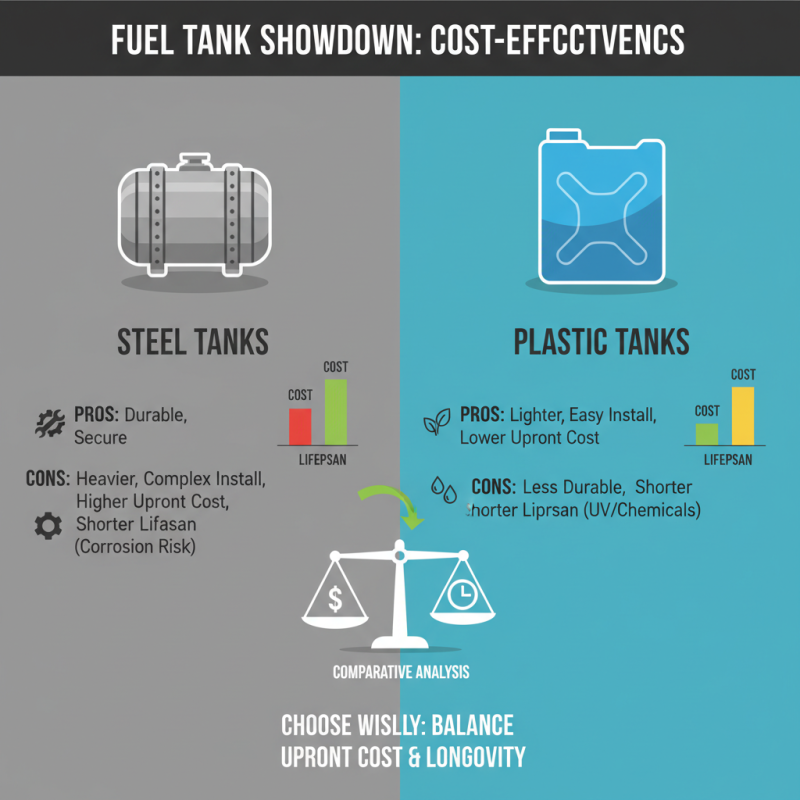
Steel and plastic options have distinct benefits. Steel offers strength and durability, while plastic is lighter and resistant to corrosion. Each material impacts the tank's lifespan and maintenance needs.
Size and capacity are also critical. A larger tank can fulfill higher demand, but can be impractical in limited spaces. Assess your actual fuel consumption to determine ideal size. Additionally, consider venting systems for safety. Proper ventilation prevents pressure build-up and ensures effective fuel storage.
Cost should not overshadow quality. Cheaper tanks may lead to long-term expenses due to leaks or structural failures. Research the tank’s certifications and compliance standards. Reliable tanks adhere to industry regulations, ensuring safety and performance. Reflect on your specific needs and environment to tailor your choice. This thoughtful approach can lead to effective and efficient fuel storage solutions.
Industry Standards: Compliance and Safety Regulations for Fuel Storage
Fuel storage is critical for various industries. Compliance with safety regulations is essential. This involves proper tank design, location, and maintenance. Industry standards are established to reduce risks associated with fuel storage. Regular inspections are necessary to ensure integrity and safety.
Operators must be familiar with local and federal regulations. These rules often cover the types of materials used in tank construction. For example, tanks should be made from reliable, tested materials. Inadequate attention to detail can lead to significant hazards. Regular training for staff is crucial to maintain safety standards.
Emergency protocols must be in place. In case of a spill or leak, immediate action can prevent environmental damage. However, many facilities still lack adequate response plans. Continuous improvement in safety measures is essential. Each incident should serve as a learning opportunity for future practices.
Comparative Analysis: Cost-Effectiveness of Different Fuel Tanks
When considering fuel storage solutions, the cost-effectiveness of different types of fuel tanks is crucial. Various materials and designs affect both the upfront investment and long-term operational costs. Steel tanks, while durable, tend to be heavier and more complex to install. In contrast, plastic tanks are lighter and easier to handle. However, they may not have the same lifespan.
Moreover, maintenance and efficiency play a significant role in expense calculation. Tanks requiring frequent inspections or repairs can diminish financial savings. The absorption of price fluctuations in materials also impacts overall costs. It's essential to weigh these factors against individual storage requirements.
The choice of a fuel tank should not only focus on initial costs. Long-term implications of fuel type and usage patterns must be considered. For instance, certain tanks perform better with specific fuels but may limit flexibility for future upgrades. This reflects the importance of thorough analysis and planning before making an investment. An informed decision today can prevent costly regrets later.
Emerging Trends in Fuel Tank Technology and Environmental Impact
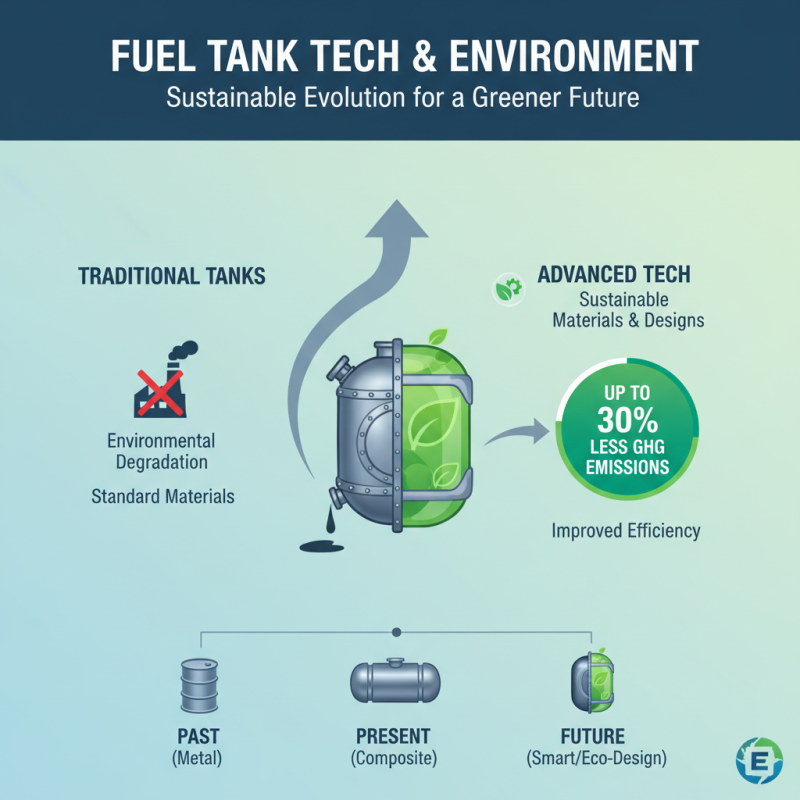
The evolution of fuel tank technology has prioritized sustainability and efficiency. Recent studies indicate that advanced materials and designs could reduce greenhouse gas emissions by up to 30%. This represents a significant improvement, as traditional fuel tanks often contribute to environmental degradation.
One emerging trend is the integration of smart technologies in fuel tanks. These innovations include monitoring systems that track fuel levels and detect leaks in real-time. Industry reports suggest that these systems can decrease fuel loss by 15%, enhancing overall efficiency. However, the cost of implementing such technology can be a barrier for smaller operators.
Another concern involves the lifecycle impact of fuel tanks. Many products still rely on non-recyclable materials, leading to substantial waste. A 2022 report revealed that about 40% of fuel tanks end up in landfills. There is a pressing need to develop recyclable alternatives. Continuous improvements in material science could make this possible, but industry-wide adoption remains slow.