Best Water Storage Tanks for Every Need and Budget?
Water storage tanks play a crucial role in managing water supply for households and businesses. According to a report by the Water Quality Association, about 85% of U.S. homeowners rely on some form of water storage system. Expert analysts, like Dr. Emily Carter, emphasize the importance of choosing the right tank. She states, "Investing in the right water storage is essential for ensuring sustainable water access."
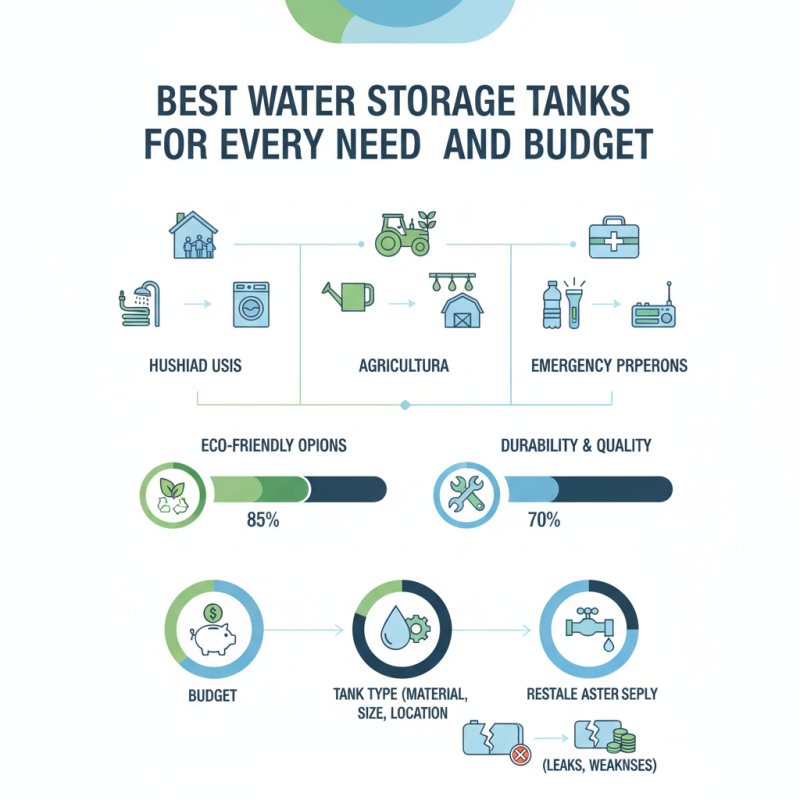
With a wide range of materials and designs available, it can be challenging to select the perfect tank. Whether for domestic use, agriculture, or emergency preparedness, understanding the specific needs is vital. Factors like tank size, location, and purpose influence decisions. Companies offering water storage solutions report a growing demand for eco-friendly options, reflecting a shift in consumer preferences.
However, many consumers overlook the potential for leaks and structural weaknesses in lower-quality tanks. It is essential to balance budget constraints with long-term durability. A well-informed choice can prevent costly repairs and ensure consistent water supply.
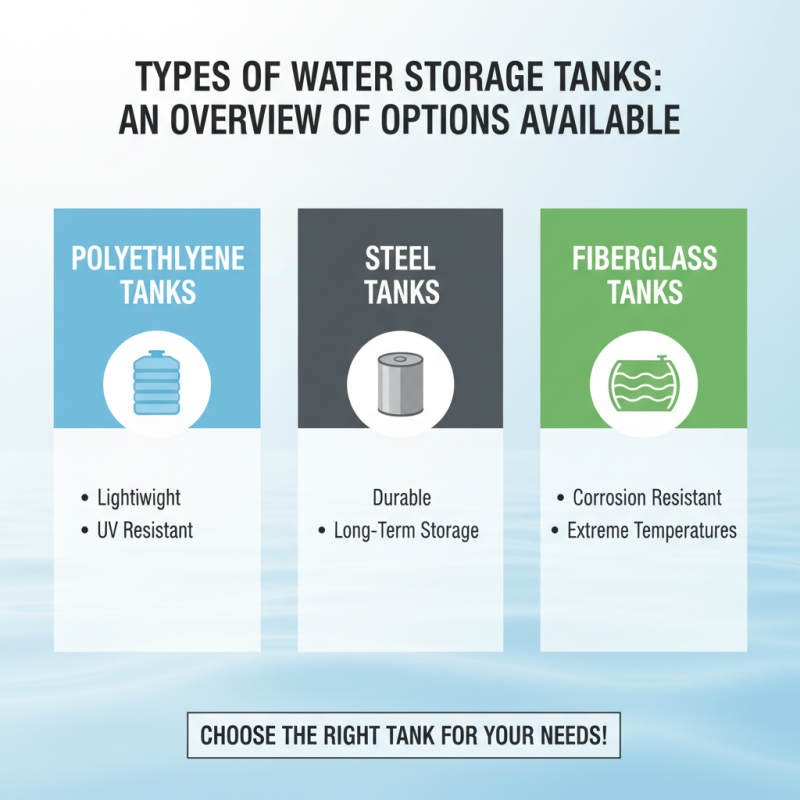
Types of Water Storage Tanks: An Overview of Options Available
When choosing a water storage tank, it’s crucial to understand the options available. Various types serve different needs. For instance, polyethylene tanks are lightweight and resistant to UV rays. Steel tanks, on the other hand, offer durability and are ideal for long-term needs. Fiberglass tanks resist corrosion and can handle extreme temperatures.
Tips: Consider your water source and usage. This impacts size and material choice. Assess your local climate too, as it affects tank performance.
There are also bladder tanks. These flexible options are great for temporary storage. They can fit in tight spaces but may have limitations in terms of durability. Rainwater harvesting systems often use them, providing an eco-friendly alternative. Another option is concrete tanks, favored for their sturdiness. They require a larger upfront investment but excel in longevity.
Tips: Conduct a thorough site evaluation. This can prevent issues later on. Ensure that your selected tank meets local regulations and safety standards.
Factors to Consider When Choosing a Water Storage Tank
Choosing the right water storage tank requires careful consideration of several factors. First, determine the purpose of the tank. Are you storing water for irrigation, drinking, or industrial use? Each purpose may require different materials and sizes. For instance, tanks for potable water must comply with health standards. Non-potable tanks may have more material options.
Next, consider the size and space available. Large households may need tanks with higher capacities. However, space restrictions can limit your choice. Measure the area where you plan to install the tank. Don’t forget about accessibility for maintenance and filling. A poorly placed tank can make access challenging and inconvenient.
Material is another critical factor. Some tanks are made of plastic, while others are steel or concrete. Plastic tanks are lightweight and easy to install but may not be as durable. Steel tanks last longer but are heavier and can corrode over time. Reflect on your environment. A humid or coastal area could mean needing rust-resistant materials. Lastly, consider your budget. Balancing initial costs with long-term durability may lead to better investment choices.
Budget-Friendly Water Storage Tank Options for Homeowners
When considering water storage tanks, homeowners can often face budget constraints. According to a 2021 industry report, the average cost of residential water tanks ranges from $200 to $2,400, depending on size and material. Options like polyethylene tanks provide an affordable solution, typically costing between $300 and $800. These tanks are durable and resistant to UV rays, making them ideal for various climates.
It’s essential to assess your water needs and the available space. A smaller tank may suffice for limited usage, but larger households might require upwards of 1,000 gallons. It's crucial to plan for future growth and usage patterns. Investing too little can lead to inconvenient shortages.
**Tip:** Inspect any potential tank for safety seals and warranties. Compare different sizes to find the right balance between cost and capacity. Lastly, ensure the installation area is accessible to avoid additional service costs later on. Understanding your needs can save you money and hassle in the long run.
Premium Water Storage Solutions: Features and Benefits
When considering premium water storage solutions, durability is key. High-quality tanks are often made from robust materials to resist corrosion and UV damage. This means your investment lasts longer, providing peace of mind for your water supply.
Flexibility is another significant advantage. Premium tanks come in various sizes and shapes. This allows homeowners and businesses to choose models that fit their available space. Additionally, many modern tanks feature advanced insulation. This keeps water temperatures stable, which can be crucial in regions with extreme weather.
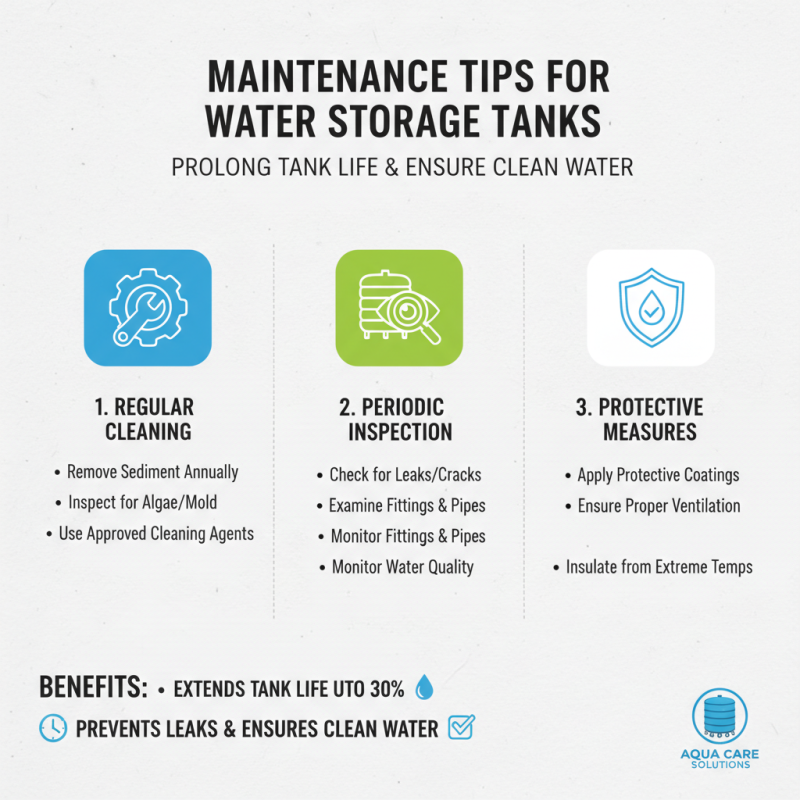
Incorporating features like built-in filtration systems is also becoming popular. These systems improve water quality and ensure safety. However, it's essential to remember that premium tanks can be costly. Not every model is accessible for all budgets, and maintenance should not be overlooked. Regular checks are necessary to ensure longevity and performance. Balancing quality and cost can be challenging. But a thoughtful investment can lead to substantial benefits.