Search

10 Best Water Tanks for Home and Commercial Use

A dependable water tank is easy to overlook until a dry tap, a leaking seam, or a sudden change in water quality makes it essential. The right choice depends on more than capacity. Household use, business demand, available space, local climate, and the stored water’s intended purpose all matter. A compact polyethylene tank may suit a garden or small home. A large steel or concrete system may better serve a farm, workshop, or commercial site. Details count.

Water-resource expert Peter Gleick has noted, “The world is not running out of water, but it is running out of clean water.” That reminder makes tank selection a practical health and reliability decision, not simply a shopping exercise. Check the tank’s material, stated capacity, installation requirements, access for cleaning, and compatibility with potable water where relevant. Ask how the system handles sunlight, temperature changes, and routine maintenance. A low price can look appealing. It may not tell the whole story.

This guide compares 10 water tanks for home and commercial use, highlighting where each type may fit and what buyers should verify. Needs vary, and no single model suits every property. Even a well-reviewed tank can disappoint if its outlet, foundation, or delivery access is overlooked. Measure the site carefully. Leave room for servicing, too. The comparison is a starting point, not a substitute for checking manufacturer specifications and getting qualified installation advice.
10 Best Water Tanks for Home and Commercial Use

Types of Water Tanks for Residential and Commercial Needs

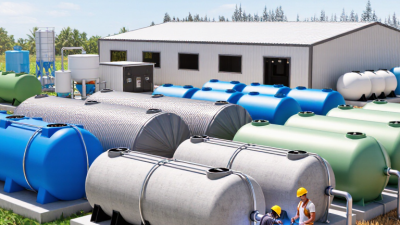
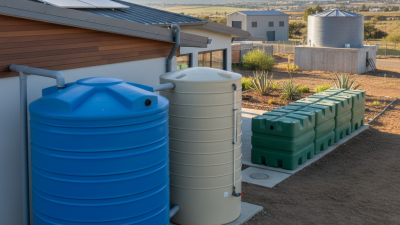
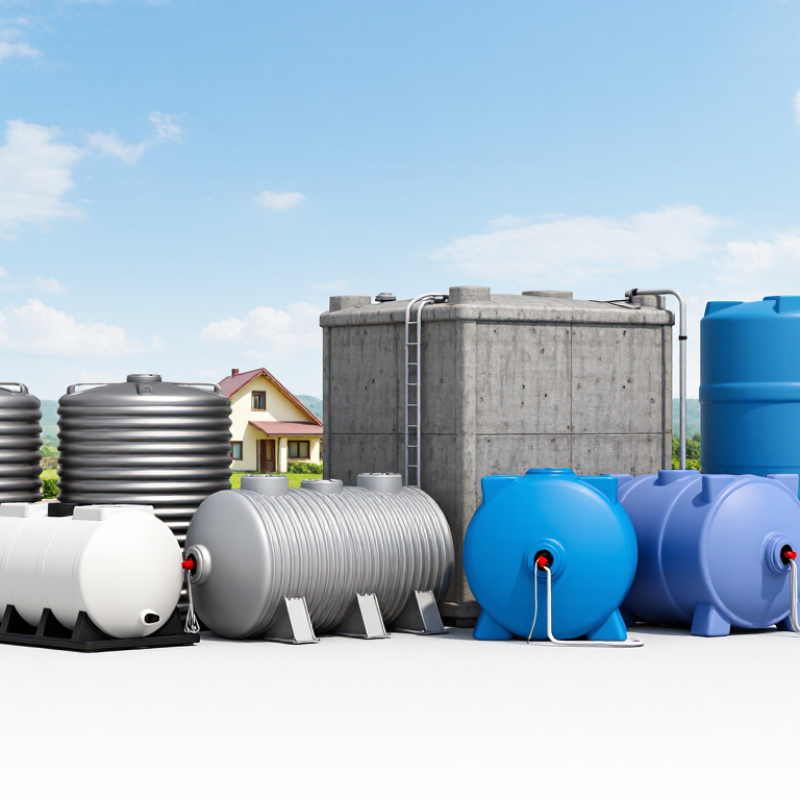
Water tanks serve different needs, so capacity is only part of the decision. For homes, polyethylene tanks are lightweight and resist corrosion, making them practical for rainwater storage or backup supply. Stainless steel tanks can suit indoor or outdoor installations when durability and cleanability matter. Concrete tanks hold large volumes and may fit underground, but they need suitable site preparation and careful waterproofing. Every option has trade-offs.

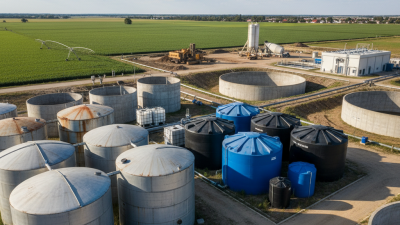
Commercial sites often need larger storage. Sectional tanks can be assembled on-site and adjusted to fit restricted spaces. Steel tanks may work for high-capacity applications, provided their lining and maintenance needs are considered. Underground tanks save surface space, though access for inspection and repairs can be less convenient.

I once underestimated how much room a tank’s fittings required; the plan looked fine on paper.

Tips: Match tank material to the stored water and local conditions. Check the available footprint, foundation, inlet, overflow, and access points before installation. Ask a qualified installer to verify structural support and applicable local requirements. Leave room for maintenance. Recheck your measurements.

Key Factors for Comparing Water Tank Capacity and Materials

Capacity should reflect actual demand, not the largest number on a product label. The USGS’s 2015 national water-use assessment reported average domestic use of about 82 gallons per person per day in the United States. Treat that as a planning reference, not a household storage target: tank needs depend on supply interruptions, delivery schedules, and peak use. For a home, count residents and estimate how many days of reserve matter. For a business, include shift changes, cleaning cycles, and downtime. Leave room for unusable volume and safe overflow. The estimate may still be imperfect.

Material choice affects upkeep and installation. Polyethylene tanks are relatively light and resist corrosion, but sunlight exposure and temperature can affect the required grade. Steel offers structural strength; inspect its lining and corrosion protection over time. Fiberglass can resist corrosion, though support and access for inspection still matter. Concrete tanks are durable, but their weight makes foundation planning important.

For drinking-water storage, check that wetted materials meet NSF/ANSI/CAN 61 requirements for health effects; the standard evaluates materials that contact drinking water. Compare usable capacity, not just nominal volume, and ask how seams, coatings, fittings, and access openings will be maintained. A low-maintenance claim is not a maintenance plan.

Top Water Tank Options for Different Uses and Environments

Choosing a water tank starts with the water’s intended use. Household drinking water needs a food-grade interior and a secure, cleanable lid. Rainwater storage can use a covered polyethylene tank, but collected water should not be treated as drinking water without suitable filtration and disinfection. Keep in mind that a tank alone does not make water safe.

The site matters just as much. Above-ground polyethylene tanks are relatively light and resist corrosion, making them practical for gardens and many homes. In full sun, choose a model designed for UV exposure; a shaded position can also reduce heating and algae growth. For larger commercial demand, steel or fiberglass tanks may offer useful capacity, but the foundation, fittings, and inspection access need careful planning. Heavy tanks need firm support. No shortcuts there.

Cold, exposed locations call for extra thought. Insulation may help, yet it will not protect every pipe or valve from freezing. Underground tanks save surface space, though drainage, soil conditions, and access for cleaning can complicate installation. I would check delivery access before choosing a large model; it is an easy detail to overlook. Capacity should match actual daily use, seasonal rainfall, or business demand, with room for maintenance rather than guesswork.

Installation, Maintenance, and Safety Requirements

Choosing among the ten best water tanks requires more than comparing capacity and price. Installation quality matters just as much. The tank needs a level, load-bearing foundation that can support its full weight, not only its empty frame. Experienced installers also check wind exposure, ground movement, drainage, and access for future repairs. Connections should remain visible and properly supported. Buried pipes need suitable protection from freezing, crushing, and accidental damage. A small mistake here can become an expensive leak.

Safety begins with clean water pathways. Potable-water tanks should use materials approved for drinking water and include a secure, lockable lid. Vents need screens to keep insects and debris out. An overflow pipe should direct water away from buildings, electrical equipment, and walkways. Backflow protection may be necessary, depending on the plumbing design and local requirements. Never enter a tank without a documented confined-space procedure. It is not a harmless inspection.

Maintenance needs a written schedule. Check the tank exterior, base, valves, ladders, and anchor points at least twice yearly. Look for damp soil, rust, cracking, unusual odors, or reduced water pressure. Clean the interior according to the tank material and water use. Disinfection should follow qualified guidance, especially for drinking supplies and commercial facilities. Commercial tanks may need inspection records, water testing, and professional servicing. A checklist helps, but it can miss problems after storms or construction nearby. Recheck conditions after unusual weather, even when the calendar says otherwise.

10 Best Water Tanks for Home and Commercial Use - Installation, Maintenance, and Safety Requirements Practical tank types compared by typical application, capacity, installation needs, upkeep, and safety considerations.
Tank Type Best For Typical Capacity Installation Considerations Maintenance and Safety
1. Vertical polyethylene tank Homes, farms, and small businesses needing above-ground potable or non-potable storage. About 200–5,000 gal (750–18,900 L); varies by model. Install on a level, adequately supported base. Allow access to fittings and follow the tank maker’s requirements for anchoring and plumbing. For drinking water, use a tank certified for potable-water contact under applicable local requirements. Keep the lid sealed, inspect fittings and seams, and protect the tank from impact and excessive heat.
2. Horizontal polyethylene tank Vehicle-mounted water transport, service work, and locations where a low profile is useful. About 50–2,000 gal (190–7,600 L). Support the full tank base as specified. For transport, use a tank designed for mobile service and secure it to the vehicle; account for the weight and movement of liquid. Check restraints, outlets, and the tank body before use. Do not use a stationary tank for transport unless it is specifically designed and approved for that purpose.
3. Slimline or wall-side tank Small properties and urban homes with limited yard space; commonly used for rainwater collection. About 100–1,000 gal (380–3,800 L). Place on a firm, level foundation and leave room for overflow and maintenance access. Confirm that the wall or nearby structure is not being relied on to support the tank unless designed for it. Keep screens in place at inlets and overflows. Remove roof debris and sediment as needed, and check that overflow water drains away from foundations.
4. Underground polyethylene cistern Residential rainwater storage, landscaping, and sites where above-ground space is limited. About 500–10,000 gal (1,900–37,900 L). Requires excavation and installation to the manufacturer’s burial specifications, including suitable bedding, cover depth, groundwater conditions, and traffic-load limits. Keep access covers secured and inspect the lid, vents, and connections. Never enter the tank; underground tanks are confined spaces and entry requires trained personnel and proper procedures.
5. Fiberglass-reinforced plastic tank Commercial, agricultural, and industrial storage where larger capacities or corrosion resistance are needed. About 500–50,000 gal (1,900–189,000 L); application-dependent. Use a properly engineered foundation and verify that the tank is suitable for the stored water, temperature, and site conditions. Larger installations may require professional design and permits. Inspect the shell, supports, nozzles, and protective coating for damage or deterioration. Confirm potable-water suitability before storing drinking water.
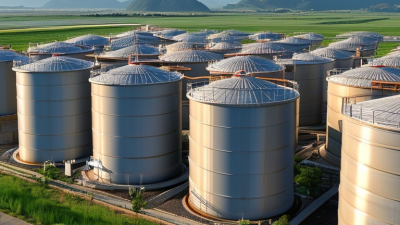
6. Bolted or welded steel tank Large commercial, agricultural, municipal, and industrial storage. About 5,000–1,000,000+ gal (18,900–3,785,000+ L), depending on design. Requires an engineered foundation, structural design for wind and seismic loads where relevant, and suitable corrosion protection. Installation should be performed by qualified contractors. Inspect coatings, seams, supports, and corrosion protection on a planned schedule. Use qualified inspectors for repairs and follow applicable requirements for potable-water or fire-water service.
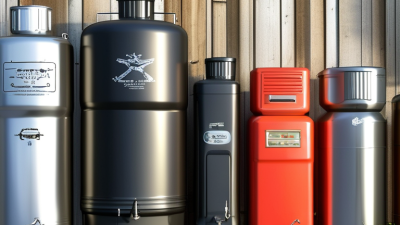
7. Stainless-steel tank Food-related, commercial, and other applications requiring a durable, cleanable tank material. About 100–20,000 gal (380–75,700 L). Select a grade and construction suitable for the water chemistry and environment. Provide a level support surface and protect connections from excessive loads. Clean with compatible products and avoid methods that can damage the surface. Inspect welds and fittings; corrosion resistance depends on the alloy, water chemistry, and maintenance.
8. Concrete cistern Permanent residential, agricultural, and commercial installations, including some underground systems. About 1,000–100,000+ gal (3,800–378,500+ L). Needs structural design, suitable foundations, and careful waterproofing. Consider soil conditions, groundwater pressure, access openings, and local building requirements. Inspect for cracks, leakage, and damaged seals. Use a potable-water-compatible lining where needed. Do not enter without confined-space controls and trained personnel.
9. Flexible bladder tank Temporary, emergency, remote-site, or seasonal storage where a collapsible tank is practical. About 500–100,000 gal (1,900–378,500 L), depending on design. Deploy on a smooth, level surface free from sharp objects. Use a model rated for the intended water and conditions, and protect it from vehicles, abrasion, and severe weather. Inspect the fabric, seams, valves, and fittings before filling. Drain, clean, and dry as directed before storage; potable-water use requires suitable materials and handling.
10. Elevated or tower-supported tank Commercial, community, or agricultural systems needing gravity-fed distribution or pressure support. About 5,000–500,000+ gal (18,900–1,893,000+ L). Requires professional structural and foundation engineering, safe access, fall protection, and design for wind, seismic, and operational loads as applicable. Maintain a documented inspection program for the tank, tower, ladders, access systems, and coatings. Restrict access and use qualified personnel for work at height or inside the tank.
General planning and safety notes: Capacity ranges are indicative only; available sizes vary by design and supplier. Confirm local plumbing, building, environmental, and fire-protection requirements before purchase or installation. For drinking-water storage, choose materials and fittings approved for potable-water contact in your jurisdiction, keep openings protected from contamination, and follow local guidance for inspection, cleaning, and disinfection. Never enter a tank without an approved confined-space entry program.

How to Choose the Right Water Tank for Your Property

Choosing a water tank starts with demand, not appearance. Estimate daily use for everyone on the property, then account for irrigation, livestock, or commercial processes.

A household may need a different storage buffer from a workshop with steady water use. Check the available footprint, access for delivery, and whether the supporting surface can carry a full tank’s weight.

Water is heavy: a 1,000-liter tank holds roughly one metric ton of water.

Match the tank material and design to its job. Potable water needs a tank rated for drinking-water storage, with a secure lid and fittings that are easy to inspect.

Outdoor tanks face sunlight, temperature swings, and debris, so placement and maintenance matter.

Commercial sites should also consider refill frequency, pump capacity, and how a tank connects to existing plumbing. Small details count.

Tips:

  • Measure the installation area, including clearance for pipes and maintenance.
  • Ask a qualified installer to check the base and connections.
  • Keep a simple inspection log; it is easy to forget when seals were last checked.
  • And don’t size the tank only for your busiest day—oversizing can leave water sitting longer than intended.