How to Choose the Right Water Tanks for Your Needs?
Choosing the right water tanks is essential for any household or business. Experts like Jack Thompson, a leading figure in the water storage industry, emphasize that, "The right tank can make all the difference in water quality and usage." Various factors influence the decision-making process, including size, material, and purpose.
When deciding on water tanks, consider your specific needs. The capacity should align with your daily water usage. For instance, larger families may require bigger tanks, while smaller households can opt for compact options. Additionally, the tank's material, such as plastic or metal, affects durability and cost.
Always remember, some decisions could lead to regrets later. Experts recommend evaluating future water needs and potential growth. Balancing cost and quality is tricky but necessary. Choosing the right tank ensures efficient water storage and contributes to sustainable practices.
Understanding Your Water Storage Requirements
Understanding your water storage requirements is crucial before selecting water tanks. Begin by assessing how much water you require daily. Consider household needs, irrigation, and any potential emergencies. Estimate your daily usage accurately to determine the appropriate tank size.
Tips: Think about future needs. Families grow; gardens expand. Will your current tank still meet your needs in five years? These questions are crucial when choosing a tank.
Consider the space available for installation. Different tanks have various shapes and sizes. A vertical tank might save space, while a larger, horizontal tank could store more water. Check local regulations as well. Some areas have specific guidelines for water tank installation.
Tips: Stay informed about your area's water restrictions. Some regions limit usage during dry seasons. Adapt your storage solution to these factors for efficiency and compliance. Regularly evaluate your storage needs, especially during changes in household size or lifestyle. Balancing current and future needs can be a challenge, but it's vital for effective water management.
Types of Water Tanks and Their Applications
When selecting water tanks, consider their types and applications. Different tanks suit various needs. For instance,
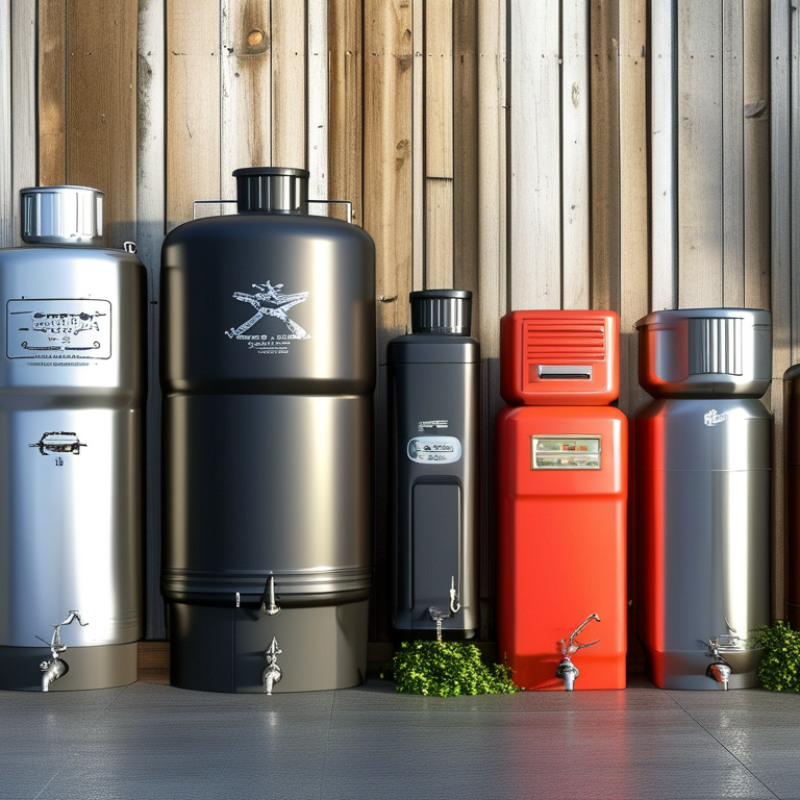
polyethylene tanks are lightweight and resistant to rust, making them great for small-scale use. Steel tanks, on the other hand, offer durability and strength, ideal for industrial projects.
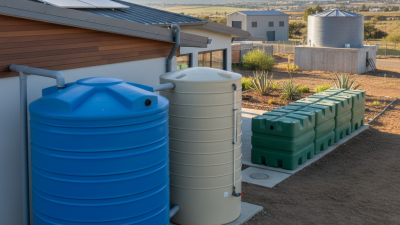
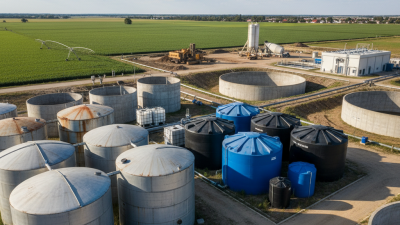
Think about the specifics of your situation. Are you using the tank for rainwater harvesting or agricultural purposes? Each application may require a different tank design. Ensure you understand the capacity needed. A small tank might suffice for household use, while larger tanks support commercial operations.
Tips: Regularly check for leaks and inspect fittings. Maintenance extends tank life. If unsure about your choice, consult professionals for guidance. Always ensure the water tank complies with local regulations. This small step can save you from future issues.
Key Factors to Consider When Selecting a Water Tank
Choosing the right water tank is vital for various needs. One must consider several key factors. Start with the tank size. It should fit your space and hold enough water without wasting resources. For example, if you have a large family or run a farm, opting for a bigger tank is wise.
Material is another significant factor. Tanks are typically made from plastic, metal, or concrete. Each material comes with its pros and cons. Plastic is lightweight but may not withstand extreme temperatures. Metal is durable but can rust over time. Think about the environment where the tank will be installed.
Tips: Assess your local water needs and climate. Ensure the tank is installed correctly to avoid leaks. Consider additional features like filtration or solar heating. Be cautious of hidden costs. Research different suppliers for quality assurance. Reliable vendors provide warranties, adding peace of mind. Make informed choices for the best outcome.
Material Options for Water Tanks and Their Advantages
When selecting a water tank, the material plays a critical role. There are several options available, each with its advantages. Steel tanks are known for their durability and resistance to corrosion. They can withstand extreme temperatures and are suitable for both indoor and outdoor use. However, steel is heavy and may require additional support during installation.
Another popular choice is polyethylene. These tanks are lightweight and resistant to UV rays. They offer excellent insulation and minimize algae growth. Yet, they may not endure high physical impacts and can deform under extreme heat. When considering your needs, think about where and how you will use the tank.
Fiberglass tanks are a robust option as well. They combine lightweight properties with strength and resistance to various chemicals. However, they can be more expensive than other materials. Think carefully about these aspects. Reflect on the long-term use and maintenance when making your choice. Always prioritize what fits your specific circumstances best.
Maintenance and Care Tips for Long-lasting Water Tanks
When choosing water tanks, maintenance is crucial. Regular care ensures long-lasting performance. According to industry reports, poorly maintained tanks can lose up to 30% of their capacity in just five years. This statistic highlights the importance of routine inspections and timely repairs.
Cleaning your tank is essential. Sediment buildup can contaminate water quality and affect taste. Aim to clean your tank at least once a year. Use a mixture of vinegar and water for effective removal of deposits. Also, check for cracks or leaks. These can lead to significant water loss and costly repairs.
Monitor the tank’s environment. Extreme temperatures can weaken materials. Make sure tanks are insulated if located in unconditioned spaces. High temperature can also encourage algae growth. This can be a challenge in warmer climates, where temperatures exceed 85°F. Address these factors to enhance the longevity of your water tank.