2026 Best Well Tanks for Optimal Water Management Solutions?
In the quest for effective water management, well tanks have emerged as vital solutions. These tanks store groundwater, ensuring a steady supply for households and businesses. Selecting the best well tanks can significantly enhance your water system's efficiency.
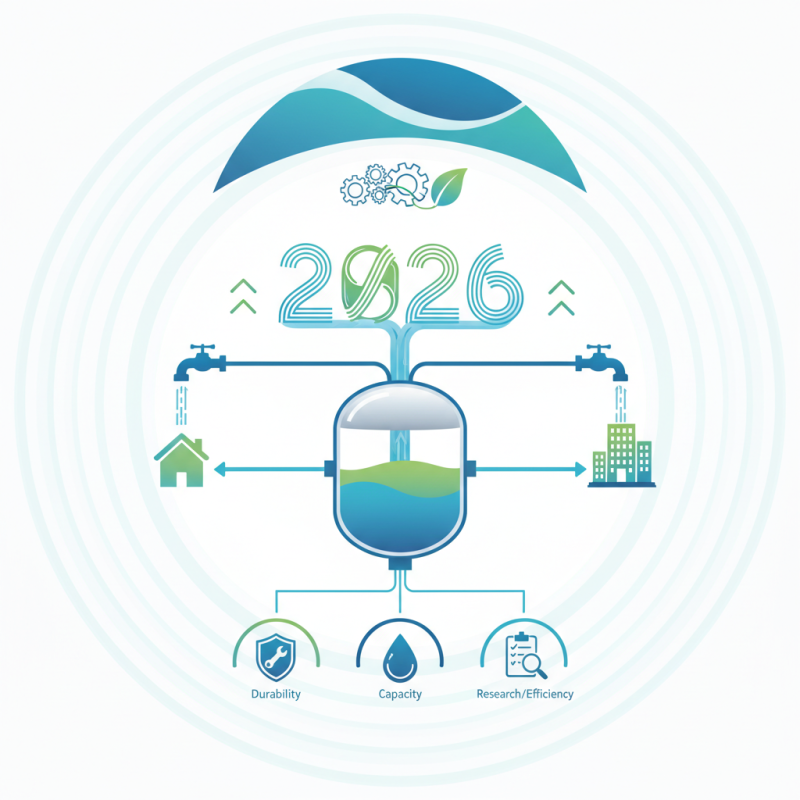
The 2026 market offers various options, each designed for different needs. Some tanks focus on durability; others prioritize capacity. Users must consider their specific requirements and installation conditions. Unfortunately, not all options deliver as promised. Some may lack reliability, creating unnecessary challenges. It’s crucial to research well tanks thoroughly before making a decision.
Experts suggest looking for tanks with proven durability and efficient designs. Reviews from other users can provide valuable insights. A well-chosen tank can prevent issues and streamline water management. Investing time in this process offers long-term benefits for sustainability. Reflecting on personal experiences can further guide your choice. Well tanks are key players in ensuring optimal water management solutions.
Overview of Well Tanks and Their Importance in Water Management
Well tanks play a crucial role in water management. They act as storage systems for potable water. These tanks help regulate water supply, especially in areas facing fluctuations in water availability. According to a report by the Water Research Foundation, nearly 40% of water systems in rural America depend heavily on well tanks for consistent service.
Selecting the right well tank can significantly impact efficiency. It's essential to consider factors like capacity, pressure, and material. A recently conducted study indicates that fiberglass tanks can last over 30 years, outperforming steel in terms of corrosion resistance. This longevity can translate into cost savings for homeowners.
Tip: Regular maintenance of well tanks is vital. Check for leaks and ensure the pressure is balanced. Small issues can lead to bigger problems. Make sure to upgrade your tank if it shows signs of wear. Sometimes, early detection makes a significant difference. Remember, each tank serves a purpose in supporting our water management systems.
Types of Well Tanks: Selecting the Right One for Your Needs
When choosing a well tank, understanding the types available is crucial. There are primarily two types: pressure tanks and bladder tanks. Pressure tanks, which store water under pressure, provide a constant flow. They can be less efficient if not sized correctly. On the other hand, bladder tanks use a rubber diaphragm to separate water from air. This design helps maintain pressure and prevents waterlogging.
Finding the right type requires assessment of your water usage. If you have a large household, a pressure tank might be advantageous. These tanks can deliver high flow rates. However, they often need more maintenance. For smaller homes, bladder tanks may offer sufficient pressure with less upkeep.
Consider the tank’s size and your available space. A tank too small may lead to frequent pumping. Conversely, oversized tanks can waste energy. Think about your long-term needs. Sometimes, selecting a tank requires trial and adjustment. Don't rush the decision; it's better to reflect on your specific requirements to ensure optimal performance in water management.
2026 Best Well Tanks for Optimal Water Management Solutions
This chart represents the water capacity of different types of well tanks suitable for optimal water management. The data includes various tank types commonly used for residential and agricultural purposes.
Key Features to Consider in the Best Well Tanks
When choosing the best well tanks, specific features play a crucial role in performance. Durability is key, as these tanks must withstand pressure and corrosion. High-density polyethylene is a popular choice due to its resistance to chemicals and UV rays. Reports indicate that tanks made from this material can last over 30 years. This longevity leads to lower replacement costs, a vital aspect of effective water management.
Storage capacity is another critical factor. The best well tanks typically range from 30 to 150 gallons, catering to different household needs. A tank that is too small may lead to frequent running, while a tank that is excessively large may result in unnecessary expenses. Studies suggest that correctly sized tanks enhance pumping efficiency, minimizing energy consumption by up to 20%.
Accessibility for maintenance is often overlooked but essential. Regular checks can prevent costly repairs down the line. It is essential for tanks to have standard fitting options, simplifying the process of routine inspections. The industry often recommends maintaining a schedule to ensure optimal performance, particularly in regions with fluctuating water tables. Ignoring these aspects can lead to inefficiencies and increased long-term costs.
Installation and Maintenance Tips for Optimal Performance
When considering the installation of well tanks, proper preparation is crucial for optimal performance. First, assess the soil type and terrain. A report from the Water Well Association indicates that soil composition can impact tank stability and longevity. For sandy soils, you may need a more robust foundation to prevent shifting and settling. Utilizing local geological surveys can provide valuable insight into the ideal installation methods tailored to your area.
Regular maintenance is essential for maximizing the lifespan of your well tank. A study by the National Ground Water Association highlights that nearly 30% of well systems fail due to neglect. Ensure routine checks for leaks, cracks, and corrosion. Keeping the tank clean will also prevent sediment build-up that can impede water flow. You can perform monthly inspections, even if you hire professionals for more extensive annual maintenance.
Lastly, consider water quality as an ongoing concern. Testing water periodically will help identify contaminants. This proactive approach is vital for health and equipment efficiency. A proactive maintenance strategy focuses on long-term reliability rather than just immediate fixes. The balance between awareness of potential issues and timely action can significantly elevate the performance of your well system.
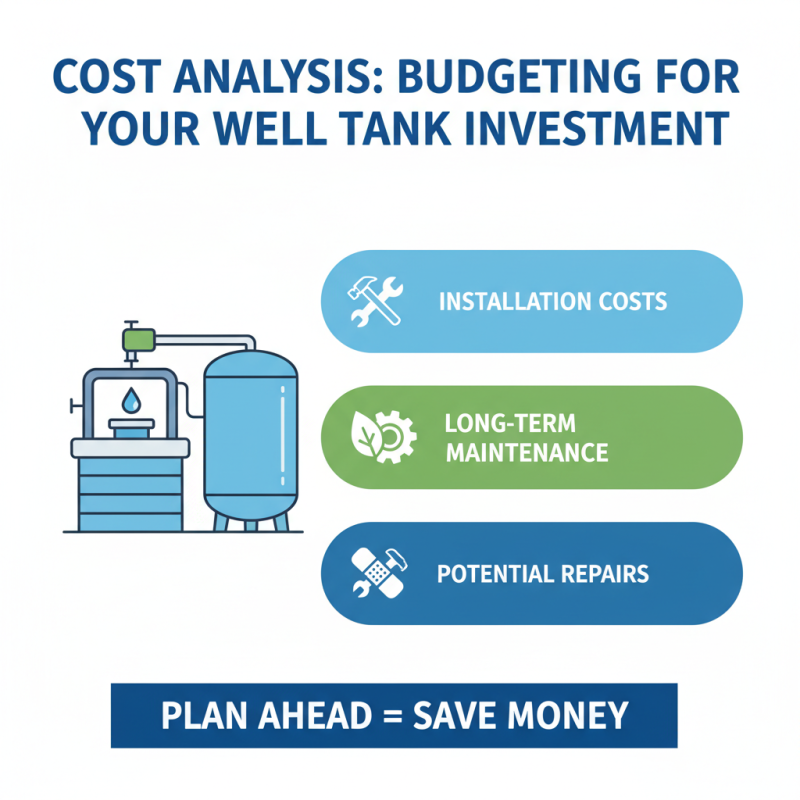
Cost Analysis: Budgeting for Your Well Tank Investment
Investing in a well tank is crucial for effective water management. When creating a budget, consider installation costs, long-term maintenance, and potential repairs. A single mishap can lead to costly repairs and downtime. So, planning ahead will save money in the long run.
Tips: Research potential service providers. Compare their rates and services. A good contractor can help avoid future issues. Also, evaluate the tank material. Different materials have varying costs and lifespans. Low upfront costs can spiral into high replacement costs.
Analyze your water needs carefully. A tank that's too small may lead to overuse and increased costs. Alternatively, a tank that's too large could waste resources. Understanding your specific requirements can help make a more informed decision. This step often gets overlooked, leading to frustration later.