How to Choose the Right Water Tanks for Your Needs?
Choosing the right water tanks is crucial for effective water management in both residential and commercial settings. According to a recent industry report by the Water Environment Federation, the global water tank market is projected to grow at a CAGR of 5.2% from 2021 to 2026. This underscores the increasing importance of reliable water storage solutions.
Selecting suitable water tanks involves various factors, including material, size, and intended use. Polyethylene and fiberglass are popular materials, each offering unique benefits. Size matters significantly too. A tank too small may lead to frequent refills, while an oversized tank wastes space and resources. Additionally, installation location can impact long-term performance and accessibility.
It’s essential to reflect on your specific needs and challenges. For instance, consider if you need a tank that withstands extreme temperatures or one designed for potable water. Consulting experts in the field can provide valuable insights. However, it's also important to question common assumptions. Are you prioritizing price over quality? Finding the right balance between cost and durability can lead to long-term savings.
Understanding Your Water Storage Needs
Choosing the right water tank starts with understanding your specific needs. Evaluate your daily water usage. Are you using it for drinking, irrigation, or industrial purposes? Each use case influences the capacity and type of tank you need. For example, a household may need 1,000 gallons, while an agricultural use may require much more.
Consider your available space as well. Smaller yards or locations with limited access may not accommodate large tanks. In this case, vertical or slimline tanks could be ideal. Additionally, think about the materials. Plastic, steel, and concrete all have different lifespans and maintenance needs. Researching each option ensures you pick a tank that aligns with your longevity requirements.
Be aware that your needs might change over time. For instance, if you plant a garden, your water requirements may increase. This calls for a reevaluation of your tank choice. Stay flexible and be open to adjustments. Understanding these factors can lead to a more informed decision, potentially saving you money and hassle in the long run.
Types of Water Tanks Available on the Market
When selecting water tanks, it's essential to understand the types available. Different needs require different solutions. Here's a closer look at some common tank types.
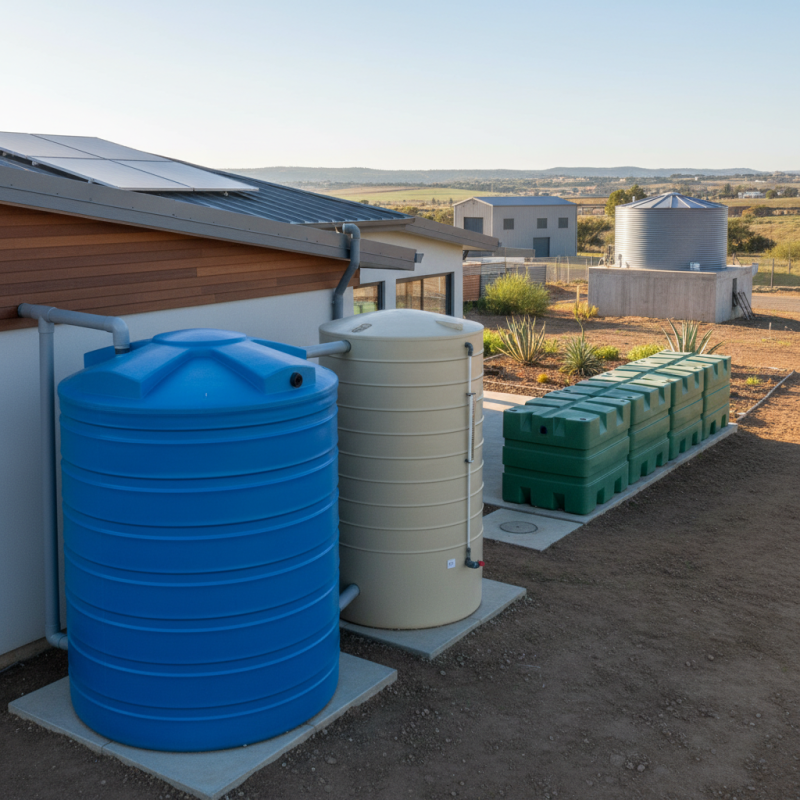
Plastic tanks are popular for their affordability and flexibility. They are lightweight and resistant to corrosion, making them ideal for various environments. However, they may not withstand extreme temperatures, leading to potential cracks or warping.
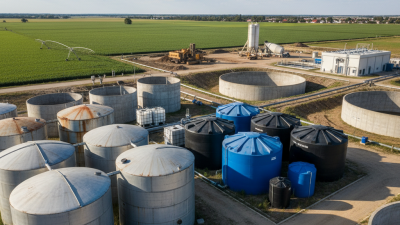
Steel tanks offer durability and strength. They can hold large volumes of water, making them suitable for agricultural or industrial use. Yet, they may require additional protective coatings to prevent rust. Always consider maintenance needs when choosing.
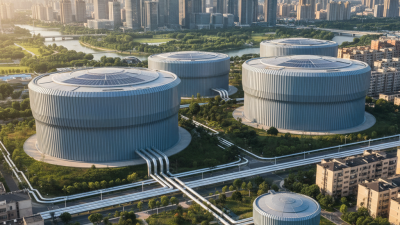
Concrete tanks are incredibly durable and can last for decades. They are excellent for storing large quantities of water, often used in municipal settings. However, installation can be challenging and costly. Ensure proper placement to avoid unnecessary expenses.
Tips: Think about your space. Limited areas might not suit larger tanks. Always check local regulations for water storage. This ensures compliance and safety. Assess your water quality needs, as different tanks impact water purity.
Factors to Consider Before Purchasing a Water Tank
When considering a water tank, several factors come into play. **Size and capacity** are fundamental. Think about your daily needs—how much water do you use? A small family may require a 500-liter tank, while larger households need 1,000 liters or more. Assessing your water consumption helps strike the right balance.
**Material** is another crucial aspect. Tanks can be made from plastic, metal, or concrete. Each material has distinct advantages and drawbacks. Plastic is lightweight and corrosion-resistant but may degrade under UV exposure. Metal tanks are durable but can corrode. Concrete tanks last long, yet they can be costly to install. Reflect on which material suits your environment best.
Lastly, **location matters**. Where will the tank be installed? An area with stable ground is ideal. Avoid placing it where flooding could occur. Access for maintenance is often overlooked. A tank that is hard to reach will complicate repairs. Make thoughtful choices to ensure your water tank meets your specific needs efficiently.
Water Tank Capacity Comparison
Evaluating the Installation and Maintenance Requirements
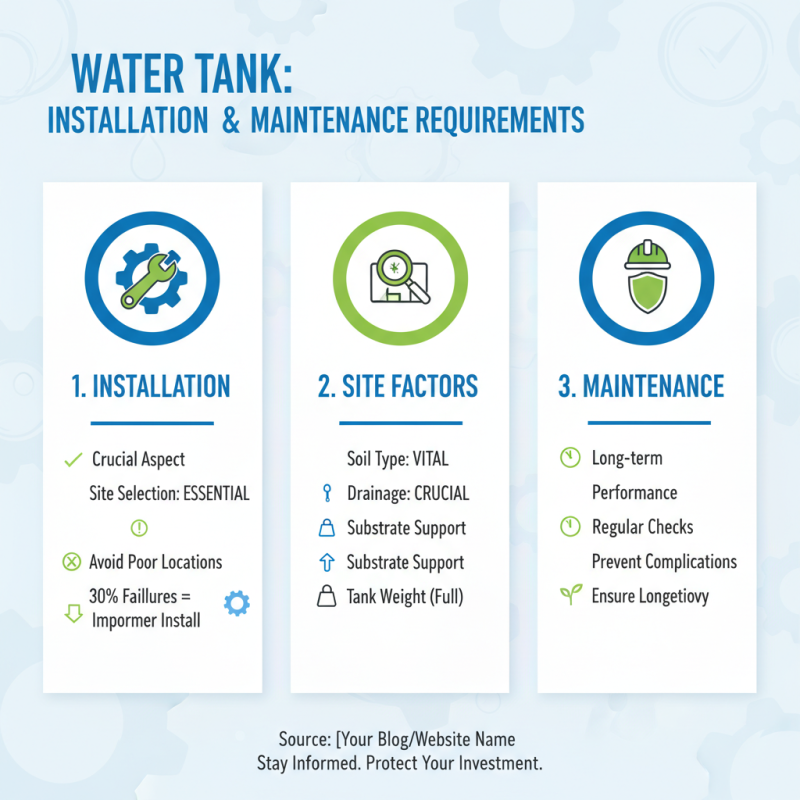
When selecting water tanks, installation and maintenance are crucial aspects. Choosing the right site for your tank is essential. Poorly chosen locations can lead to complications. For instance, almost 30% of tank failures occur due to improper installation. Soil type and drainage are vital factors. Ensure the substrate can support the tank's weight when full.
Regular maintenance is imperative for longevity. Industry reports indicate that 20% of users neglect maintenance, leading to costly repairs. Cleaning tanks every six months is recommended. Inspecting connections and valves periodically can prevent leaks. A study highlighted that routine checks could extend tank life by up to 50%. Water quality also depends on these maintenance practices.
Moreover, consider the environmental impact. Some materials may degrade faster than others, affecting sustainability. Annual assessments can help identify wear and tear. Investing in durable materials might save money in the long term but may require higher upfront costs. Balancing budget and quality remains a key decision-making point.
Cost Considerations and Budget Planning for Water Tanks
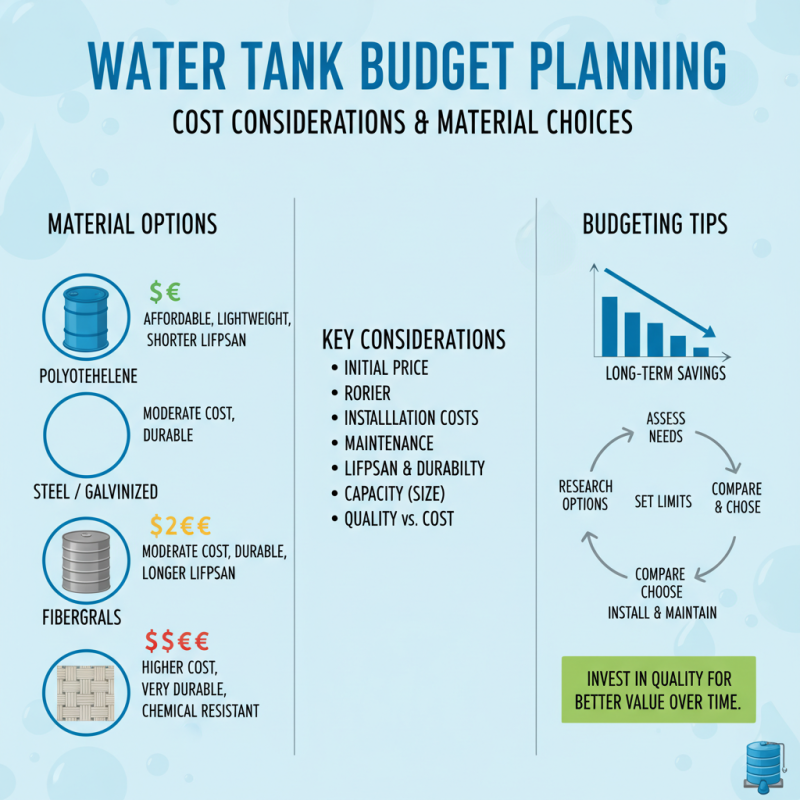
When selecting water tanks, cost considerations play a vital role. Water tanks come in various materials and sizes, each with different price points. It's essential to create a budget that aligns with your needs. For instance, polyethylene tanks are generally more affordable than steel or fiberglass options. However, consider the durability and long-term savings that higher-quality tanks may offer.
In addition to the purchase price, think about installation costs. Some tanks require professional installation, which can increase your overall expenses. Ensure you include this in your budget. Maintenance costs should also be factored in. Some tanks need regular upkeep, which could add extra expenditures over time.
Analyze your water usage patterns. This will help you determine the correct size tank for your needs. A tank that's too small will lead to frequent refills, while one that's too large may incur unnecessary costs. Reflect on your choices carefully to ensure they meet both your budget and usage needs effectively.