2026 Best Fuel Storage Tanks for Global Buyers Seeking Quality?
In today's global market, fuel storage tanks play a crucial role. Selecting the right tank is essential for safety and efficiency. Buyers seek quality options that ensure reliability and long-term use. Understanding the nuances of fuel storage tanks can be overwhelming. There are many choices, but not all are created equal.
Various factors can affect your decision. The material, capacity, and regulations differ by region. It’s vital to consider the specific needs of your operations. Quality fuels require quality storage solutions. In this landscape, identifying reputable manufacturers is key. Trustworthy brands provide warranties and support, ensuring peace of mind.
As you explore options, reflect on your priorities. Are you focused on cost-effectiveness or durability? It’s a balancing act that demands careful thought. Knowing the pros and cons of each option can lead to better decisions. Consider the long-term implications of your choices. The right fuel storage tanks can greatly enhance your operational efficiency.
2026 Fuel Storage Tank Trends: Insights from Industry Experts
Fuel storage tank trends for 2026 highlight important insights from industry experts. As environmental regulations tighten, operators are focusing on sustainability and efficiency. A significant shift is observed towards secondary containment systems. According to a recent report, 65% of new installations now include these systems. This trend underlines the industry's commitment to preventing leaks and safeguarding the environment.
Another emerging trend is the adoption of smart technology in fuel storage. Smart tanks equipped with monitoring systems offer real-time data about fuel levels and potential leaks. The efficiency gained from these innovations can reduce operational costs by up to 20%. However, implementing such technologies can be costly and requires careful consideration of return on investment.
Moreover, as global fuel demands fluctuate, storage tank designs are evolving. Flexible, modular tanks are becoming popular. They adapt more easily to changing needs and regulations. Yet, some operators may struggle with compliance due to lack of knowledge or resources. Striking a balance between innovation and regulatory adherence remains a challenge in the industry.
Top Features of High-Quality Fuel Storage Tanks for Global Markets
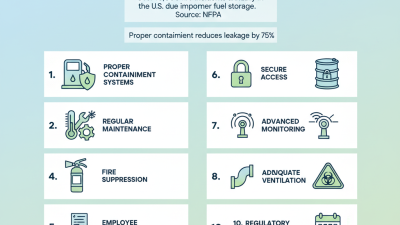
High-quality fuel storage tanks are essential for businesses across the globe. When evaluating these tanks, consider key features that ensure reliability and safety. According to industry reports, over 30% of fuel storage failures stem from inadequate materials or construction. Therefore, choosing tanks made from corrosion-resistant materials is critical. Tanks should also have robust safety features like automatic shut-off valves and double-wall construction to prevent leaks.
Regular maintenance and inspections can extend the life of fuel storage tanks. A well-maintained tank can last over 30 years, while neglecting it may lead to costly failures. It's essential to implement a routine check on connections and seals. This simple act can catch small issues before they escalate. Safe storage practices, including clear signage and spill containment systems, further enhance safety in operations.
Environmental regulations are stringent in many regions. Compliance is not just a legal requirement; it's also vital for maintaining community trust. Utilize tanks that meet or exceed local environmental standards. This commitment to quality and safety can significantly impact your business reputation in the global market.
Comparative Analysis of Fuel Storage Tank Materials: Steel vs. Polyethylene
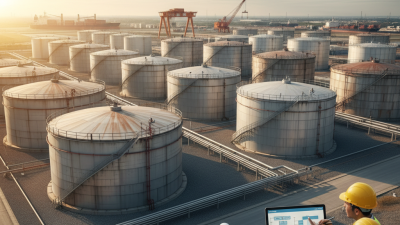
When evaluating fuel storage tanks, material choice greatly influences performance and longevity. Steel tanks are renowned for their strength and resistance to damage. A study by the American Petroleum Institute indicates that steel is highly durable, with a lifespan exceeding 30 years when properly maintained. Their ability to withstand extreme temperatures adds to their appeal for industrial applications. However, they can be susceptible to corrosion if not adequately protected, which raises ongoing maintenance costs.
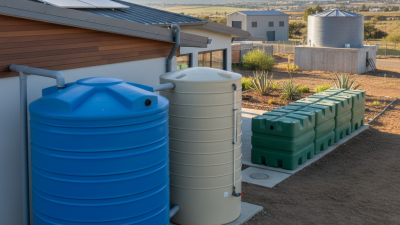
On the other hand, polyethylene tanks offer excellent resistance to chemical corrosion. A report from the National Association of State Fire Marshals highlights that these tanks are ideal for storing a variety of fuels due to their lightweight and resistance to leaks. Polyethylene can last between 15 to 20 years, generally requiring less maintenance than steel tanks. However, they are less durable against physical impacts, which can lead to cracks or dents in harsh environments.
Both materials have their strengths and weaknesses. Choosing between them depends on specific usage scenarios and environmental conditions. Understanding the implications of each material is crucial for making an informed decision. Buyers must weigh factors like cost, installation, and long-term reliability when selecting storage solutions.
Regulatory Standards Impacting Fuel Storage Tank Quality Worldwide
Regulatory standards play a crucial role in determining the quality of fuel storage tanks worldwide. These regulations vary significantly by region and ensure that tanks meet safety and environmental requirements. Regulatory bodies focus on materials used, tank design, and installation procedures. For instance, some standards mandate the use of double-walled tanks to prevent leaks. Such measures help protect the environment and public health.
Beyond compliance, quality assurance is essential. Many industries are seeking tanks that not only meet regulatory standards but also enhance operational efficiency. Failing to choose the right tank can lead to costly consequences. Some manufacturers might cut corners, compromising the product quality. It's important for buyers to look closely at certifications and inspections. This diligence can prevent future mishaps.
Increasing awareness of environmental issues has prompted stricter regulations. Global buyers must stay informed about these changes. Being aware of local standards and practices ensures safe fuel storage. However, navigating this complex landscape can be daunting. Buyers may overlook specific guidelines, leading to unintentional violations. Thus, a proactive approach to understanding regulations is vital for successful fuel storage tank investment.
Future Innovations in Fuel Storage Technology: A Market Outlook
The fuel storage industry is on the brink of transformation as emerging technologies redefine standards across the globe. Current data suggests that the global market for fuel storage tanks is projected to reach $29.2 billion by 2026, reflecting a compound annual growth rate of 5.1%. Innovations are not just about capacity; they encompass safety, efficiency, and environmental sustainability. New composite materials, for example, enhance tank durability while reducing weight.
Monitoring and automation technologies are gaining traction. Smart tanks equipped with sensors can now track fuel levels and detect leaks in real time. This shift towards automation reportedly decreases human errors, boosting overall efficiency. However, not all facilities are adopting these technologies. Ethical adoption and user training remain critical issues. Many users still rely on outdated methods due to cost concerns or a lack of understanding.
Incorporating sustainable practices is essential. According to recent studies, 58% of companies are prioritizing eco-friendly materials in fuel tank production. This aligns with global regulations aimed at reducing carbon footprints. However, it’s vital to remember that sustainable technology often requires higher upfront investment. Being aware of this can guide businesses in making informed choices. Users should consider long-term benefits, rather than just immediate savings. Embracing these innovations is crucial for staying competitive in a rapidly evolving market.
2026 Best Fuel Storage Tanks for Global Buyers Seeking Quality
| Tank Type |
Capacity (Liters) |
Material |
Safety Features |
Expected Lifespan (Years) |
| Above Ground Tank |
1000 |
Steel |
Double-walled, spill containment |
30 |
| Underground Tank |
5000 |
Fiberglass Reinforced Plastic |
Corrosion resistant, leak detection |
30 |
| Mobile Tank |
2000 |
Aluminum |
Secure locking, anti-spill features |
15 |
| Fuel Station Tank |
15000 |
Carbon Steel |
Fire-retardant, emergency shut-off |
20 |
| Condensate Tank |
4000 |
Stainless Steel |
Pressure relief valves, automatic monitoring |
25 |