Search

Top 10 Tips for Safe Fuel Storage Solutions?

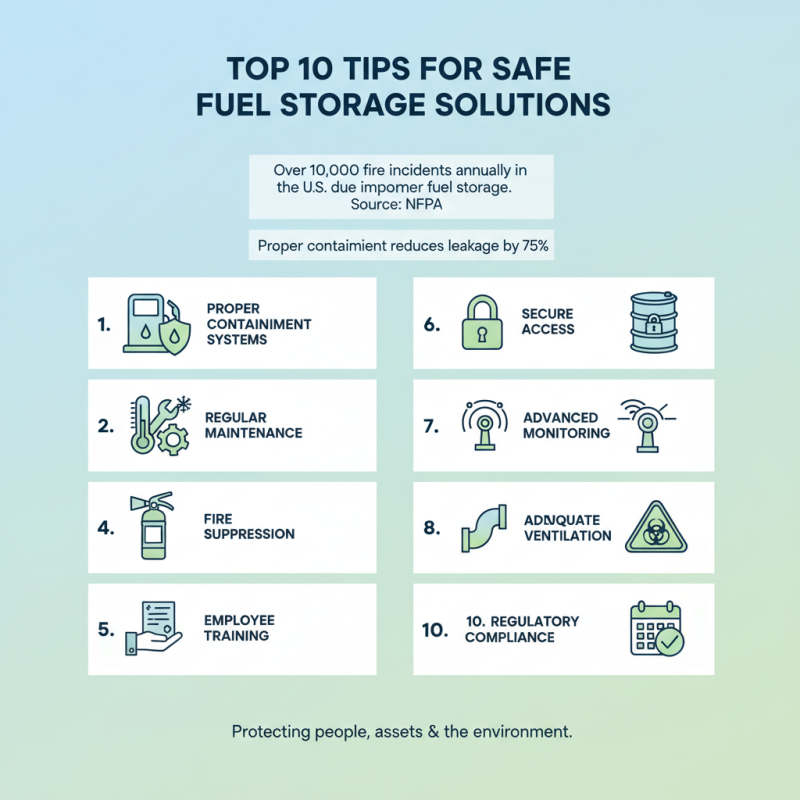
In today's world, safe fuel storage is paramount. According to a report by the National Fire Protection Association (NFPA), improper fuel storage leads to over 10,000 fire incidents annually in the U.S. These alarming figures highlight the often-overlooked aspects of fuel safety. Experts like Dr. Emily Carter, a noted authority in fuel storage safety, emphasize, “Neglecting proper storage can lead to severe consequences.”

Implementing best practices for fuel storage can mitigate risks. Advanced monitoring technologies have become essential for ensuring safe conditions. A recent study indicated that using proper containment systems reduces leakage incidents by 75%. However, many sectors still rely on outdated methods. This reliance raises the question of accountability and urgency in adopting modern solutions.

Furthermore, there's a notable gap in knowledge regarding the safe management of fuel storage facilities. Training employees on safety protocols is crucial for continuous improvement. As we explore top tips for safe fuel storage solutions, a thorough understanding of these risks and practices becomes essential for every facility.
Top 10 Tips for Safe Fuel Storage Solutions?

Understanding the Importance of Safe Fuel Storage Solutions
Top 10 Tips for Safe Fuel Storage Solutions?

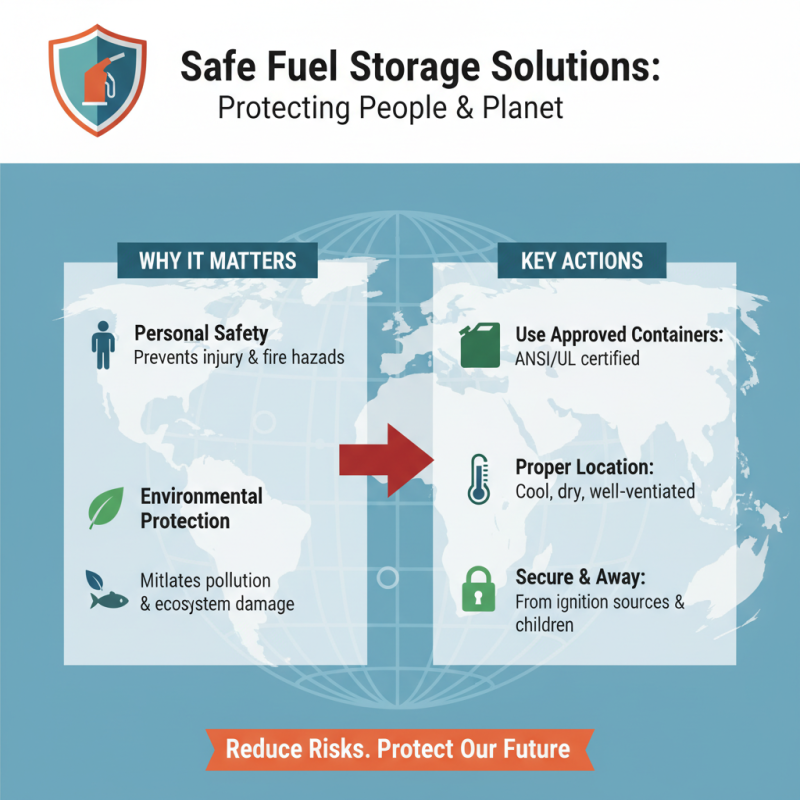
Safe fuel storage is crucial for both personal safety and environmental protection. Understanding and implementing proper storage solutions can mitigate hazards associated with fuel leakage and combustion. When fuel is stored incorrectly, it poses risks not only to individuals but also to wildlife and ecosystems.

One effective tip is to keep fuel containers in well-ventilated areas. This reduces the chances of flammable vapors accumulating, which can lead to dangerous situations. Always check for leaks regularly. Even small spills can cause significant environmental harm. Use labeled, appropriate containers that can withstand the types of fuel stored.

Additionally, ensure that fuel storage locations are away from heat sources or ignition points. Extreme care must be taken to position storage safely. Many people overlook the importance of secure closures; a lid not fastened can allow vapors to escape and increase fire risks. Lastly, educate everyone involved in handling fuel about the risks and responsibilities they bear. Awareness is the first step to safety.
Choosing the Right Environment for Fuel Storage

When it comes to fuel storage, the environment plays a crucial role. Proper conditions can significantly impact the safety and longevity of stored fuel. Temperature control is vital; extreme heat can lead to vaporization, while excessive cold might cause condensation. A stable, moderate climate is ideal. Choose a well-ventilated area to minimize the risk of gas build-up. Good airflow reduces the chances of fire hazards, ensuring a safer location.

Moisture is another key factor to consider. High humidity can create rust and microbial growth in fuel containers. Opt for storage solutions made of resistant materials and place them on dry surfaces. Inspect the area regularly for leaks or signs of deterioration. Regular checks can prevent small issues from becoming major problems.

Additionally, consider external factors. Proximity to potential ignition sources, such as electrical equipment, can increase risk. Even the surrounding landscape matters. Avoid storage near flammable vegetation. Reflecting on these factors informs better decisions in fuel storage practices. After all, a thoughtful approach enhances safety and performance.

Top 10 Tips for Safe Fuel Storage Solutions - Choosing the Right Environment for Fuel Storage

Tip Number Tip Description Recommended Environment Safety Measures
1 Store fuel in a cool, dry place. Indoor or shaded outdoor storage units. Use temperature regulation tools if necessary.
2 Keep fuel away from ignition sources. Residential garages or dedicated storage buildings. Install fire extinguishers nearby.
3 Use proper containers for storage. Certified fuel storage tanks. Regularly inspect containers for damages.
4 Label all fuel containers clearly. All storage areas. Use waterproof labels that resist fading.
5 Ensure proper ventilation in storage areas. Outdoor sheds or garages with windows. Install exhaust fans if necessary.
6 Keep fuel away from children and pets. Locked storage units. Use child-proof locks.
7 Regularly check for leaks. All storage areas. Have absorbent pads ready for spills.
8 Follow local regulations for fuel storage. Based on local guidelines. Consult local authorities for up-to-date rules.
9 Consider installing a fuel monitoring system. Both indoor and outdoor setups. Ensure compatibility with existing systems.
10 Train staff on fuel safety practices. Workshops and training centers. Conduct regular safety drills.

Implementing Proper Containment Measures for Fuel Safety

Top 10 Tips for Safe Fuel Storage Solutions?

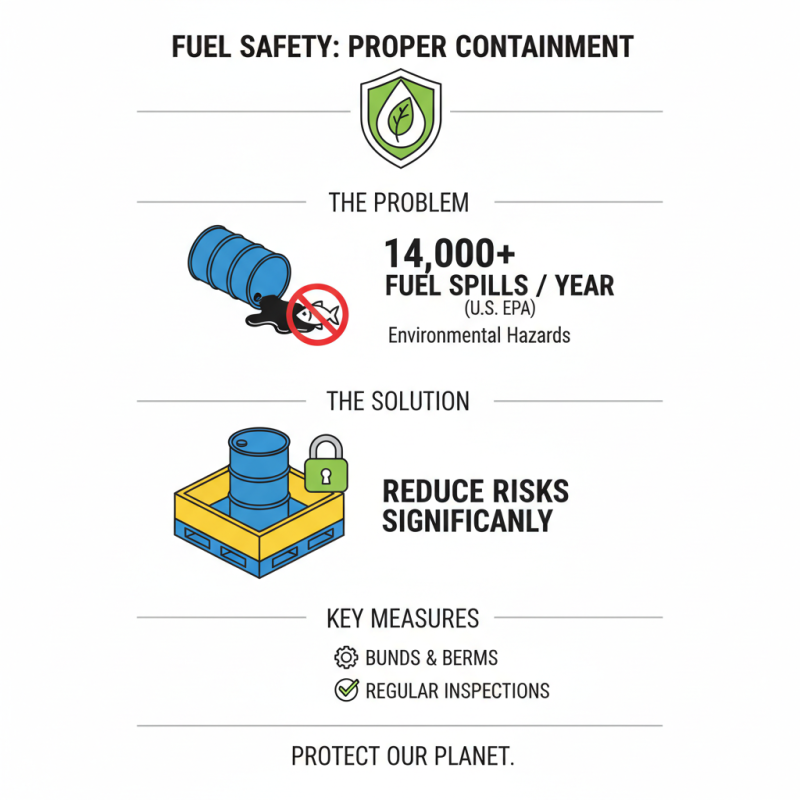
When it comes to fuel safety, implementing proper containment measures is essential. Uncontained fuel can lead to dangerous spills, which pose environmental hazards. According to the Environmental Protection Agency (EPA), approximately 14,000 spills occur each year in the United States alone. Proper containment reduces these risks significantly.

One critical tip for safe fuel storage is to use double-walled tanks. These tanks provide an extra layer of security, preventing leaks from affecting the surrounding area. Additionally, installing spill containment pallets can capture any potential spills during fuel transfers. This helps maintain a safe environment and supports compliance with safety regulations.

Monitoring your storage facilities regularly is vital. Inspections should include checks for rust, corrosion, and signs of wear. Regular maintenance can prevent small issues from escalating into environmental disasters. It's worth noting that data from the National Fire Protection Association (NFPA) indicates that 38% of fuel-related incidents result from inadequate maintenance. Taking proactive measures can significantly enhance fuel safety and reduce potential risks.

Regular Maintenance and Inspection of Fuel Storage Systems

Fuel storage systems require regular maintenance to ensure safety and reliability. This is not just a recommendation; it’s essential. Routine inspections help identify leaks or corrosion that can develop over time. An unnoticed issue can lead to significant problems, including potential hazards.

During inspections, check seals and joints carefully. These small areas often wear out faster than expected. Cleaning fuel tanks should also be a priority. Residue can accumulate, leading to contamination. Store fuel in a well-ventilated area to prevent vapors from building up. Look for signs of wear in hoses and connectors as well.

Taking proactive measures is vital. Lack of maintenance can result in costly repairs and safety risks. Keep an accurate log of inspections and maintenance actions taken. This not only helps track the health of your storage systems but also serves as a reference for future evaluations.

Regular checks offer peace of mind, knowing that your fuel storage is safe and well-maintained.

Following Local Regulations and Safety Standards for Fuel Storage

Proper fuel storage is critical. Following local regulations ensures safety and minimizes risks. Each region has guidelines that dictate fuel capacity, container standards, and security measures. Ignoring these regulations can lead to accidents or legal repercussions. The National Fire Protection Association (NFPA) states that improper storage can cause 25% of fuel-related incidents.

Adhering to safety standards is equally vital. Regular training for employees about these regulations is essential. A report by the U.S. Environmental Protection Agency indicates that proper training can reduce spills by up to 30%. Proper labeling of fuel storage containers also helps. Color-coded labels can help identify the type of fuel, thus preventing mix-ups.

Additionally, ensure that your storage location is well-ventilated and away from flammable materials. Periodic inspections are necessary to assess the integrity of storage tanks. Conducting regular drills can prepare staff for emergencies. However, many facilities miss these crucial steps, exposing themselves to risks. Compliance is not just about meeting standards; it safeguards your operations and personnel.

Top 10 Tips for Safe Fuel Storage Solutions