2026 Best Water Supply Tank Options for Your Home Needs?
Choosing the right water supply tank for your home is crucial. It directly impacts your water availability and overall efficiency. In 2026, several innovative options will cater to various needs. A well-suited water supply tank can enhance your daily routines.
Many homeowners face challenges when selecting a water supply tank. The market offers many choices, which can be overwhelming. Factors like size, material, and capacity are essential. Each home has unique requirements. You may find yourself questioning what suits your needs best. An informed decision can lead to long-term benefits.
With expert evaluations, this guide will help you navigate the best options available. Your comfort and sustainability matter. Investing in a reliable water supply tank can save you money and water in the long run. This critical choice reflects your commitment to quality living. Proceed with careful consideration to ensure you make the right investment.
Factors to Consider When Choosing a Water Supply Tank for Your Home
Choosing the right water supply tank for your home is crucial. Many factors should guide your decision. First, consider the size of your household. Larger families need bigger tanks. Think about your daily water usage too. A smaller tank might mean frequent refills, leading to inconvenience.
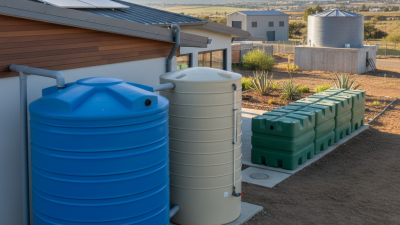
Material is another essential aspect. Tanks can be made of plastic, steel, or fiberglass. Each material has its pros and cons. Plastic tanks are lighter and easy to install, while steel tanks are more durable. However, they can corrode over time.
Installation and maintenance should also be considered. Some tanks require professional installation, which adds to the cost. Maintenance is often overlooked. Neglecting it can lead to unexpected issues down the line. Evaluate your home’s location and the potential for contamination. These considerations help ensure you choose the right water supply tank that meets your needs effectively.
Types of Water Supply Tanks: Pros and Cons of Each Option
When considering water supply tanks for home use, it's important to weigh various options. Each type has its pros and cons. For instance, plastic tanks are lightweight and resistant to corrosion. However, they might not handle extreme temperatures well. Metal tanks, on the other hand, are durable and can last a long time. But they are prone to rust if not properly treated.
Concrete tanks are another viable choice. They are strong and can support underground installation. Yet, they require a more complicated installation process and are typically more expensive. Each option serves different needs and budgets.
Tips: Always assess the space available for your tank. Size and location can greatly affect your choices. Regular maintenance helps prolong the life of any tank. For example, check for leaks and clean the tank periodically. Reflect on how much water you truly need. Overestimating can lead to unnecessary expenses.
Sizing Your Water Supply Tank: How to Determine the Right Capacity
When selecting the right water supply tank, size is crucial. To choose the proper capacity, assess your household’s daily water consumption. Consider factors like the number of residents and peak usage times. For example, if you live with four people, a tank with a capacity of 500 to 1,000 gallons may be suitable. This range supports daily needs and allows for occasional spikes in demand.
Next, think about the usage patterns. If your household has multiple bathrooms, kitchen appliances, and irrigation systems, you'll need more storage. Additionally, evaluate your local climate. In areas with dry seasons, extra capacity can help maintain a steady supply. On the other hand, too large a tank may lead to stagnant water issues. It's a balancing act to ensure reliability without compromising water quality.
Monitoring your needs over time can help refine your choice. Keeping track of changes in household size or usage can prevent waste. Remember, an adequate water supply tank is vital, yet finding the perfect fit requires thoughtful consideration.
Installation Guidelines for Water Supply Tanks: Essential Steps
When installing a water supply tank, careful planning is crucial. Many homes can benefit from an adequately sized tank. According to industry reports, a household typically requires around 50 to 100 gallons of storage for daily needs. Assess your usage patterns to determine the right capacity. Ensure that your chosen location allows for easy access, maintenance, and breathable space.
In addition to site selection, focus on leveling the ground. An unlevel surface can lead to structural issues over time. Experienced installers recommend using compacted gravel for stabilization. This material provides a solid base while allowing for drainage. Regular checks for leaks and corrosion are vital. Neglecting these can lead to costly repairs or water contamination.
Tip: Always consult local building codes before installation. Some regions have specific requirements regarding tank positioning or materials used. Understand these rules to avoid future compliance issues. Another essential point is water filtration. Proper filtration significantly enhances the quality of stored water. Regularly replacing filters ensures safety and taste.
Maintenance Tips to Extend the Life of Your Water Supply Tank
Maintaining your water supply tank is crucial for longevity. Regular cleaning can prevent sediment buildup. A study by the Water Quality Association indicates that sediment accumulation can reduce efficiency by up to 30%. Clean tanks help ensure better water quality.
Inspecting the tank’s structure should be routine. Look for any signs of rust or corrosion. Early detection can avoid costly repairs or replacements. The National Association of Plumbing Contractors states that fixing minor leaks when they appear can save up to 10% on water bills.
Temperature control also matters. Keeping water at optimal levels reduces stress on the tank. The ideal temperature range is between 50°F and 60°F. If temperatures drop too low, it can lead to frozen pipes. Maintaining these small details enhances the tank's lifespan significantly. Neglecting them can lead to bigger problems down the line.
2026 Best Water Supply Tank Options for Your Home Needs
This chart compares the average lifespan of different types of water supply tanks suitable for home needs. Understanding these options can help you select the best tank for your requirements and assist in planning for maintenance to extend the tank's life.