Essential Tips for Choosing Steel Water Storage Tanks?
Choosing the right steel water storage tanks is crucial for various industries. These tanks are vital for ensuring safe and reliable water supply. According to a recent report by the Water Storage Association, the use of steel tanks can increase water quality and reduce leakage rates by up to 30%. With the growing demand for efficient water solutions, making an informed choice is more important than ever.
Expert John Smith, a well-known figure in the water storage industry, states, "Selecting the right tank type can significantly impact water safety and management." His insights underscore the importance of understanding tank specifications, materials, and installation processes.
When considering steel water storage tanks, it's essential to assess your specific requirements. For instance, the tank's capacity, environment, and maintenance needs play a key role in your selection. While steel tanks are durable, they may require occasional maintenance to prevent rust and corrosion. Thus, weighing the advantages and challenges is vital for optimal water management.
Understanding the Importance of Steel Water Storage Tanks
Steel water storage tanks play a critical role in various industries. They ensure safe and reliable access to water. According to the Water Research Foundation, roughly 20% of the water supply in urban areas comes from stored water. This highlights the importance of efficient storage solutions in municipal systems.
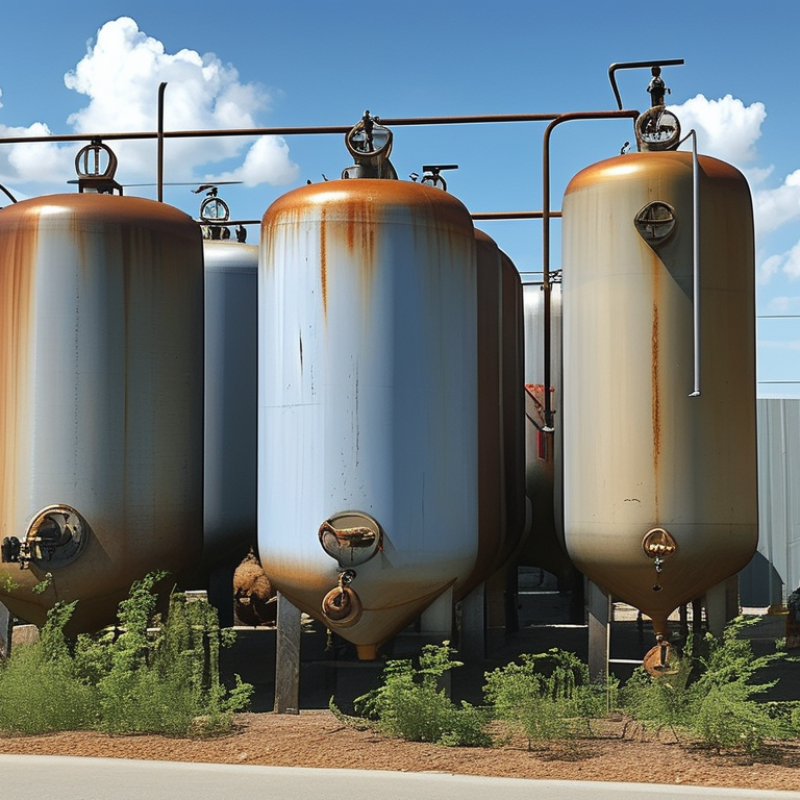
Choosing the right steel tank can impact water quality and safety. Steel tanks provide durability and resistance to weather conditions. A study by the American Water Works Association states that corrosion can reduce a tank's lifespan significantly. Regular maintenance is necessary to extend their usability. Inspecting the interior and exterior for corrosion can help prevent costly repairs and replacements.
The ideal tank design depends on several factors. Capacity, location, and intended use all matter. For instance, a tank in a coastal region needs specialized coatings to resist saltwater corrosion. These considerations can enhance performance but also raise costs. Ultimately, careful planning can lead to better resource management and ensure a steady water supply.
Essential Tips for Choosing Steel Water Storage Tanks
| Dimension |
Importance |
Material Quality |
Maintenance Requirements |
Cost Considerations |
| Capacity (Liters) |
Ensures adequate supply for usage |
High corrosion resistance |
Regular inspections needed |
Initial investment vs. long-term savings |
| Shape (Cylindrical/Spherical) |
Affects space utilization and stability |
Complies with industry standards |
Periodic cleaning required |
Compare prices from multiple suppliers |
| Installation Location |
Influences accessibility and usability |
Durability under environmental conditions |
Seasonal maintenance checks |
Evaluate total cost of ownership |
| Regulatory Compliance |
Adhering to local laws and guidelines |
Environmentally friendly options |
Documented maintenance records |
Consider financing options |
Factors to Consider When Selecting Steel Water Storage Tanks
When selecting steel water storage tanks, there are several important factors to consider. The tank's capacity is crucial. Ensure it meets your specific water storage needs. Too small a tank could lead to shortages. Meanwhile, an oversized tank may waste resources and space. Think about your current and future needs, as growth often requires adjustments.
Another key consideration is the tank's design and material quality. Steel tanks must be resistant to corrosion and other environmental factors. Look for tanks with protective coatings. This can significantly extend their lifespan. Consider local climate conditions as well. In areas with extreme temperatures, temperature-resistant materials may be necessary.
Cost is always a factor. However, prioritize quality over price. A cheaper tank may lead to higher maintenance costs and replacements. Research the reputation of your suppliers. Seek reviews and testimonials from past customers. Reliable sources can guide you in making an informed choice. Reflecting on these aspects helps ensure a durable and efficient water storage solution.
Types of Steel Water Storage Tanks and Their Applications
When selecting steel water storage tanks, understanding their types and applications is crucial. There are several varieties, including corrugated, welded, and bolted tanks. Corrugated tanks are often used for underground installations. They provide excellent durability and resistance to corrosion. Welded tanks offer a seamless design, ideal for above-ground storage. They can withstand extreme weather conditions and require careful installation. Bolted tanks allow for easy assembly and disassembly, making them perfect for temporary or mobile needs.
Each type of tank has specific applications. Corrugated tanks are common in agricultural settings for irrigation. In residential areas, welded tanks are favored for their reliability. They can often hold large capacities of water, essential during droughts. Bolted tanks are versatile, serving industries that need flexibility and quick deployment. However, choosing the wrong type can lead to issues. A tank that’s too small may not suffice during peak use. Alternatively, an overly large tank can lead to unnecessary costs and maintenance challenges.
Reflecting on these factors is essential. Identifying the right tank type ensures effective water storage. Consider the specific needs of your location and usage. This approach enhances reliability and extends the tank's lifespan. Making a well-informed choice matters greatly in the long run.
Maintenance Tips for Longevity of Steel Water Storage Tanks
When it comes to maintaining steel water storage tanks, regular inspection is crucial. Over time, rust and corrosion can develop. Inspect the tank's surface regularly for any signs of wear. This helps identify problems early, preventing costly repairs later.
Cleaning the tank is another important aspect. Be sure to remove sediment and debris. This not only enhances water quality but also extends the tank's life. Use appropriate cleaning agents to avoid causing damage to the steel.
Consider applying a protective coating after cleaning. A good coating can safeguard against corrosion. Additionally, ensure that fittings and valves are properly maintained. Check for leaks periodically. These small steps can significantly improve the longevity of your steel water storage tank.
Cost Considerations and Budgeting for Steel Water Storage Tanks
When planning to invest in steel water storage tanks, budgeting is crucial. The cost of these tanks varies significantly based on size, capacity, and specific features. Begin by assessing your water storage needs. This helps in estimating the tank size and capacity required. It’s also wise to consider the long-term operational costs. Maintenance and repair expenses can add up over time.
Research the structural requirements for installation. These can vary based on location and environmental factors, influencing overall costs. Always factor in potential site preparation costs, like leveling the ground or installing supports. This could influence your budget significantly. Getting quotes from multiple suppliers can provide a clearer financial picture.
Choosing the right materials and coatings can also impact costs. Investing in high-quality materials now may save you from future expenses due to corrosion or damage. Evaluate the expected lifespan of the tank against the initial investment. This helps in making an informed decision that aligns with your budget. Keep in mind potential price changes due to market fluctuations. Build a contingency in your budget to handle unforeseen expenses.