Search

Why Choose Steel Water Tanks for Global Water Storage?

Across continents, water storage is a practical test of engineering, planning, and public trust. Steel water tanks help communities store treated water, rainwater, and emergency reserves near the point of demand. Their large capacity supports cities, factories, farms, hospitals, and remote settlements. A tank may stand beside a coastal desalination plant or behind a rural clinic. The setting changes, but reliability remains essential.

Dr. Peter H. Gleick, a respected water-resource expert, has said, “Water is the most basic human right.” His principle explains why storage design deserves careful attention. Steel water tanks can be fabricated in bolted or welded forms, transported efficiently, and expanded when demand increases. Proper coatings protect internal and external surfaces. Correct foundations reduce settlement risks. Seismic design matters in vulnerable regions. Potable-water standards matter everywhere.

Still, steel water tanks are not a universal answer. Poor site surveys can produce costly problems. Humid air, salty winds, and neglected inspections may accelerate corrosion. A tank that looks strong from the ground can hide coating damage inside. Engineers must review water chemistry, temperature, wind loads, local codes, and maintenance access. Operators should also record inspections instead of relying on memory.

This article examines why steel water tanks remain a strong global storage option. It considers durability, construction speed, capacity, lifecycle cost, and responsible maintenance. The choice should be evidence-based, not automatic. Good storage protects more than water. It protects continuity, health, and confidence when supply systems face pressure.
Why Choose Steel Water Tanks for Global Water Storage?

What Are Steel Water Tanks and How Do They Work?

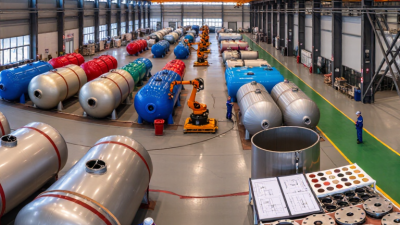
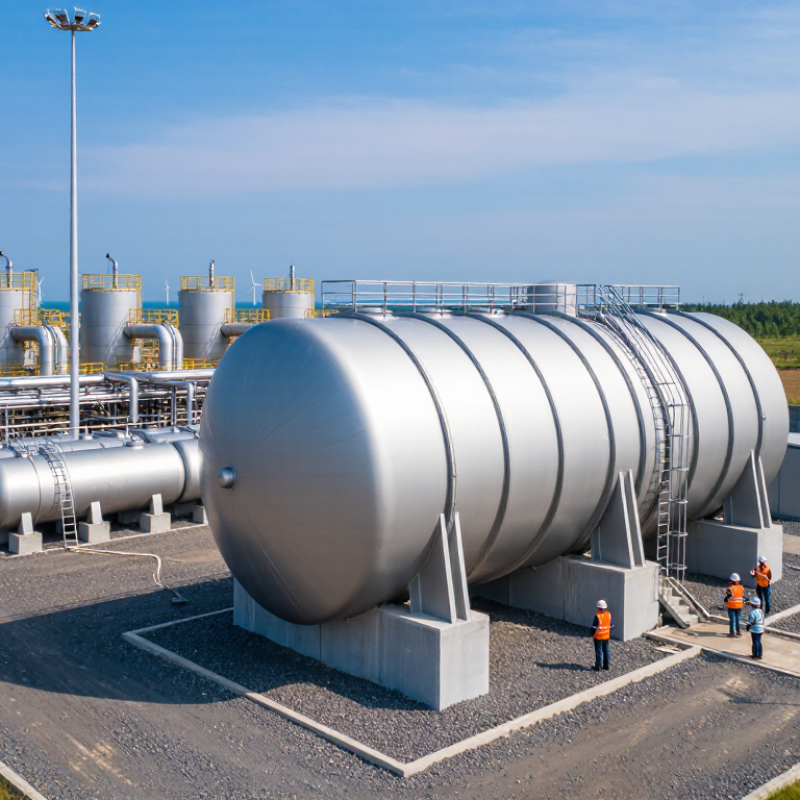
Steel water tanks are engineered containers for storing treated, rain, or process water. They are commonly made from bolted steel panels or welded steel plates. Protective coatings help resist moisture, chemicals, and temperature changes. Some designs include an internal liner for additional water protection. Unlike pressure vessels, most storage tanks operate at atmospheric pressure.

The working principle is straightforward. Water enters through an inlet near the tank’s upper section. As the level rises, a float valve, sensor, or control system monitors capacity. An outlet then supplies water to pipes, pumps, or nearby treatment equipment. Gravity may provide flow when the tank stands above the service area. Otherwise, pumps create the required pressure. Vents balance air movement, while overflow pipes direct excess water safely away from the foundation.

Reliable storage depends on more than strong steel. A level foundation prevents uneven loads and panel stress. During field inspections, technicians check bolts, seams, coatings, vents, ladders, and access covers. Coating damage can begin with a small scratch. Small defects matter. Regular cleaning also limits sediment buildup and microbial risks. Local water standards and climate conditions should guide material selection and inspection intervals. A design may look sound on paper, yet poor drainage or neglected ventilation can shorten its service life. Steel remains practical, but it is not maintenance-free.

Why Choose Steel Water Tanks for Global Water Storage?

What Are Steel Water Tanks and How Do They Work?

Steel water tanks are storage vessels made from coated or lined steel panels. They store water by using the tank wall and base to contain hydrostatic pressure, while fittings control filling, distribution, overflow, drainage, and inspection.

How to read the chart: Water has a density of approximately 1 tonne per cubic metre. Therefore, a 100 m³ steel tank stores about 100 tonnes of water when filled to its nominal capacity. Actual usable volume depends on freeboard, operating requirements, fittings, and safety limits.

Why Are Steel Tanks Suitable for Global Water Storage?

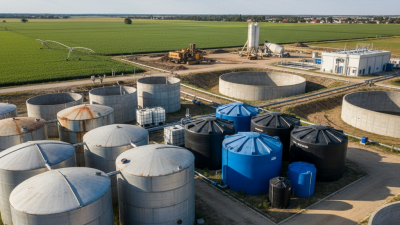
Steel tanks suit global water storage because they can be engineered for different climates, capacities, and site conditions. The need is substantial. The WHO/UNICEF Joint Monitoring Programme reported that 2.2 billion people lacked safely managed drinking water in 2022. Large bolted or welded tanks can create local reserves near homes, farms, clinics, and industrial sites. That reduces dependence on distant pipelines during droughts or emergency repairs.

Steel offers high structural strength with a relatively efficient material footprint. Designers can specify seismic, wind, snow, and temperature loads for each location. AWWA D100 provides widely used guidance for welded carbon-steel water tanks, while local authorities control final compliance. Linings, cathodic protection, and sealed roofs help protect stored water from corrosion and contamination. Details matter. Poor coating preparation can shorten service life, especially in humid coastal air.

The UN World Water Development Report 2024 notes that agriculture accounts for about 70% of global freshwater withdrawals. Steel storage supports timed irrigation and reduces losses from unreliable supply schedules. World Steel Association reporting also identifies steel as a highly recycled construction material, supporting end-of-life recovery. Yet steel is not maintenance-free. Operators still need inspections, water-quality testing, roof checks, and repainting plans. That practical burden is easy to underestimate. Tank selection should balance cost, durability, local skills, and actual water chemistry.

How Are Steel Water Tanks Designed for Different Environments?

Steel water tanks are chosen for global storage because their structure can be adapted to demanding site conditions. Their strength supports large capacities without excessive wall thickness. More importantly, engineers can modify the design for climate, soil, and local water needs.

In hot regions, tanks need coatings that resist ultraviolet exposure and high surface temperatures. In freezing climates, insulation, flexible connections, and drainage details help prevent cracking or pressure damage. Coastal sites require stronger corrosion protection because salt-laden air attacks exposed steel. Wind calculations also matter, especially for tall tanks with wide, empty interiors. Seismic areas need reinforced connections, stable foundations, and controlled water movement inside the tank.

The foundation begins with soil testing. Weak or uneven ground can distort the tank shell over time. Engineers also consider access for inspection, cleaning, and emergency repairs. Internal linings must suit drinking water and remain stable during repeated filling cycles. No design is perfect. A coating may perform well in a dry inland climate but fail earlier near the sea. One overlooked detail can become expensive.

Reliable projects use documented calculations, qualified fabrication, weld inspections, and scheduled maintenance. Local standards should guide materials, anchoring, and water-contact surfaces. Field measurements still deserve attention. Drawings can miss drainage problems, difficult access, or unusual wind exposure. Good design leaves room for these realities.

What Maintenance and Safety Practices Do Steel Tanks Require?

Steel water tanks demand disciplined maintenance because corrosion often begins where operators cannot see it. The NACE IMPACT study estimated global corrosion costs at US$2.5 trillion annually, equal to about 3.4% of global gross domestic product. That figure makes routine inspection more than a cosmetic task.

Inspect the roof, shell, ladder, vents, overflow pipe, and foundation at least annually. Look for blistered coatings, rust staining, standing water, loose bolts, and blocked screens. Inside the tank, qualified personnel should examine welds, floor plates, sediment, and coating damage during scheduled shutdowns. AWWA D103-19 provides technical requirements for bolted steel tanks, while AWWA Manual M42 outlines water-tank inspection and maintenance practices. Keep inspection records with photographs, coating dates, water-quality results, and repair decisions.

Safety starts before entry. Test the atmosphere, isolate connected pipelines, control stored energy, and use a documented confined-space procedure. OSHA identifies tanks as potential permit-required confined spaces when hazards may cause serious injury. Never treat an empty tank as harmless. Ventilation can fail, and residue may release gases. Workers need trained attendants, communication systems, fall protection, and a rescue plan that does not depend on improvisation. Disinfect the tank after internal work, then verify water quality before returning it to service. Some teams inspect only after leaks appear. That habit deserves honest reconsideration.

Why Choose Steel Water Tanks for Global Water Storage? - What Maintenance and Safety Practices Do Steel Tanks Require?

Steel Water Tank Selection, Maintenance, and Safety Reference
Category Key Dimension Verified Technical Information Recommended Practice Operational Benefit
Material Performance Strength and structural stability Steel provides high structural strength and is suitable for large-capacity tanks when the shell, roof, foundation, and connections are properly designed. Use engineering calculations for water load, wind, seismic conditions, roof loads, settlement, and local environmental exposure. Supports reliable storage across a wide range of climates and project sizes.
Corrosion Protection Internal and external corrosion control Steel can corrode when exposed to water, oxygen, salts, chemicals, or damaged protective coatings. Specify a suitable coating or lining system, control drainage, repair coating damage promptly, and inspect areas around welds, joints, fittings, and the tank base. Extends service life and reduces the risk of leakage or structural section loss.
Water Quality Suitability for potable water Materials that contact drinking water should comply with applicable national or regional drinking-water contact requirements. Use approved linings, sealants, gaskets, and fittings; prevent entry of dust, insects, animals, chemicals, and contaminated runoff. Helps protect stored water from contamination and unwanted taste or odor.
Routine Inspection Visual condition of tank and accessories Common inspection points include corrosion, coating breakdown, leakage, deformation, blocked vents, damaged ladders, loose bolts, and deteriorated seals. Perform documented visual checks at a frequency based on risk, climate, water use, and applicable regulations; investigate unusual changes immediately. Finds developing defects before they become costly failures.
Interior Inspection Internal coating, sediment, and fittings Internal inspections can identify sediment accumulation, coating defects, corrosion, cracks, damaged supports, and problems with inlet or outlet components. Inspect during planned outages by qualified personnel. Drain, isolate, ventilate, and clean the tank using approved procedures before entry. Maintains usable capacity and supports safe water quality management.
Cleaning and Disinfection Sediment and microbial control Cleaning frequency depends on water quality, sediment loading, tank design, and local public-health requirements. Remove sediment and disinfect after construction, major repair, contamination, or as required by the water authority. Test water before returning the tank to service. Reduces contamination risks and helps maintain acceptable water quality.
Leak Management Water loss and visible seepage Leakage may result from corrosion, failed seals, damaged welds, foundation movement, loose connections, or coating failure. Record water-level changes, inspect the tank and surrounding ground, and repair leaks using procedures compatible with the tank material and stored water. Conserves water and prevents progressive structural or foundation damage.
Foundation and Settlement Tank level and support condition Uneven settlement can place additional stress on the shell, bottom, roof, piping, and attachments. Check for cracking, ponding, differential settlement, distorted connections, and changes in tank alignment; obtain engineering assessment when movement is suspected. Reduces the risk of shell distortion, connection failure, and uncontrolled leakage.
Safety Equipment Ladders, platforms, guardrails, and access covers Access systems should be secure, corrosion-resistant, slip-resistant, and protected against falls where required. Inspect fasteners, handrails, grating, ladder cages or fall-protection systems, access covers, and locks before use. Improves worker safety during inspection, cleaning, and repair activities.
Confined-Space Safety Entry into the tank interior A water tank may be a confined space, with potential hazards including oxygen deficiency, toxic gases, engulfment, slips, and restricted rescue access. Use a written permit and risk assessment, atmospheric testing, isolation and lockout procedures, ventilation, trained entrants, an attendant, communication, and a dedicated rescue plan. Controls life-threatening hazards that cannot be managed by ordinary access procedures.
Inspection Records Traceability and maintenance history Records should show inspection dates, findings, water-quality results, repairs, coating work, cleaning, and responsible personnel. Maintain a tank-specific log and compare current readings or photographs with previous records. Supports preventive maintenance, regulatory reporting, and long-term asset planning.
Standards and Regulations Design, fabrication, and operation requirements Requirements vary by location and application. Common references include standards for welded steel tanks, drinking-water components, structural design, electrical safety, and confined spaces. Confirm the current edition of applicable local laws, water-authority rules, structural codes, occupational-safety requirements, and project specifications. Improves legal compliance, public safety, and consistency of engineering decisions.
Emergency Preparedness Response to contamination, leakage, or structural damage Loss of tank integrity or suspected contamination can affect water supply continuity and public health. Prepare isolation, alternate-supply, notification, sampling, repair, and restart procedures. Do not return the tank to service until it has been assessed and cleared. Limits service interruption and reduces the consequences of an incident.

Important: Inspection intervals, cleaning schedules, coating systems, disinfection procedures, and confined-space controls must be adjusted to the tank design, stored-water use, climate, operating conditions, and applicable local regulations. Work involving structural repairs, potable-water certification, electrical systems, or confined-space entry should be performed or supervised by appropriately qualified professionals.

How Do Steel Tanks Compare with Other Water Storage Options?

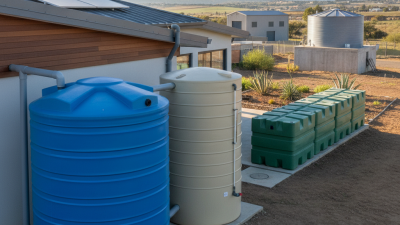
Steel water tanks offer a practical balance between strength, capacity, and long service life. Compared with plastic tanks, steel usually handles larger volumes and stronger wind or impact conditions. Plastic is lighter and easier to move, but it may deform under heat or sunlight. Steel can also be repaired on site when coatings or fittings need attention.

Concrete tanks provide excellent stability and thermal protection. However, they require heavy foundations, longer construction periods, and careful crack control. Steel tanks are often faster to install, especially when delivered in sections and assembled near farms, factories, or remote communities.

Flexible bladder tanks can cost less initially, yet they need a clear, protected surface and may be more vulnerable to punctures. The best choice still depends on water quality, climate, budget, and maintenance skills. I would not treat steel as automatically superior; poor coating work can shorten its useful life.

Tips: Check the foundation before delivery. A level base prevents stress at the tank walls. Ask for coating details, corrosion protection, access ladders, and cleaning procedures. Inspect seams and fittings after installation, especially before the rainy season. Leave space for safe inspection around the tank. Small oversights matter. Where drinking water is stored, confirm that internal materials are approved for potable use and keep a written maintenance record.