Search

What Types of Liquid Storage Tanks Are Available?

Liquid storage tanks serve a simple purpose, but choosing one requires careful attention to the material, site, and operating conditions. A tank holding clean water may need different features from one storing fuel, chemicals, or food ingredients. Capacity matters, yet it is only part of the decision. Temperature, pressure, corrosion risk, access, and cleaning needs can all change the suitable design.

Common options include aboveground and underground tanks, as well as vertical, horizontal, single-wall, and double-wall models. Materials range from steel and stainless steel to polyethylene and fiberglass. Each has trade-offs. Steel can offer strength, while polyethylene resists many forms of corrosion. Neither choice is automatically right for every liquid or location.

As tank-design expert John T. McDonald puts it, “The right tank begins with the liquid it must safely contain.” This is an editorially composed principle, not a verified quotation from a named source; a published expert quote should be confirmed before use. The idea remains useful: identify the stored liquid and its conditions before comparing tank types. For example, a compact polyethylene tank may suit a small indoor water system, while a large outdoor installation may call for a different material, foundation, and protective features. Details matter.

This guide introduces the main types of liquid storage tanks and explains where each may fit. It also considers practical limits, including space, maintenance, and environmental exposure. No tank is perfect. A careful comparison can help narrow the options and reveal what still needs expert review.
What Types of Liquid Storage Tanks Are Available?

Liquid Storage Tanks: Purpose and Basic Classification

Liquid Storage Tanks: Purpose and Basic Classification

Liquid storage tanks hold water, chemicals, fuels, food ingredients, and process liquids safely between use stages. Their main purpose is simple: protect the liquid, workers, and surrounding equipment. Tank selection depends on liquid properties, storage volume, temperature, pressure, and site conditions. A tank for clean water may need different protection than one handling corrosive fluid. Material compatibility matters greatly. Steel, stainless steel, plastic, and reinforced composite tanks each have practical advantages and limitations.

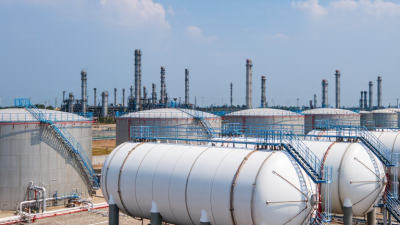
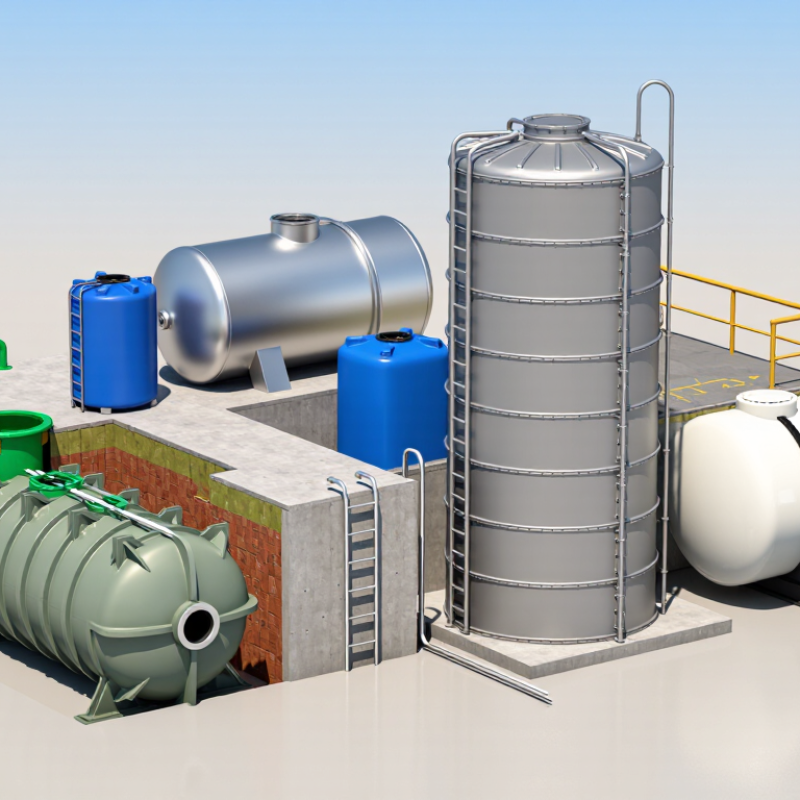
Tanks are commonly classified by installation, shape, and operating conditions. Above-ground tanks allow easier inspection and maintenance. Underground tanks save surface space but require careful leak detection and environmental protection. Vertical cylindrical tanks suit large capacities, while horizontal tanks work well in smaller facilities. Atmospheric tanks store liquids near normal air pressure. Pressurized tanks require stronger construction and controlled safety systems. Flexible tanks can support temporary or irregular storage, although they may need extra protection from sharp surfaces and weather. Classification is not always perfect. Real sites often combine several categories.

Tips: Check the liquid’s temperature, density, and chemical compatibility before choosing a tank. Inspect seams, valves, vents, and foundations regularly. Keep clear access around the tank. Label connections clearly. Small oversights can become expensive problems. A written inspection record also helps maintenance teams notice gradual changes, even when the system appears normal.

Tank Types by Material and Construction Method

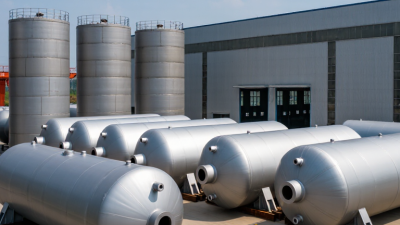
Liquid storage tanks vary by material and construction method. Carbon steel tanks are common for large-volume service because welded or bolted sections provide structural strength. Stainless steel can suit liquids that demand greater corrosion resistance, though compatibility still depends on the liquid and operating conditions. Fiberglass-reinforced plastic and polyethylene tanks are lighter and resist many corrosive liquids, but temperature, ultraviolet exposure, and impact limits must be checked. Rotationally molded polyethylene tanks often arrive as one-piece units; field-assembled steel tanks can accommodate larger capacities.

Material choice has real maintenance consequences. NACE International’s IMPACT study estimated global corrosion costs at US$2.5 trillion in 2013, or 3.4% of global GDP. It also reported that applying existing corrosion-control practices could reduce costs by 15–35%. These figures cover industries broadly, not storage tanks alone, but they show why coatings, inspection access, and liquid compatibility deserve attention. A tank that looks suitable on paper may still fail early if its lining, welds, or supports are poorly matched to service conditions. That assumption can fail.

Tips: Confirm liquid compatibility with the tank material and any lining. Check operating temperature, outdoor exposure, and foundation loads before selecting a construction method. For steel tanks, plan routine coating and weld inspections; for plastics, inspect for distortion, cracking, and weathering. Shortcuts here are tempting, but often costly.

Liquid Storage Tank Types by Material and Construction

Typical material density varies by tank type. Values are approximate and describe the material itself—not the weight of a finished tank.

Storage Tanks for Water, Chemicals, Fuel, and Other Liquids

What Types of Liquid Storage Tanks Are Available?

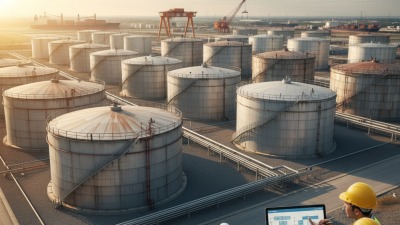
Liquid storage tanks should match the liquid, temperature, pressure, and site conditions. Water tanks commonly use steel, concrete, fiberglass, or polyethylene. They support drinking water, rainwater, wastewater, and fire protection systems. The U.S. Environmental Protection Agency estimates that drinking water infrastructure will require $625 billion over the next 20 years (7th Drinking Water Infrastructure Needs Survey, 2023). That scale makes durability and inspection essential. Small details matter.

Chemical tanks need careful material compatibility. Acids, alkalis, solvents, and oxidizers can attack ordinary steel or weak seals. Engineers may specify coated steel, reinforced plastic, or specialized alloys. Secondary containment helps limit damage after a leak. The United Nations Environment Programme projects global chemical production could double by 2030 (Global Chemicals Outlook II). More chemical capacity may increase storage demand, but bigger is not always safer. Poor ventilation remains a serious weakness.

Fuel tanks require grounding, vapor control, overfill protection, and regular integrity testing. Aboveground tanks simplify inspection, while underground tanks save space but hide corrosion. Other liquids, including edible oils, wastewater, and process fluids, may need insulated or heated tanks. The UN World Water Development Report 2024 identifies agriculture as responsible for roughly 70% of global freshwater withdrawals. Practical tank design should consider cleaning access, temperature changes, and future capacity. No tank choice is perfect.

Key Features of Aboveground and Underground Tank Systems

Aboveground and underground tanks solve different site problems. Aboveground systems are easier to inspect, repair, and expand. Operators can check exterior welds, valves, and supports without excavation. But exposed steel faces weather, impact, and temperature changes. A small leak may also spread across a paved area before staff notice it. Secondary containment and routine visual checks matter.

Underground tanks preserve surface space and shield stored liquids from weather and vehicle traffic. Their trade-off is limited visibility: corrosion or a damaged pipe can stay hidden. The U.S. Environmental Protection Agency’s underground storage tank program reports roughly 544,000 federally regulated USTs nationwide. EPA guidance emphasizes corrosion protection, release detection, and regular walkthroughs. That scale is a reminder that maintenance is not optional. It is easy to underestimate a buried line.

Selection should reflect the liquid, soil conditions, access needs, and inspection plan. Aboveground tanks often suit sites needing frequent access or flexible capacity; buried systems may fit constrained yards. Both can use steel or compatible nonmetallic materials, but chemical compatibility must be verified. Industry guidance from the Steel Tank Institute highlights containment and inspection as key parts of tank-system design. A practical detail: leave clear access around fittings and keep records of inspections. Even a well-designed tank can be awkward to manage when access is an afterthought.

Sources: U.S. EPA, Underground Storage Tanks program and UST technical guidance; Steel Tank Institute, tank-system design guidance.

How to Choose a Suitable Liquid Storage Tank

What Types of Liquid Storage Tanks Are Available? How to Choose a Suitable Liquid Storage Tank

Choosing a tank starts with the liquid, not the catalogue. Identify its chemistry, density, temperature range, and whether it needs protection from light or oxygen. Water, oils, and corrosive process fluids place different demands on tank materials and linings. Check compatibility with a supplier’s technical data, then confirm it under real operating conditions. A small mismatch can become a leak, contamination, or costly downtime.

Next, estimate usable capacity, peak flow, and room for expansion. EPA’s Spill Prevention, Control, and Countermeasure guidance uses 1,320 gallons of aggregate aboveground oil storage as a threshold for certain facilities. This is a regulatory reference, not a recommended tank size. Consider site access, foundation strength, wind or seismic loads, and inspection space. Steel tanks can suit large, durable installations; polyethylene tanks may work for compatible chemicals and smaller capacities. No material is universally best. I’d also question optimistic demand forecasts before sizing: spare capacity is useful, but excess volume can waste space and money.

Tips: Ask for written chemical-compatibility confirmation. Measure the access route, not just the installation pad. Include vents, level indicators, overflow control, and secondary containment in the design review. If the liquid’s properties are uncertain, pause and test a sample. That extra step may feel slow. It is usually cheaper than replacing a tank.

What Types of Liquid Storage Tanks Are Available? – How to Choose a Suitable Liquid Storage Tank
Tank Type Common Materials Typical Applications Suitable Liquid Categories Key Advantages Main Limitations Typical Temperature Considerations Important Selection Factors
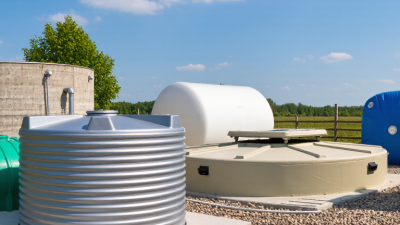
High-Density Polyethylene (HDPE) Tank Rotomolded or fabricated polyethylene Water storage, agricultural chemicals, wastewater collection, process liquids Potable water Fertilizer solutions Many dilute chemicals Lightweight, corrosion-resistant, easy to install, and generally lower maintenance than metal tanks Can deform under excessive heat or vacuum; not suitable for every solvent or high-temperature service Often selected for ambient-temperature service; the allowable temperature depends on resin grade, wall design, and chemical concentration Chemical compatibility, ultraviolet exposure, tank shape, wall thickness, support, and whether the liquid is potable
Polypropylene (PP) Tank Welded or fabricated polypropylene Industrial chemical storage, plating facilities, laboratories, and process systems Acids Alkaline solutions Corrosive process liquids Good resistance to many corrosive chemicals and suitable for applications where metal corrosion is a concern Mechanical strength and outdoor weathering performance can be lower than some metal alternatives; compatibility must be checked for each chemical Can handle higher temperatures than many polyethylene tanks, but the permitted temperature decreases as mechanical loads and chemical concentration increase Exact chemical composition, concentration, operating temperature, weld quality, support design, and ventilation
Fiberglass-Reinforced Plastic (FRP) Tank Glass fibers embedded in a thermoset resin such as vinyl ester or polyester Water treatment, wastewater, chemical processing, scrubber systems, and outdoor storage Water Wastewater Selected acids Salt solutions Good corrosion resistance, high strength-to-weight ratio, and suitability for many large above-ground installations Resin selection is critical; impact, ultraviolet exposure, permeation, and poor support can reduce service life Temperature capability varies significantly with resin type, laminate design, and chemical service Resin compatibility, laminate thickness, structural supports, nozzle loads, wind conditions, and external insulation requirements
Carbon Steel Tank Welded carbon steel with a suitable internal lining or coating when required Fuel storage, fire-water systems, industrial liquids, and large-volume utility storage Diesel fuel Fire water Non-corrosive liquids Selected oils High structural strength, broad size range, and efficient cost for large capacities Prone to corrosion without proper coating, cathodic protection, inspection, and moisture control; heavier than plastic tanks Generally suitable for a wide temperature range when the steel grade, coating, pressure, and thermal expansion are properly evaluated Corrosion allowance, coating system, foundation, leak detection, fire protection, pressure or vacuum conditions, and local regulations
Stainless Steel Tank Commonly austenitic stainless steel such as 304 or 316 grades Food and beverage processing, pharmaceutical production, clean water, and hygienic process storage Potable water Food products Pharmaceutical liquids Selected chemicals Durable, cleanable, hygienic, and resistant to many forms of corrosion; suitable for polished or sanitary designs Higher purchase cost; chloride-containing liquids can cause pitting or stress corrosion under unfavorable conditions Suitable for moderate to elevated temperatures when the grade, welds, seals, and thermal cycling are correctly specified Required hygiene level, chloride concentration, surface finish, clean-in-place requirements, welding quality, and sanitary fittings
Concrete Tank Reinforced concrete, often with a waterproofing system or chemical-resistant lining Municipal water storage, reservoirs, wastewater treatment, and underground or partially buried installations Raw water Potable water Wastewater Fire water Long service life when properly designed, high resistance to wind and impact, and economical for very large fixed volumes Heavy and generally permanent; cracking, water ingress, chemical attack, and difficult repairs must be considered Usually suitable for normal ambient service; thermal movement, freeze-thaw exposure, and heat-producing liquids require special design Soil conditions, groundwater, seismic loads, waterproofing, lining compatibility, access, construction joints, and inspection provisions
Flexible Bladder or Pillow Tank Coated fabric such as PVC, TPU, or reinforced elastomeric fabric Temporary water storage, emergency response, remote sites, rainwater collection, and short-term liquid containment Fresh water Rainwater Selected non-aggressive liquids Rapid deployment, low shipping volume when empty, minimal site preparation, and collapsible storage Vulnerable to puncture, abrasion, sharp objects, and unsuitable chemicals; normally requires a level protected surface Usually intended for moderate ambient conditions; fabric, seams, and liquid temperature limits must be confirmed before use Fabric compatibility, installation surface, ultraviolet protection, anchoring, filling and drainage arrangement, and inspection frequency
Underground Double-Wall Tank Coated steel or reinforced fiberglass with an outer containment wall Buried fuel storage, service stations, industrial facilities, and sites where above-ground space is limited Fuel Diesel Selected petroleum products Saves surface space and provides secondary containment with leak-monitoring potential Installation is complex; excavation, groundwater, corrosion, buoyancy, access, and leak monitoring require careful engineering Typically used at ambient underground temperatures; product temperature, groundwater, and pressure effects must be assessed Double-wall monitoring method, groundwater level, backfill, anchoring, corrosion protection, piping layout, and environmental regulations
Selection note: Before choosing a tank, verify the liquid’s chemical composition and concentration, operating temperature, required capacity, installation location, design life, pressure or vacuum conditions, secondary containment needs, and applicable safety regulations. Material compatibility should be confirmed with the tank manufacturer or a qualified engineer.