How to Choose the Best Steel Storage Tanks for Your Needs?
Choosing the right steel storage tanks is crucial for various industries. According to John Thompson, a leading expert in tank manufacturing, “The effectiveness of your storage solution hinges on informed choices.” Steel storage tanks are vital for storing liquids safely and efficiently. Their durability and design are key factors in making the right selection.
Understanding your specific needs is the first step. Are you storing chemical substances, fuels, or water? Each application has different requirements. Selecting the wrong type can lead to costly issues or safety hazards. Steel storage tanks provide reliability, but not all tanks are created equal.
Moreover, consider the maintenance needs and the environment in which the tanks will operate. Weather conditions and space limitations can affect tank performance. It’s essential to reflect on how these factors impact your choice. Remember, investing time in research today can prevent frustrations tomorrow. Your selection must be a balanced decision between cost, durability, and suitability for your unique circumstances.
Factors to Consider When Selecting Steel Storage Tanks
Choosing the right steel storage tank involves several important factors. Start by identifying your specific requirements. Consider the tank's capacity based on your storage needs. Determine how much liquid or material you need to store and choose a tank that meets that requirement. This helps avoid underutilization or overflow issues.
Material type and thickness are critical. Tanks made with high-quality steel resist corrosion and last longer. A thicker wall can withstand pressure and environmental impacts better. Additionally, think about the tank’s intended location. Is it outdoors or indoors? This can affect the design features you need.
When evaluating options, consider maintenance needs. Regular inspections are vital to ensure safety and efficiency. Some tanks may need special coatings or treatments, which can add to the overall cost. Reflect on your long-term plans. Investing in a durable tank can save money over time, but the upfront costs may be daunting. Balance immediate budget constraints with future requirements for optimal choices.
Factors to Consider When Choosing Steel Storage Tanks
Types of Steel Storage Tanks and Their Specific Use Cases
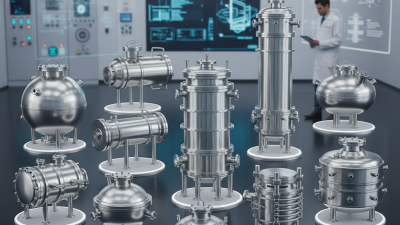
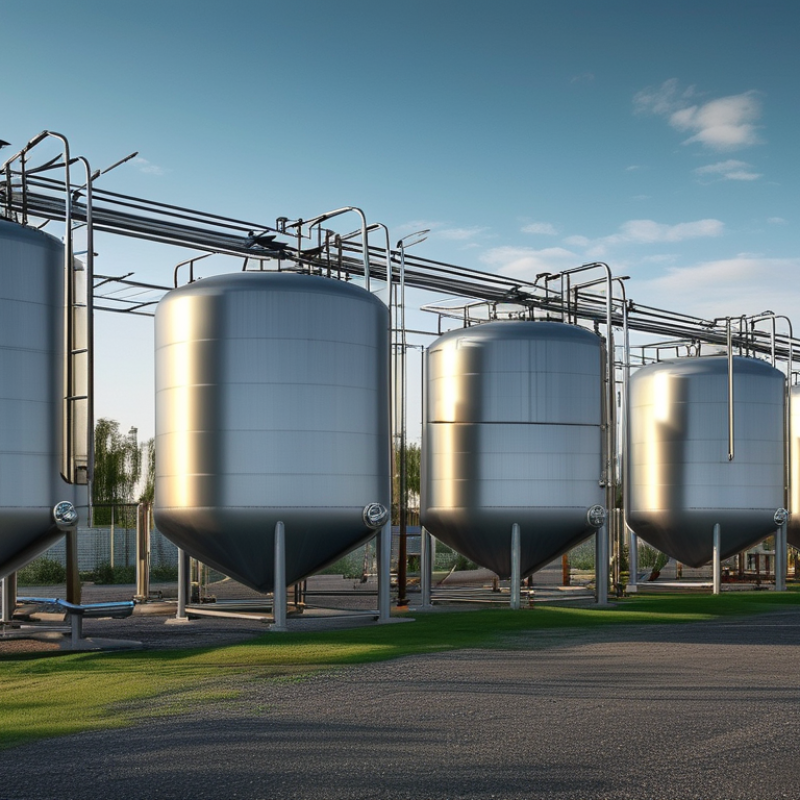
When considering steel storage tanks, it's crucial to understand their various types. Each type serves specific purposes in different industries. A vertical tank, for instance, maximizes space efficiency, making it ideal for areas with limited ground space. It is commonly used for storing water, chemicals, and fuels. The height helps in providing a larger volume without requiring extensive horizontal area.
Horizontal tanks, on the other hand, are typically easier to access for maintenance and may be preferable for smaller operations. They are commonly used in agricultural settings for fuel storage or in industrial facilities for chemical storage. Each design has its pros and cons, making it essential to analyze the intended use and location before making a decision.
Some tanks come equipped with additional features like insulation and double-walled designs. These enhancements improve safety and energy efficiency, yet they can increase costs. Reflecting on your specific needs and budget helps in making a more informed choice. Exploring all possibilities is key to selecting the most effective solution for your storage challenges.
Assessing Capacity and Size Requirements for Your Applications
When selecting steel storage tanks, understanding capacity and size requirements is crucial. Determine the required volume based on your applications—industrial, agricultural, or commercial. According to industry reports, around 30% of operations face inefficiencies due to improper sizing. A tank too small leads to frequent refills, increasing operational costs. Conversely, an oversized tank can waste resources and space.
Consider the available footprint before purchasing. Many facilities overlook the impact of height and diameter on installation. For example, a tank with a larger diameter may not fit in constrained spaces, despite offering a greater capacity. An analysis by the Steel Tank Institute reveals that nearly 25% of steel tanks underperform due to spatial miscalculations.
Reviewing local regulations and safety guidelines is essential. Different applications may have varying compliance needs. Some regions mandate secondary containment for larger tanks, impacting size selection. Ensuring a balance between capacity and compliance can prevent costly adjustments later. This careful assessment allows companies to meet demands while maximizing efficiency.
Evaluating Material Quality and Corrosion Resistance in Tanks
When choosing steel storage tanks, assessing material quality and corrosion resistance is vital. Tanks experiencing harsh environmental conditions need robust materials.
Look for tanks made from high-quality steel, which can better withstand wear over time. The thickness of the steel is also important; thicker walls generally offer improved durability.
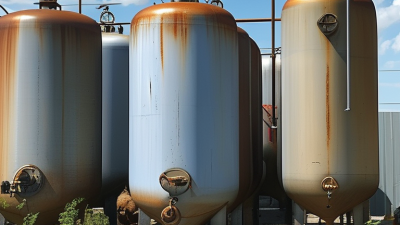
Corrosion can significantly weaken tanks, so consider their protective coatings. Some coatings can resist rust and other forms of degradation. A tank's design should also facilitate drainage to prevent stagnant water, which can lead to corrosion over time. Regular inspections are essential. Even with top-quality materials, wear and tear can occur.
Taking these steps can lead to better choices. Evaluate both the specifications and the manufacturer's experience. Seek out experts or third-party evaluations for additional security. Making informed decisions helps ensure the longevity and functionality of steel storage tanks. Stay diligent in maintenance to enjoy lasting performance.
Cost Analysis and Budgeting for Your Steel Storage Tank Needs
When considering steel storage tanks, understanding cost and budgeting is crucial. The initial investment can be substantial, so it’s essential to evaluate your options carefully. Costs can vary based on size, material quality, and design features. Be prepared for additional expenses such as installation and maintenance. These costs impact your overall budget significantly, so make sure to factor them in early on.
A detailed budget analysis helps in decision-making. Gather quotes from multiple suppliers to compare pricing. Look beyond the purchase price; focus on long-term costs. A cheaper initial cost might lead to more significant maintenance expenses. Establishing a balance between quality and price requires careful planning. Not every need can be perfectly met, especially when trying to stick to a strict budget. Anticipating future needs or potential expansions can also influence your spending. A too-narrow focus on budget might restrict flexibility later on, leading to potential regret. Aim for a well-rounded approach to investment in steel storage tanks.