Search

What Are the Top Types of Water Storage Tanks?

Water storage is no longer a simple matter of placing a large container beside a building. It supports drinking water, firefighting reserves, irrigation, manufacturing, and emergency planning. The WHO and UNICEF Joint Monitoring Programme reported in 2024 that 2.2 billion people lacked safely managed drinking water in 2022. Reliable storage therefore matters, especially where supply interruptions affect homes, farms, and public facilities.

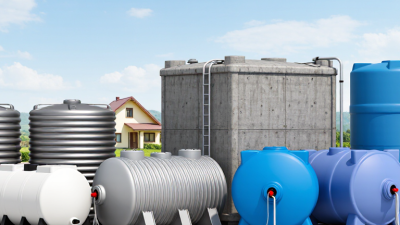
The main tank types include polyethylene, fiberglass, welded steel, bolted steel, concrete, and underground systems. Each material behaves differently under sunlight, soil pressure, temperature changes, and chemical exposure. Polyethylene tanks are lightweight and corrosion-resistant. Steel tanks provide high capacity and structural strength. Concrete tanks suit large, permanent installations. Fiberglass can offer durability with relatively low maintenance. However, no tank is perfect.

That matters.

Professional selection should consider water quality, capacity, installation space, cleaning access, expected service life, and local climate. AWWA standards, including D100 and D103, provide recognized guidance for welded and bolted steel tanks. NSF/ANSI/CAN 61 also addresses materials that contact drinking water. These references help separate tested solutions from attractive but unsupported claims.

Industry experience shows that capacity alone does not guarantee resilience. A 10,000-gallon tank may appear sufficient, yet weak foundations, poor ventilation, or neglected inspection can shorten its useful life. This guide compares the top types of water storage tanks and explains where each option performs best. It also highlights limitations, because practical decisions often require compromise rather than a perfect answer.

What Are the Top Types of Water Storage Tanks?

What Is a Water Storage Tank and Why Is It Used?

A water storage tank is a container that holds water for later use. It helps balance supply, demand, pressure, and emergency needs. In a home, a tank may sit above ground, beside a pump, or under a roof. In agriculture, it can collect rainwater for irrigation. Municipal systems use larger tanks to support peak demand and firefighting reserves.

The need is measurable. The WHO and UNICEF Joint Monitoring Programme reported that 2.2 billion people lacked safely managed drinking water in 2022. Storage cannot solve poor water quality, but it can reduce interruptions when supply is irregular. A properly sized tank can also capture rain during a short storm, then provide water during dry days. Small details matter. A dark, sealed tank limits light exposure and contamination risks.

Common tank types include polyethylene, steel, concrete, and flexible bladder tanks. Each suits different conditions. Polyethylene tanks are lightweight and resist many chemicals. Steel tanks offer structural strength but require careful corrosion protection. Concrete tanks handle large capacities, although installation demands strong foundations. The American Water Works Association’s M42 guidance emphasizes sound design, inspection, and maintenance for steel storage systems. Yet no tank is maintenance-free. Sediment can collect at the bottom, fittings may loosen, and an oversized tank can hold water too long. Engineers should check demand patterns, inlet quality, foundation conditions, overflow routes, and cleaning access before selecting capacity. Temperature matters too. A tank exposed to harsh sunlight may age faster than expected.

What Are the Main Types of Water Storage Tanks?

Water storage tanks come in several main types, and each suits different site conditions.

Polyethylene tanks are lightweight, corrosion-resistant, and simple to install. They work well for homes, farms, and rainwater collection. However, direct sunlight can weaken some plastic tanks over time, so shaded placement or suitable UV protection matters.

Steel tanks provide strong structural support and suit large capacities. Galvanized steel resists rust better than untreated steel, while coated steel needs regular surface inspections.

Concrete tanks are durable and stable underground or above ground. Their weight reduces movement, but cracks can allow contamination or water loss. Fiberglass tanks offer low maintenance and good chemical resistance. They are useful where transport and installation access are limited.

Flexible bladder tanks store water inside a reinforced fabric container. They need a smooth base and careful protection from sharp objects.

In practical installations, I would check the water purpose before choosing a material. Drinking water requires an approved food-contact lining and hygienic fittings. Fire protection, irrigation, and emergency storage may follow different specifications. Tank sizing also depends on daily demand, rainfall, pressure, and refill reliability. A larger tank is not automatically better. It may hold stagnant water when demand is low. No type is perfect. Local climate, soil movement, cleaning access, and inspection habits can change the best choice. Personally, I would leave clear space around every tank for valves, sampling, and maintenance. That detail is easy to overlook.

How Do Water Storage Tanks Differ by Material?

Water storage tanks vary greatly by material, and that choice affects installation, maintenance, and water quality. Polyethylene tanks are lightweight, corrosion resistant, and practical for many residential systems. Their smooth interiors reduce sediment buildup. However, an uneven foundation can distort the tank over time. Dark or poorly protected plastic may also age faster under strong sunlight.

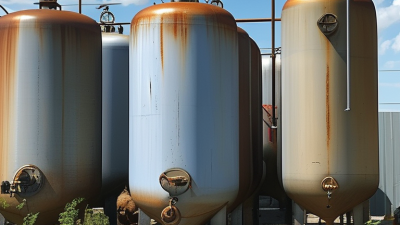
Steel tanks suit larger capacities and demanding sites. They resist impact well when properly coated, but scratches can expose metal to corrosion. Regular checks around seams, fittings, and support points are essential. Fiberglass tanks offer low weight and good chemical resistance. They are useful where access is difficult, although careless handling can create hidden cracks. That happened during one site inspection, where the damage appeared only after filling.

Concrete tanks provide excellent stability and natural temperature buffering, especially when installed underground. They are heavy, require careful structural design, and may develop cracks if the surrounding soil shifts. A suitable lining is often necessary for drinking water applications. I have seen material selection focus too much on purchase price. It should also consider sunlight, soil movement, water chemistry, cleaning access, and the local installation skills. Certification for potable water contact matters, but paperwork cannot replace a level base, secure connections, and routine inspection.
Which Tank Designs Suit Different Water Storage Needs?

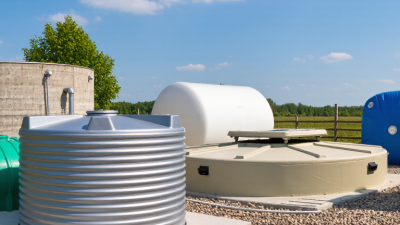
Water storage tank design should follow the water’s purpose, available space, and local conditions. Polyethylene tanks suit homes, gardens, and rainwater collection because they are lightweight and resist corrosion. Their smooth interiors also simplify cleaning. However, dark colors may reduce light exposure and algae growth more effectively than pale ones. This small detail is often overlooked.

Steel tanks provide strong support for larger household, agricultural, or commercial volumes. Corrugated panels can be transported and assembled on site, even where access is limited. They need suitable liners and corrosion protection, especially in humid environments. Concrete tanks work well underground or beside buildings when long-term structural stability matters. They require careful waterproofing and professional inspection because small cracks can become expensive problems.

Flexible bladder tanks fit temporary storage, emergency supply, or sites with irregular ground conditions. They use space efficiently but need protection from sharp objects, heat, and careless installation. For drinking water, select materials approved for potable use and keep the tank covered. A roof, screened inlet, overflow pipe, and safe cleaning access matter as much as capacity. Calculate demand from real use, not guesswork. People often choose the largest tank available, then forget foundation strength and maintenance access. Bigger is not always better. Examine seasonal rainfall, refill frequency, water quality, and future changes before choosing a design.

How Should You Choose and Maintain a Water Storage Tank?

What Are the Top Types of Water Storage Tanks?

How Should You Choose and Maintain a Water Storage Tank?

Water storage tanks commonly use polyethylene, steel, concrete, or flexible bladder materials. Each type suits different conditions. Polyethylene tanks resist corrosion and remain relatively easy to install. Steel tanks offer strength but may need protective coatings against rust. Concrete tanks handle large capacities well, although installation can be expensive and permanent. Flexible tanks work in temporary or space-limited settings, but sharp surfaces may damage them.

Choose a tank by checking water use, available space, climate, and installation access. A household tank may need only a few hundred gallons, while farms require much more. Measure doorways and ground clearance before delivery. The tank should rest on a stable, level base. Uneven ground can create stress and shorten its service life. I once underestimated maintenance access, and cleaning became awkward. That mistake changed how I plan tank placement.

Tips: Inspect the tank every few months. Look for cracks, swelling, rust, leaks, or unusual odors. Keep the lid sealed, but allow approved ventilation where required. Clean the interior according to local health guidance, especially after long storage. Test stored water before drinking it. Replace damaged fittings quickly. Do not ignore small leaks. They rarely remain small. Keep records of inspections, cleaning dates, and repairs. If the tank supplies drinking water, consult a qualified installer and follow applicable safety standards.

What Are the Top Types of Water Storage Tanks?

Typical service life by tank type, assuming suitable installation and routine maintenance

How to choose: Polyethylene tanks are lightweight and corrosion-resistant, steel tanks provide high structural strength, concrete tanks suit large permanent installations, and fiberglass tanks offer durability with relatively low maintenance.

How to maintain: Inspect the tank, fittings, supports, and overflow system regularly; clean and disinfect the interior when needed; repair leaks promptly; and protect exposed tanks from excessive sunlight, freezing temperatures, and contamination.

The values shown are typical service-life estimates for properly selected and maintained tanks. Actual performance depends on water quality, climate, installation, material grade, and usage conditions.